

Vanonpower.com – Calculating LiFePO4 battery capacity requires determining your total daily energy consumption in watt-hours, dividing by the battery’s depth of discharge and system voltage, and then applying a safety factor to ensure reliable power during low-sunlight periods.
Designing an off-grid solar system is a balancing act between energy generation and storage capacity. Many beginners make the mistake of buying batteries based on guesswork rather than data. LiFePO4 (Lithium Iron Phosphate) is the gold standard for off-grid applications due to its long cycle life, safety, and ability to be discharged deeper than traditional lead-acid batteries. To calculate the capacity you actually need, you must move beyond simple assumptions and calculate your specific energy footprint.
Determining Your Daily Energy Consumption
The first step is to audit your power usage. Create a list of every appliance you intend to run on your solar system. For each device, estimate how many hours it will run during a 24-hour cycle. Multiply the wattage of the appliance by the number of hours used to get the watt-hours (Wh) per device. Sum these values to find your total daily consumption.
For example, if you run a 50W refrigerator for 24 hours, that is 1,200Wh. If you use 10W LED lights for 5 hours, that is 50Wh. Your total daily usage would be 1,250Wh. Always add a 20% margin for inverter efficiency losses and phantom loads that are easy to overlook, such as device standby power or charging cables.
The LiFePO4 Advantage and Depth of Discharge (DoD)
One of the primary benefits of LiFePO4 batteries is their high depth of discharge. While lead-acid batteries suffer significant degradation when discharged below 50%, LiFePO4 batteries can safely discharge to 80% or even 90% repeatedly without damaging the cells. This means you can use a smaller battery bank to achieve the same usable power as a much larger lead-acid system.
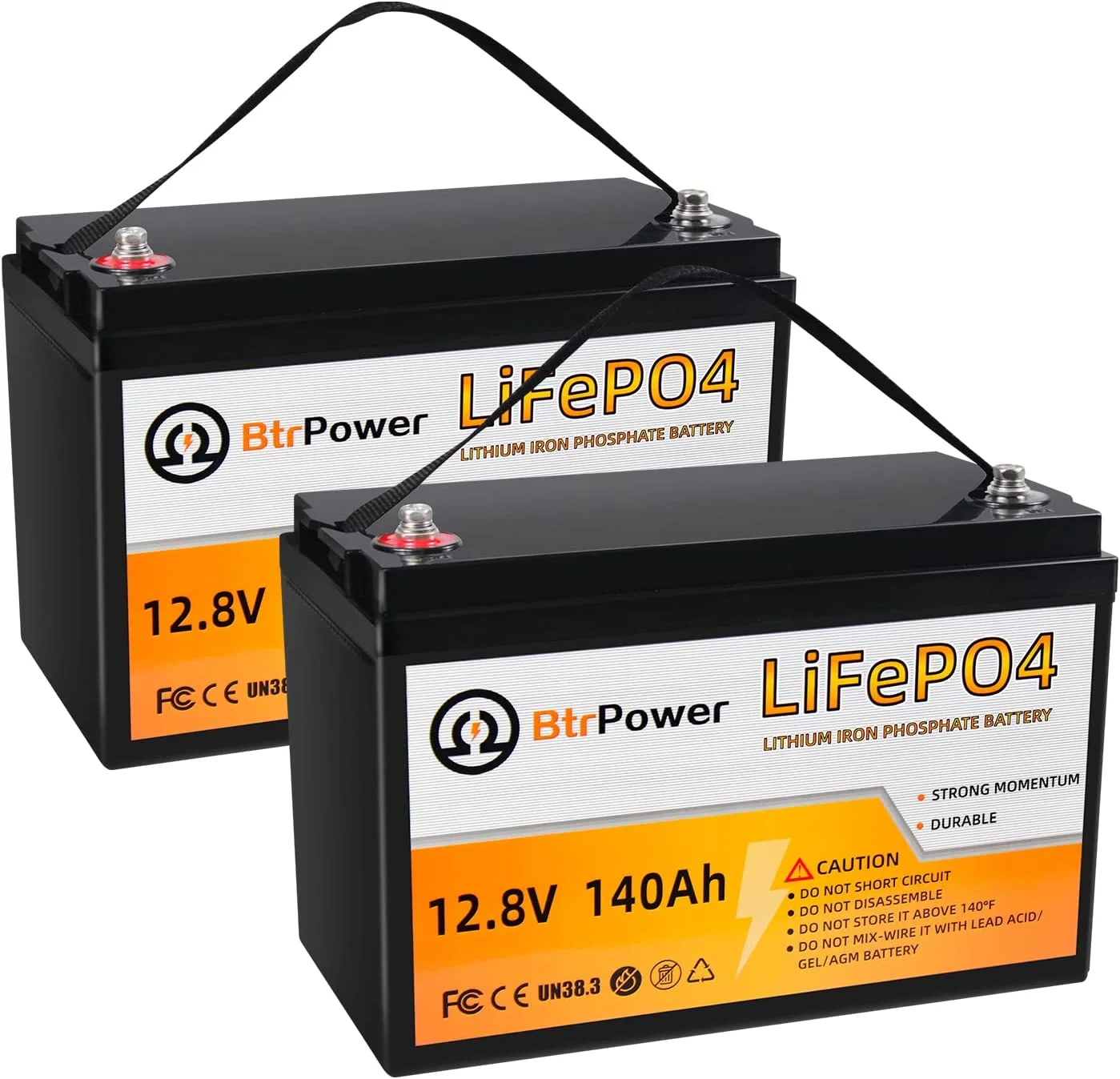
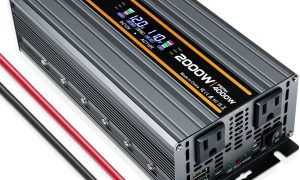
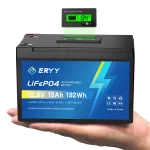
📷 Photo by walmart.com
Read also: Step-by-Step Inverter Bench Test Before Final Van Installation
However, running your batteries to 100% depletion is never recommended for off-grid longevity. Aiming for a consistent 80% DoD is the sweet spot for maximizing the cycle life of your investment. When performing your calculations, divide your total daily energy need by 0.80 to ensure your battery bank is sized to handle your lifestyle without hitting the “low voltage” cutoff point during daily operations.
Step-by-Step Calculation Guide
Follow these steps to arrive at your required capacity in Amp-hours (Ah), which is how most LiFePO4 batteries are sold:
- Calculate your total daily energy consumption in Watt-hours (Wh).
- Add a 20% buffer for system inefficiency and inverter losses.
- Divide the total by your battery system voltage (e.g., 12V, 24V, or 48V).
- Divide that result by your intended Depth of Discharge (e.g., 0.80 for 80%).
- Multiply by your desired “days of autonomy,” which represents how many days you want the system to run without any sun.
Comparison of Battery Bank Sizing Factors
| Factor | Recommendation | Reasoning |
|---|---|---|
| Depth of Discharge (DoD) | 80% (0.8) | Protects cell chemistry and extends lifespan. |
| System Inefficiency | 1.2 (20% loss) | Accounts for inverter heat and wiring resistance. |
| Days of Autonomy | 2 to 3 days | Ensures power during inclement weather or cloudy spells. |
| Temperature Derating | 1.05 | Accounts for capacity loss in extreme cold. |
Common Mistakes to Avoid
The most frequent error in sizing is ignoring “days of autonomy.” Solar energy is intermittent; you cannot assume the sun will shine at full capacity every single day. If you live in a region with frequent overcast weather, you need a larger battery bank to store enough energy to carry you through multiple days of low production. Failing to account for this leads to a dead system the moment a storm rolls in.
Another common mistake is mixing different battery brands or ages in the same bank. Even if the voltage matches, different internal resistances can cause uneven charging and discharging, which will inevitably lead to a premature failure of the entire bank. Always buy your batteries from the same batch and manufacturer to ensure they behave as a single unit.
Temperature and Charging Considerations
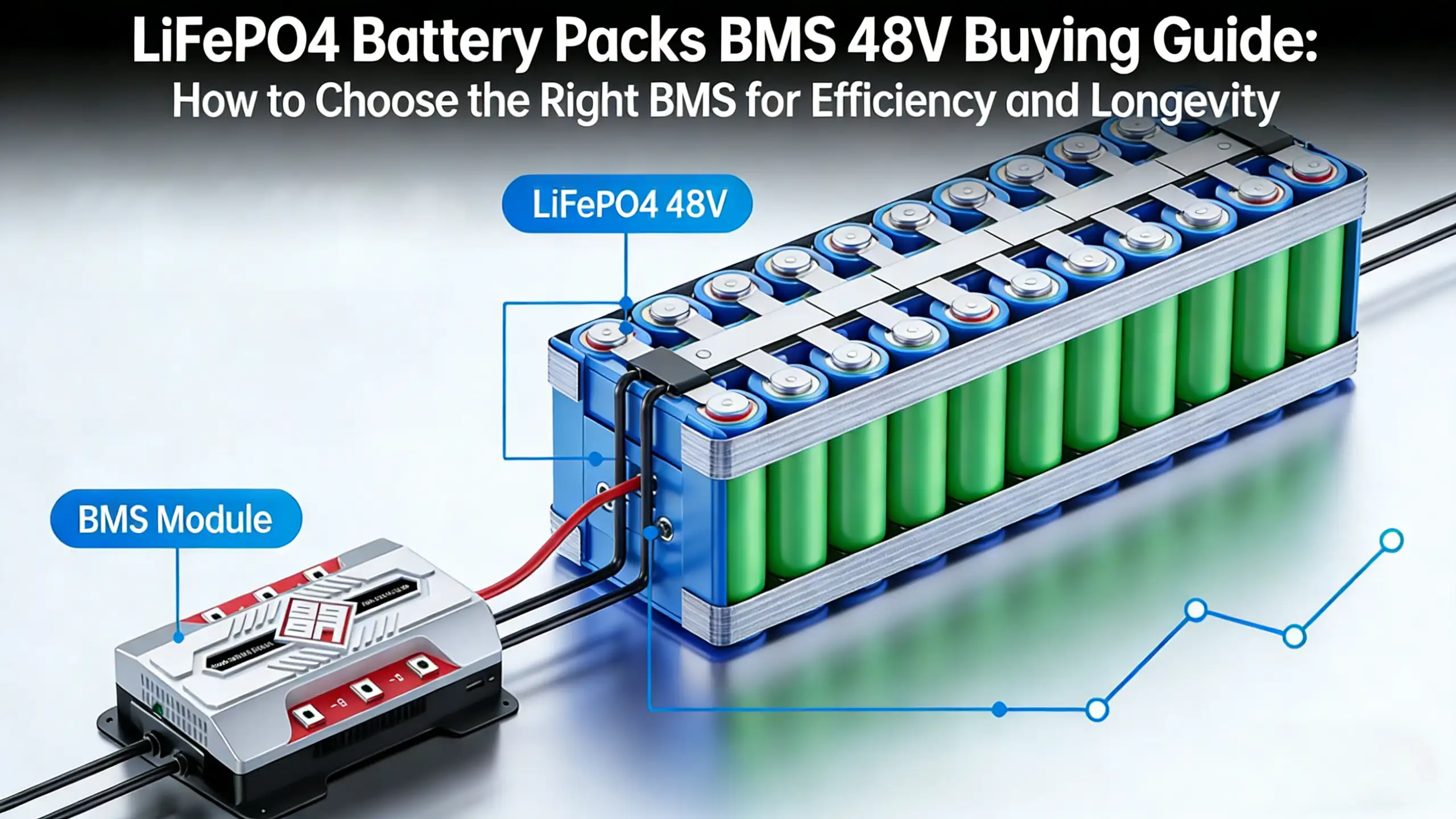
LiFePO4 batteries have strict temperature requirements. Charging them below freezing (0°C) can cause permanent damage to the lithium plating within the cells. If your off-grid system is located in a cold environment, you must factor in the cost of a heating pad or place the batteries in an insulated, temperature-controlled enclosure. Additionally, ensure your charge controller is configured specifically for LiFePO4 profiles to prevent overcharging, which can trigger the internal Battery Management System (BMS) to shut down the system unexpectedly.
Frequently Asked Questions
Q: Can I use a lead-acid charge controller with my LiFePO4 batteries?
A: It is not recommended. LiFePO4 batteries have different charging voltage requirements compared to lead-acid. Using an incorrect profile can lead to undercharging or, worse, damaging the BMS, which shortens the battery’s lifespan.
Q: Why do I need to divide by the system voltage in my calculation?
A: Battery capacity is measured in Amp-hours (Ah), but energy consumption is measured in Watt-hours (Wh). Since Watts = Volts x Amps, dividing your total Watt-hours by your system voltage (12V, 24V, or 48V) converts that energy requirement into the Amp-hours needed for your specific battery configuration.
Q: Does the BMS count as part of the battery capacity?
A: The BMS is a safety and management component, not an energy storage component. It protects the cells from over-voltage, under-voltage, and over-current, but it does not add to the usable capacity of the cells themselves.
By taking the time to calculate your specific needs rather than relying on generic estimates, you ensure a reliable, efficient off-grid power system. Focus on your actual load, respect the 80% DoD limit, and always plan for at least two days of autonomy to weather any unexpected environmental conditions.
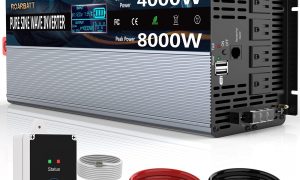
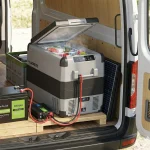
📷 Photo by ayaatech.com