

Vanonpower.com – The correct fuse size between your solar panels and charge controller is typically determined by multiplying the solar panel’s short-circuit current (Isc) by a safety factor of 1.25, ensuring the fuse rating is slightly higher than the maximum current output but lower than the wire’s ampacity.
Understanding the Importance of Solar Fusing
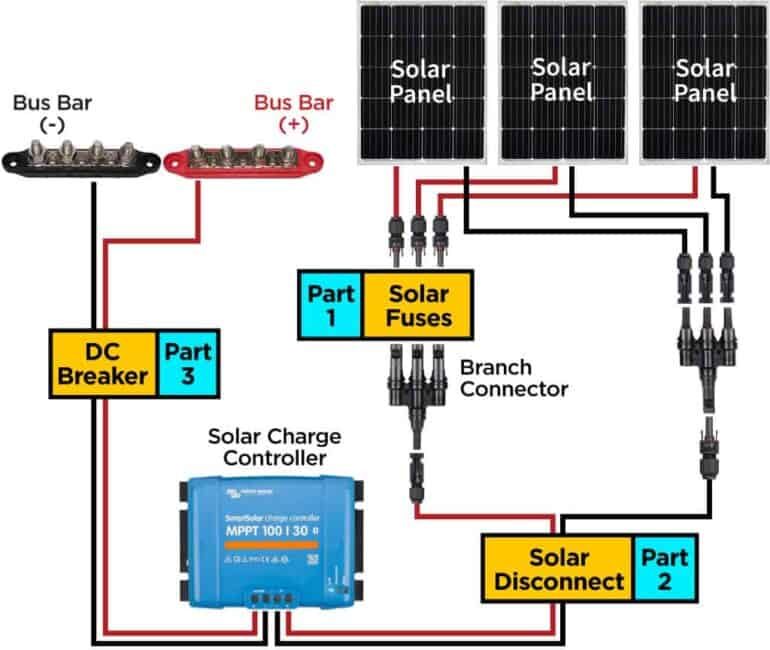
Installing a fuse between your solar array and the charge controller is not merely a recommendation; it is a critical safety requirement. Solar panels can generate high levels of current, especially during peak sunlight hours. If a short circuit occurs or a wiring fault develops, the wires could overheat, melt their insulation, and potentially spark a fire. A fuse acts as a sacrificial device that breaks the circuit when current exceeds safe limits, protecting both your charge controller and your expensive solar panels from irreversible damage.
How to Calculate the Correct Fuse Size
To calculate the required fuse size, you must first locate the Short-Circuit Current (Isc) rating on the back of your solar panel or in the manufacturer’s datasheet. You never want to fuse based on the operating current (Imp), as the short-circuit current is the maximum current the panel can ever produce under ideal conditions. The industry standard calculation involves multiplying the Isc by 1.25 to account for the continuous nature of solar energy production.
For example, if you have a single 100W panel with an Isc of 6.0 Amps, the calculation would be 6.0 x 1.25 = 7.5 Amps. In this scenario, you would select the next standard fuse size up, which is typically a 10-Amp fuse. This ensures that the fuse does not “nuisance trip” during brief periods of high irradiance while still providing adequate protection for the cabling.
Common Fuse Ratings and System Configurations
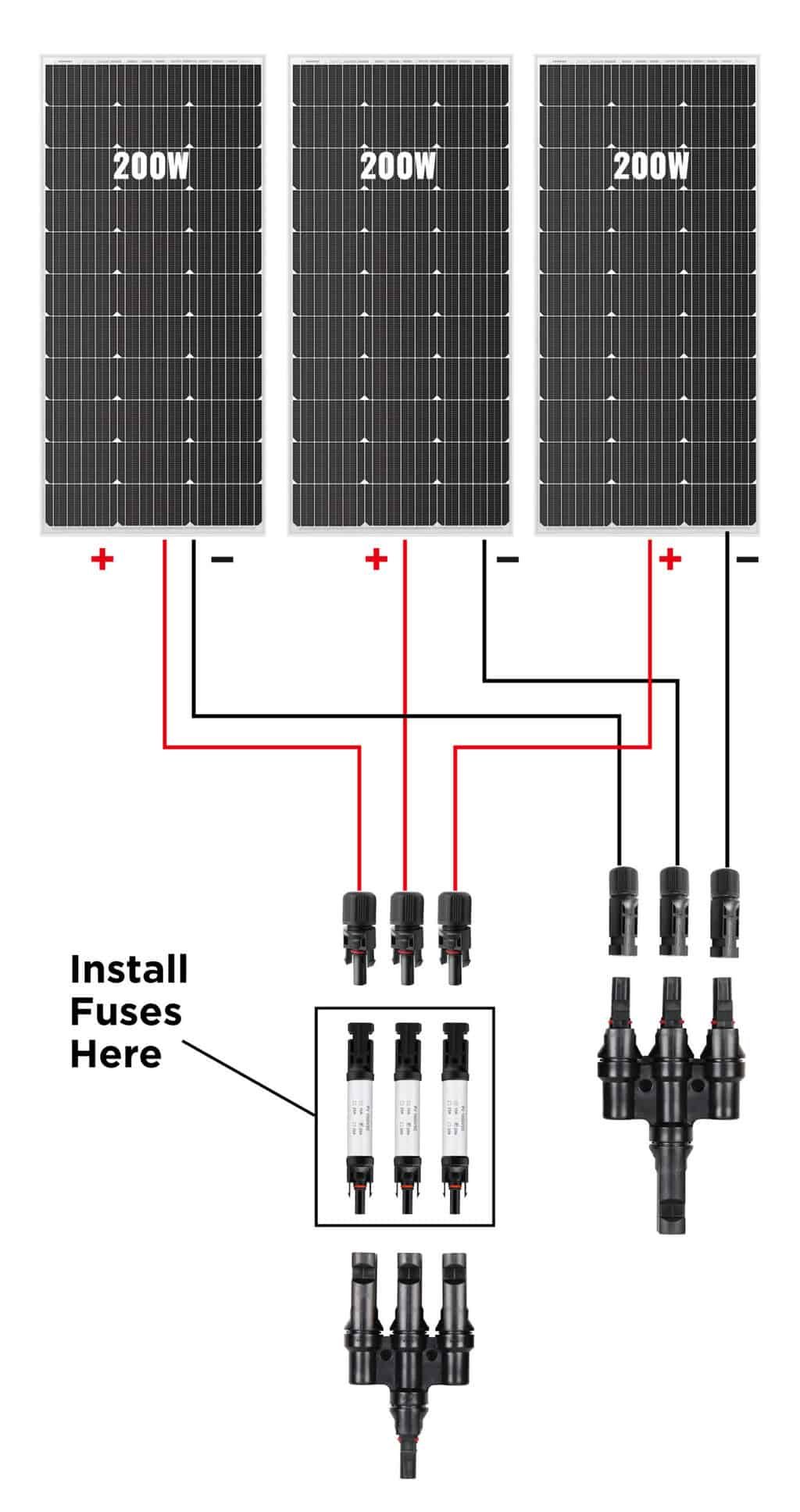
When dealing with multiple panels, the calculation becomes more complex depending on whether you are wiring them in series, parallel, or a combination of both. In a series connection, the voltage increases, but the current (Isc) remains the same as a single panel. In a parallel connection, the current adds up, requiring a higher-rated fuse to handle the combined output.
📷 Photo by asobolife.com
| System Configuration | Current Consideration | Fuse Calculation Formula |
|---|---|---|
| Single Panel | Use Isc of the panel | Isc x 1.25 |
| Series Connection | Use Isc of one panel | Isc x 1.25 |
| Parallel Connection | Sum of all Isc | (Sum of Isc) x 1.25 |
Step-by-Step Installation Guide
Installing an inline fuse is a straightforward process, but it must be done with precision to ensure a reliable connection. Always perform these steps during the early morning or late evening when the panels are not producing significant power to avoid accidental arcing.
- Identify the positive wire coming from your solar array before it reaches the charge controller.
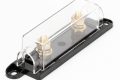
- Select a fuse holder that is waterproof and compatible with the gauge of your solar wire (typically 10 AWG or 12 AWG).
- Cut the positive wire at a convenient location, ideally as close to the solar array output as possible to protect the longest length of wire.
- Strip the wire ends and securely crimp or connect them to the fuse holder terminals, ensuring a tight, corrosion-resistant connection.
- Insert the calculated fuse into the holder and tighten the cap to ensure a watertight seal.
- Verify the connection with a multimeter to ensure there is continuity and no voltage drop across the fuse holder.
Risks of Incorrect Fusing
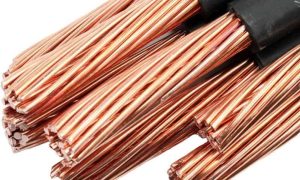
A common mistake many DIYers make is using a fuse that is too large for the wire gauge. If you use a 30-Amp fuse on a wire that is only rated for 15 Amps, the wire will melt and catch fire long before the fuse blows. Always ensure your wire gauge is rated for a higher amperage than the fuse you are installing. Additionally, using a fuse that is too small for the array output will result in frequent blown fuses, causing your system to stop charging your batteries unexpectedly.
Another frequent error is placing the fuse on the negative line. While technically safer than having no fuse at all, standard electrical safety practices dictate that the fuse should be placed on the positive (hot) side of the circuit. This ensures that the power source is effectively disconnected from the rest of the system if the fuse blows.
Maintenance and Inspection
📷 Photo by cityelectricweb.com
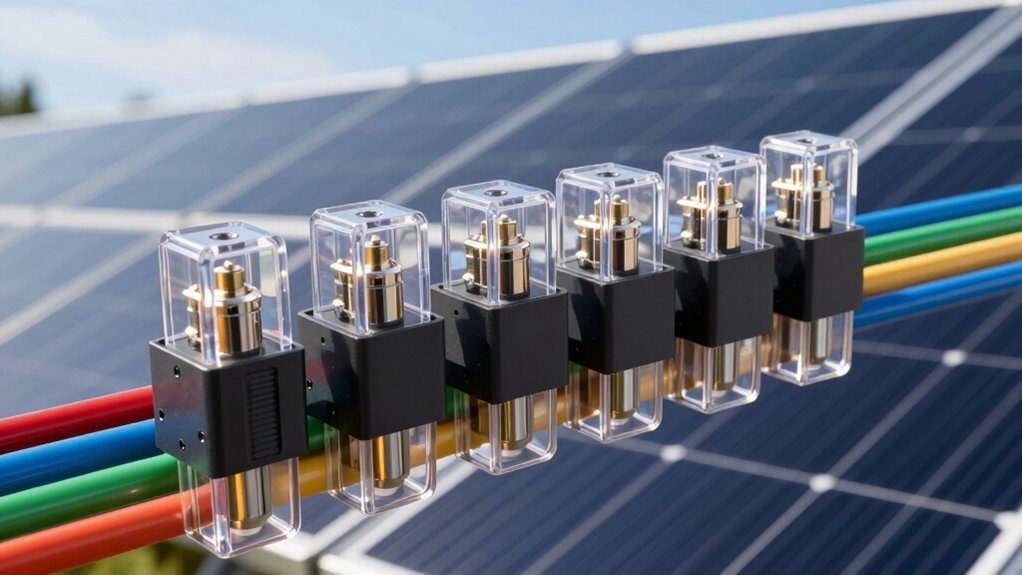
Solar systems are often “set and forget,” but environmental factors can degrade your connections over time. Check your fuse holder once every six months, especially if you live in an area with high humidity or extreme temperature fluctuations. Look for signs of discoloration on the fuse holder, which indicates heat buildup or a loose connection. If the fuse appears dark or the glass is clouded, it may have experienced a surge and should be replaced with an identical rating.
📷 Photo by asobolife.com
Frequently Asked Questions
Q: Can I use an automotive blade fuse instead of a solar-rated fuse?
A: While automotive fuses are designed for DC, they are not typically weather-resistant. For solar installations, it is highly recommended to use waterproof, inline solar fuse holders specifically designed for outdoor environments to prevent corrosion.
Q: What happens if I don’t use a fuse at all?
A: Without a fuse, a short circuit in your wiring could lead to a catastrophic electrical fire. Furthermore, most charge controller manufacturers will void your warranty if the system is installed without proper circuit protection.
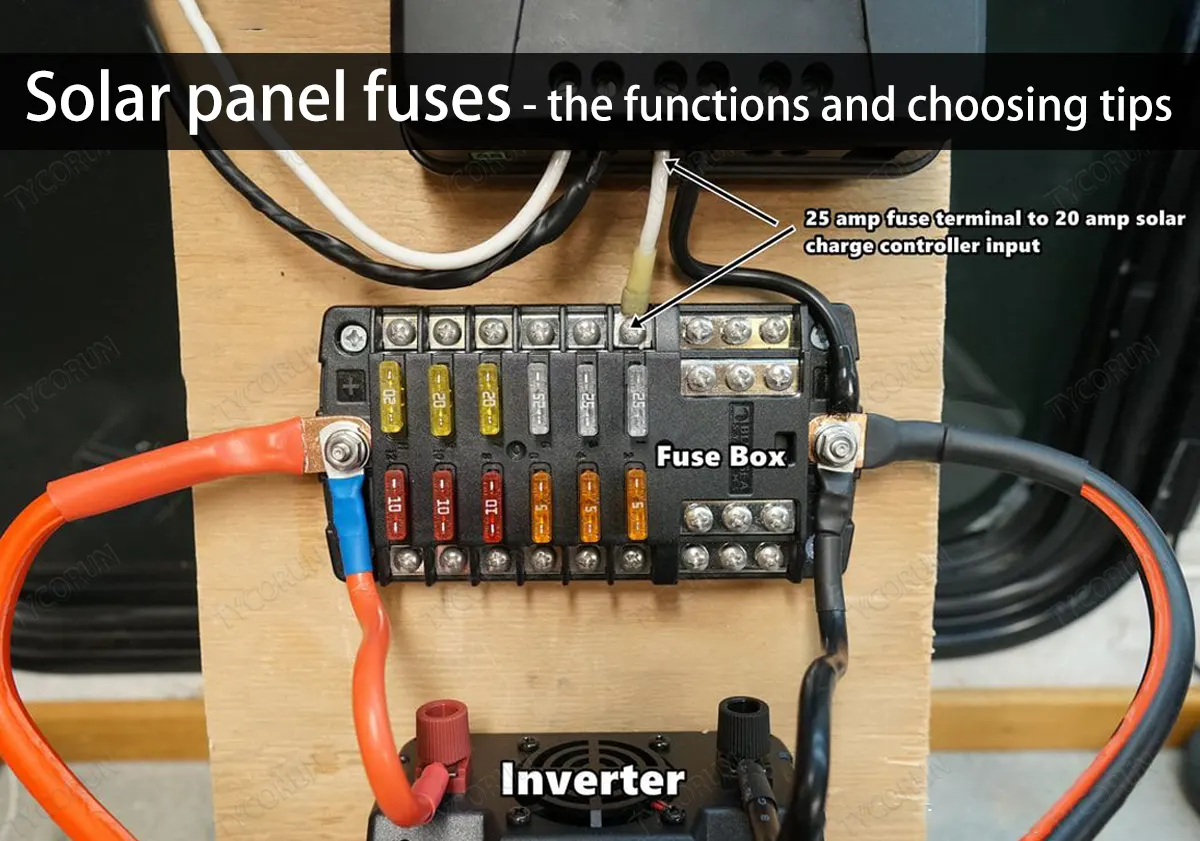
Q: Should I fuse between the battery and the charge controller as well?
A: Yes, you absolutely should. A fuse between the battery and the charge controller protects the controller from battery-side surges and protects the battery from potential short circuits within the controller itself.
By following these guidelines and respecting the electrical limits of your components, you can build a solar system that is not only efficient but also safe for years to come. Always prioritize high-quality components and secure connections to minimize the risk of failure in your energy infrastructure.
📷 Photo by tycorun.com