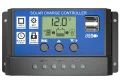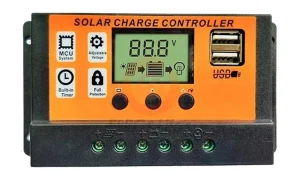



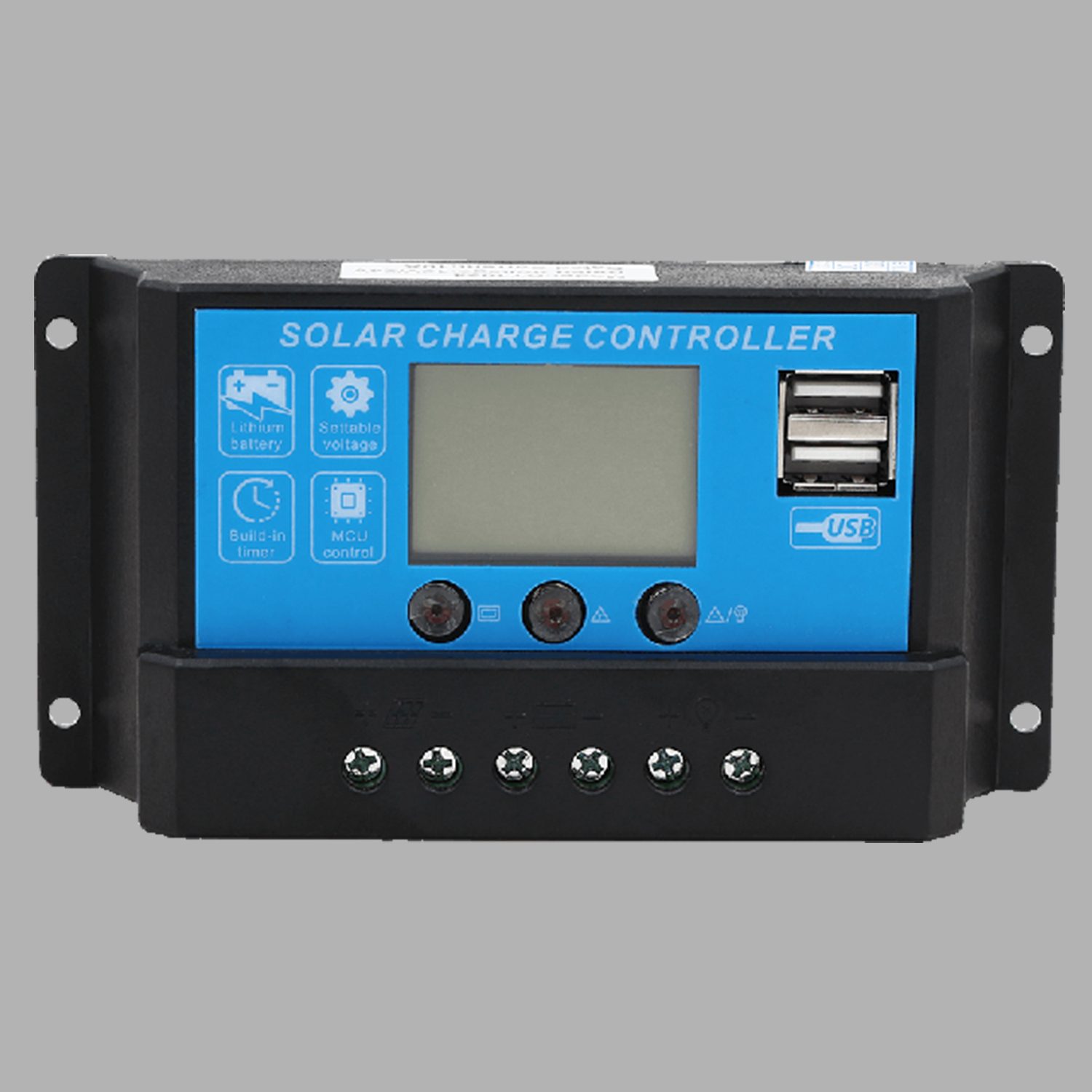
Vanonpower.com – A solar charge controller fails to reach bulk voltage primarily due to insufficient solar input, excessive voltage drop in wiring, or a misconfigured battery profile that causes the controller to prematurely switch to absorption mode.
The bulk stage is the most critical phase of the solar charging process because it is where the majority of the energy is transferred into your battery bank. If your controller is hovering at a lower voltage and refusing to climb, it indicates that the system is unable to overcome the internal resistance of the battery or the external limitations of the array. Understanding why this happens requires looking at the entire energy chain, from the panels on your roof down to the battery terminals.
Common Causes for Charging Stalls
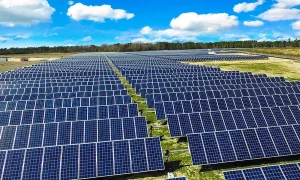
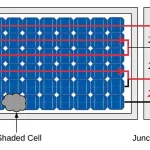
One of the most frequent reasons for this issue is under-sizing the solar array relative to the battery bank. If your solar panels cannot provide enough current (amps) to push the battery voltage higher, the controller will effectively reach a state of equilibrium where it cannot climb further. This is often exacerbated by partial shading, dust accumulation on panels, or extreme heat, which lowers the efficiency of photovoltaic cells.
Another culprit is voltage drop caused by undersized or long cables. If the distance between your controller and the battery is too great, or if the wire gauge is too thin, the resistance in the wire will cause a voltage drop. The charge controller may perceive the voltage at its terminals as being higher than what the battery is actually receiving, leading it to throttle back before the battery is truly full.
Evaluating System Performance
To determine if your system is operating correctly, you must compare your current readings against expected performance metrics. Use the following table to identify potential bottlenecks in your solar setup.
| Component | Common Issue | Impact on Bulk Voltage |
|---|---|---|
| Solar Array | Shading or dust | Reduces available current, preventing voltage rise |
| Cabling | High resistance/thin wire | Creates voltage drop, fooling the controller |
| Battery Bank | High internal resistance | Requires more current than the array can provide |
| Charge Controller | Incorrect settings | Switches to absorption prematurely |
Step-by-Step Troubleshooting Guide
If you suspect your system is not reaching the bulk voltage target, follow these steps to isolate the fault. Always ensure your solar array is disconnected before handling wiring connections to prevent arcing.
- Check the battery voltage at the battery terminals using a reliable digital multimeter, then compare it to the voltage shown on the charge controller display. If the controller shows a higher voltage than the multimeter, you have a significant voltage drop caused by wiring.
- Inspect all wire connections for corrosion or looseness. Even a slightly oxidized terminal can create enough resistance to interfere with the delicate voltage sensing required by the controller.
- Verify the battery chemistry settings on your controller. If you are using Lithium (LiFePO4) but the controller is set to Lead-Acid or AGM, the voltage thresholds will be mismatched, causing the controller to stop charging too early.
- Clean your solar panels thoroughly. Even a thin layer of grime can reduce power output by 10 to 20 percent, which might be just enough to prevent your system from reaching the bulk threshold.
- Monitor the system during peak sun hours (solar noon). If it reaches bulk voltage only at midday but fails in the morning or afternoon, your array size is likely insufficient for your specific battery capacity.
Risks of Chronic Undercharging
Failing to reach the bulk voltage regularly is more than just a minor inconvenience; it is detrimental to battery health. In lead-acid batteries, failing to reach a full charge leads to sulfation, where lead sulfate crystals harden on the battery plates. Once these crystals form, they become difficult to remove, permanently reducing the battery capacity and shortening its lifespan.
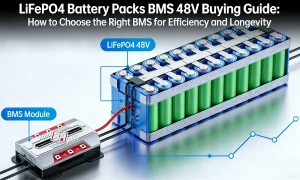
For Lithium batteries, the risk is slightly different. If the controller never reaches the proper bulk/absorption voltage, the internal Battery Management System (BMS) may not be able to balance the cells effectively. Over time, this results in an imbalanced pack where one cell reaches high voltage while others remain low, causing the BMS to trigger a premature cutoff and limiting the usable energy of the entire bank.
📷 Photo by inverter.com
Mistakes to Avoid
Do not simply increase the bulk voltage setting on your controller to force the system to reach a higher number. If the system is struggling, increasing the setpoint without addressing the underlying resistance or power deficit will only lead to inaccurate readings and potential overheating of the wiring. Ensure your settings match the manufacturer’s specifications for your specific battery model exactly.
Another common mistake is ignoring the temperature compensation feature. If your controller has a remote temperature sensor, ensure it is properly attached to the battery. If it is malfunctioning or disconnected, the controller might be adjusting its voltage targets incorrectly based on inaccurate temperature readings, preventing it from reaching the necessary bulk voltage for the current ambient conditions.
Frequently Asked Questions
Q: Will a cloudy day prevent my controller from reaching bulk voltage?
A: Yes, if the solar input is insufficient to maintain the necessary current, the controller will not be able to push the battery voltage into the bulk range. This is normal behavior for off-grid systems.
Q: Can a failing battery cause the bulk voltage to stay low?
A: Absolutely. A battery with a shorted cell or high internal resistance will draw excessive current or refuse to accept a charge, preventing the controller from ever reaching the desired voltage threshold.
📷 Photo by solarpowersystems.org
Q: Should I reset my controller if it stops reaching bulk voltage?
A: A factory reset can help if the internal software has glitched or if incorrect parameters were saved, but it should be the last step after you have verified that the wiring, solar input, and battery health are all within normal operating parameters.
📷 Photo by us.solarpanelsnetwork.com
By systematically checking your connections, verifying your settings, and ensuring your solar array is clean and appropriately sized, you can resolve most issues regarding bulk voltage. Consistency is key to long-term battery health; prioritize a robust electrical connection and accurate sensing to keep your power system performing at its peak.
📷 Photo by enyasa.com