

Vanonpower.com – Proper 12V lithium battery sizing for a campervan requires calculating your total daily watt-hour consumption and dividing it by your battery’s usable capacity while ensuring your charging system can support the replenishment of that energy.
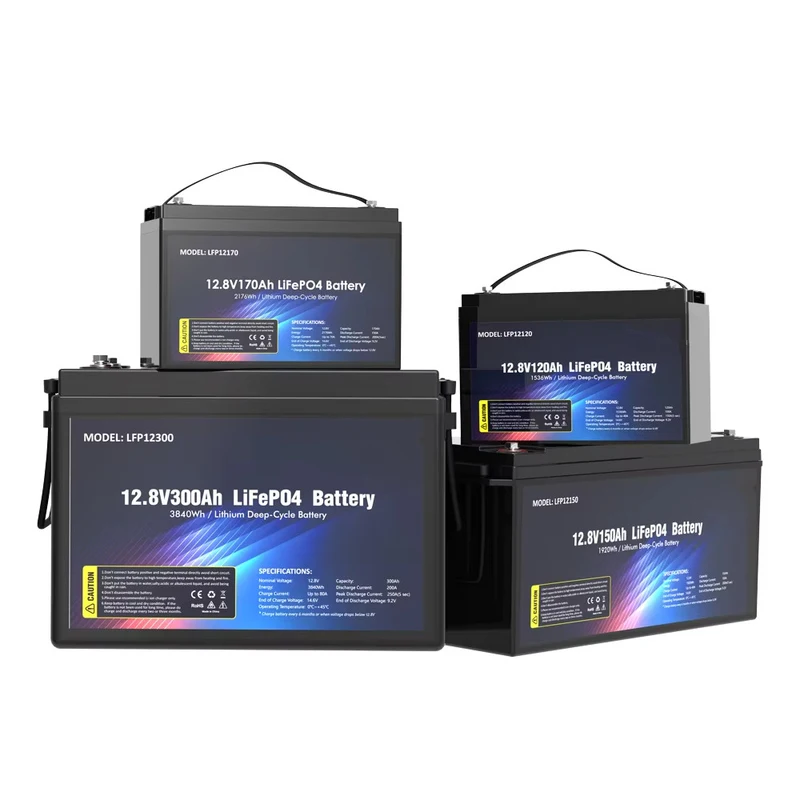
📷 Photo by liiontractionbattery.com
Understanding Your Energy Needs
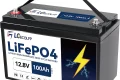
Before purchasing a battery, you must audit your electrical usage. Most beginners overestimate how much power they need or ignore the efficiency losses in their system. A campervan setup typically relies on a 12V LiFePO4 (Lithium Iron Phosphate) battery due to its superior cycle life, weight savings, and ability to be discharged deeply without damaging the cells.
To determine your size, list every appliance you intend to run. Calculate the daily consumption by multiplying the device’s wattage by the number of hours it will be in use. For example, a 60W laptop used for 3 hours consumes 180 watt-hours (Wh). Do this for your lights, water pump, fridge, and charging ports to get a total daily Wh figure.
The Importance of Usable Capacity
Unlike lead-acid batteries, which should only be discharged to 50% to prevent permanent damage, lithium batteries can safely be discharged to 80% or even 90% of their rated capacity. However, for longevity, a 20% buffer is recommended. If your daily usage is 1000Wh, you should look for a battery that provides at least 1200Wh to 1500Wh of capacity to account for inverter inefficiency and potential cloudy days.
Standard Battery Capacity Comparison
| Battery Type (12V) | Rated Capacity (Ah) | Usable Capacity (80%) | Typical Weight (kg) |
|---|---|---|---|
| Compact LiFePO4 | 100Ah | 80Ah | 12kg |
| Standard LiFePO4 | 200Ah | 160Ah | 24kg |
| Large Bank LiFePO4 | 300Ah | 240Ah | 35kg |
Calculating Your System Requirements
Once you have your total daily energy requirement, you must ensure your battery bank can handle the peak load. If you are running an induction cooktop or a high-powered blender, your battery must have a high enough continuous discharge rate (BMS rating). A standard 100Ah battery often has a 100A continuous discharge limit, allowing for 1200W of power draw. Exceeding this will trigger the Battery Management System (BMS) to shut down your power for safety.
Step-by-Step Sizing Process
- Calculate your total daily watt-hours (Wh) by multiplying device wattage by daily usage hours.
- Add a 20% safety margin to your total Wh to account for system inefficiencies and future expansions.
- Divide your adjusted total Wh by 12.8V to determine the necessary Amp-hours (Ah) for your battery.
- Check the continuous discharge current (Amps) of the battery to ensure it covers your largest appliance’s power draw.
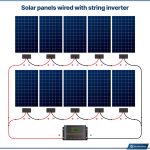
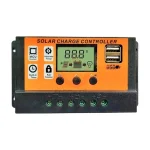
- Verify that your alternator or solar charge controller is capable of recharging the chosen battery capacity within your available driving or sunlight hours.
Common Mistakes to Avoid
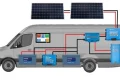
One major error is neglecting the charge rate. Even if you have a massive 600Ah battery bank, if your solar array is only 100W, you will never fully charge the battery. This leads to chronic undercharging, which can cause the battery cells to become unbalanced over time. Ensure your charging sources—solar, DC-DC charger, and shore power—are sized proportionally to your battery bank.
Another mistake is ignoring temperature constraints. Lithium batteries cannot be charged in freezing temperatures (below 0 degrees Celsius/32 degrees Fahrenheit). If you plan to travel in winter, you must invest in a battery with an integrated heating element or install the battery inside the insulated living area of your van.
The Role of the BMS
The Battery Management System is the brain of your lithium setup. It protects the cells from over-voltage, under-voltage, short-circuiting, and extreme temperatures. When sizing your system, always prioritize batteries from reputable brands that provide clear documentation on their BMS capabilities. A cheap battery with a poorly designed BMS is a significant fire risk and a point of failure in your electrical infrastructure.
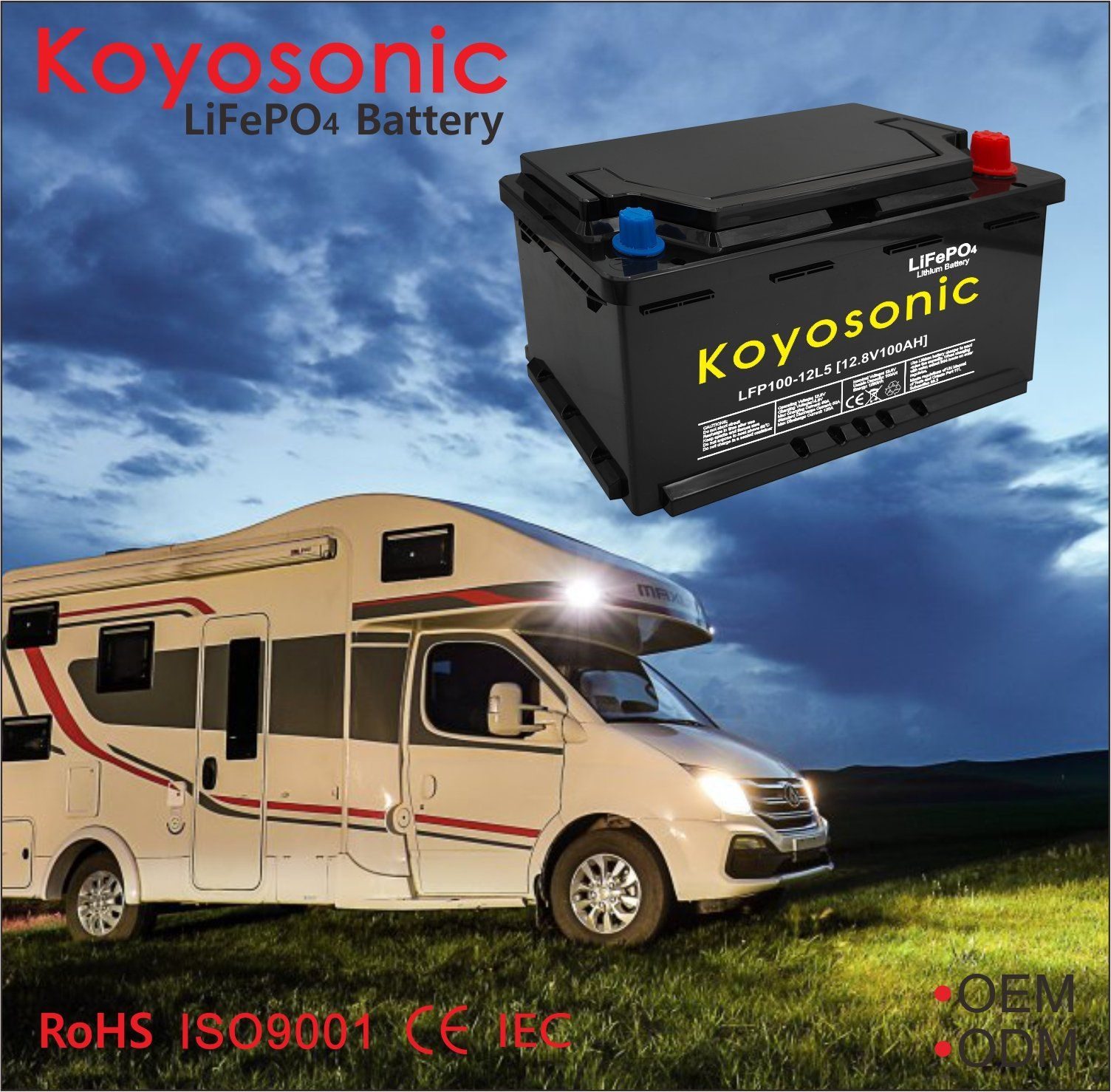
📷 Photo by koyosonic.en.made-in-china.com
Infrastructure Considerations
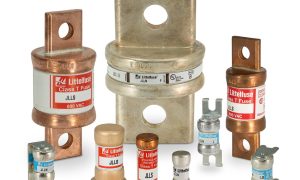
Remember that your battery is only one part of the circuit. As you increase the size of your battery bank, you must also increase the thickness of your cables. Using undersized cables for a high-capacity battery bank creates significant voltage drop and becomes a fire hazard. Always use a fuse or circuit breaker between your battery and the rest of the system to isolate the power during maintenance or in the event of a fault.
Frequently Asked Questions
Q: Can I mix different battery brands or capacities in my campervan?
A: It is strongly recommended to use identical batteries of the same brand, model, and age to ensure the internal resistance and charging characteristics remain balanced across the bank.
Q: How long will a 100Ah lithium battery last on a single charge?
A: It depends entirely on your load. If you use 20Ah per day, it will last 4 days. If you use 100Ah per day, it will last 1 day. Most van lifers use between 50Ah and 100Ah daily.
Q: Do I need a special charger for my lithium battery?
A: Yes, you need a charger with a lithium-specific charging profile. Lead-acid chargers often use a “desulfation” mode that can trigger high-voltage spikes, which may damage the lithium battery’s BMS.
Choosing the right battery size is a balance between your actual energy needs and the physical space available in your van. By taking the time to audit your appliances and understanding your discharge limits, you can build a reliable power system that supports your lifestyle without the constant anxiety of running out of electricity.
📷 Photo by heyienergy.com