

Vanonpower.com – To determine the size of a battery bank for three days of autonomy, you must calculate your total daily energy consumption in watt-hours (Wh), multiply it by three, and apply a depth-of-discharge factor to ensure the battery remains healthy.
Calculating the right battery capacity is not a guessing game; it is a precise exercise in energy budgeting. If you underestimate your needs, you risk total power failure in the middle of your off-grid stay. If you overestimate, you face unnecessary costs and excessive weight. The goal is to find the “sweet spot” that covers your essential appliances while accounting for the reality that batteries should rarely be drained to zero.
The Fundamental Calculation Process
To find your required capacity, you first need to audit your appliances. Every device has a wattage rating, usually found on a sticker or the manufacturer’s manual. Multiply the wattage of each device by the number of hours you intend to use it per day. Sum these figures to get your total Daily Watt-Hour (Wh) requirement.
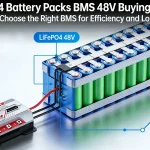
Once you have your daily total, multiply that number by three to cover your autonomy period. However, this is only your “net” requirement. You must then factor in the Depth of Discharge (DoD). Lead-acid batteries should generally not be discharged beyond 50 percent, while Lithium Iron Phosphate (LiFePO4) batteries can safely handle 80 to 90 percent discharge. Dividing your total energy need by your battery’s safe DoD percentage gives you the actual capacity you need to purchase.
Comparison of Battery Technologies
The type of battery you choose significantly alters the size and weight of the bank required for three days of autonomy. The following table illustrates the usable capacity differences between common chemistries.
| Battery Type | Safe Depth of Discharge | Efficiency | Best Use Case |
|---|---|---|---|
| Lead-Acid (AGM) | 50% | Lower | Budget-conscious, stationary setups |
| Gel Battery | 60% | Moderate | Marine and long-cycle applications |
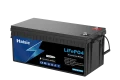
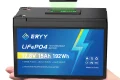
| LiFePO4 (Lithium) | 90% | High | Off-grid living, RVs, portable power |
Step-by-Step Guide to Calculating Your Needs
Follow these steps to ensure you do not run out of power during your three-day autonomy window:
- List every electrical device you plan to use, including lights, refrigerators, and phone chargers.
- Determine the wattage for each device (e.g., a 60W laptop used for 4 hours = 240Wh).
- Add all daily Wh totals together to get your Daily Energy Consumption.
- Multiply your Daily Energy Consumption by 3 to reach your 3-day baseline.
- Divide that total by your battery’s maximum safe Depth of Discharge (e.g., 0.9 for Lithium).
- Add a 15% buffer for efficiency losses in your inverter and wiring to determine your final target capacity.
Common Pitfalls and Real-World Risks
The most frequent mistake people make is ignoring the “phantom load.” Even when your devices are turned off, many modern appliances draw small amounts of power while in standby mode. Furthermore, inverters themselves consume energy just to stay on and convert DC power to AC. If you calculate only the consumption of your devices, you will likely find your battery bank dies half a day earlier than expected.
Temperature also plays a critical role. Batteries lose significant capacity in cold weather. If you are camping or living off-grid in freezing temperatures, a standard battery bank may perform at only 70 percent of its rated capacity. Always oversize your bank by at least 20 percent if you anticipate operating in cold environments, or invest in a battery with a built-in heating element.
Understanding Autonomy vs. Recovery
Autonomy is the amount of time your battery can support your load without any external input, such as solar panels or a generator. It is important to remember that three days of autonomy assumes you are not charging the batteries at all. If you have solar panels, your “autonomy” effectively extends because you are replenishing the bank during daylight hours. However, relying on solar can be risky during winter months or extended periods of cloudy weather. For true peace of mind, calculate your three-day requirement based on zero solar intake.
Read also: How Long Do LiFePO4 Batteries Last in Full-Time Van Life?
The Impact of Inverter Efficiency
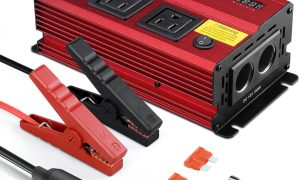
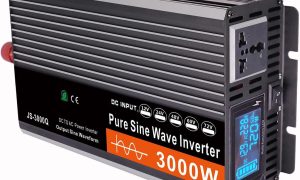
Your battery bank stores Direct Current (DC), but most appliances use Alternating Current (AC). The inverter performs this conversion, but it is not 100 percent efficient. You can expect 10 to 15 percent of your stored energy to be lost as heat during this conversion process. When sizing your bank, always perform your final calculation based on the total load plus this conversion overhead. If your calculation suggests you need 3,000Wh, aim for a bank that provides at least 3,450Wh to account for the inverter’s inefficiency.
Frequently Asked Questions
Q: Can I mix different types of batteries in the same bank?
A: No, you should never mix different battery chemistries or even different brands and ages of batteries in the same bank. Doing so will cause the batteries to charge and discharge unevenly, leading to premature failure and potential safety hazards.
Q: Why does my battery voltage drop so quickly when I use a high-wattage device?
A: This is known as the Peukert Effect. When you draw a heavy load from a battery, the internal resistance causes the voltage to dip, making the battery appear “empty” sooner than it would under a light load. This is why it is essential to ensure your battery bank is rated for the continuous discharge current of your most demanding appliance.
Q: Is it better to have one large battery or several smaller ones?
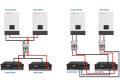
A: Smaller batteries connected in parallel offer redundancy; if one fails, you still have power. However, a single large battery is often easier to manage in terms of wiring complexity and battery management system (BMS) synchronization.
In summary, achieving three days of autonomy is about balancing your actual usage with the chemical limitations of your battery bank. By performing a thorough audit of your appliances, accounting for inverter losses, and choosing the right chemistry for your environment, you can build a reliable system that keeps you powered regardless of the grid.
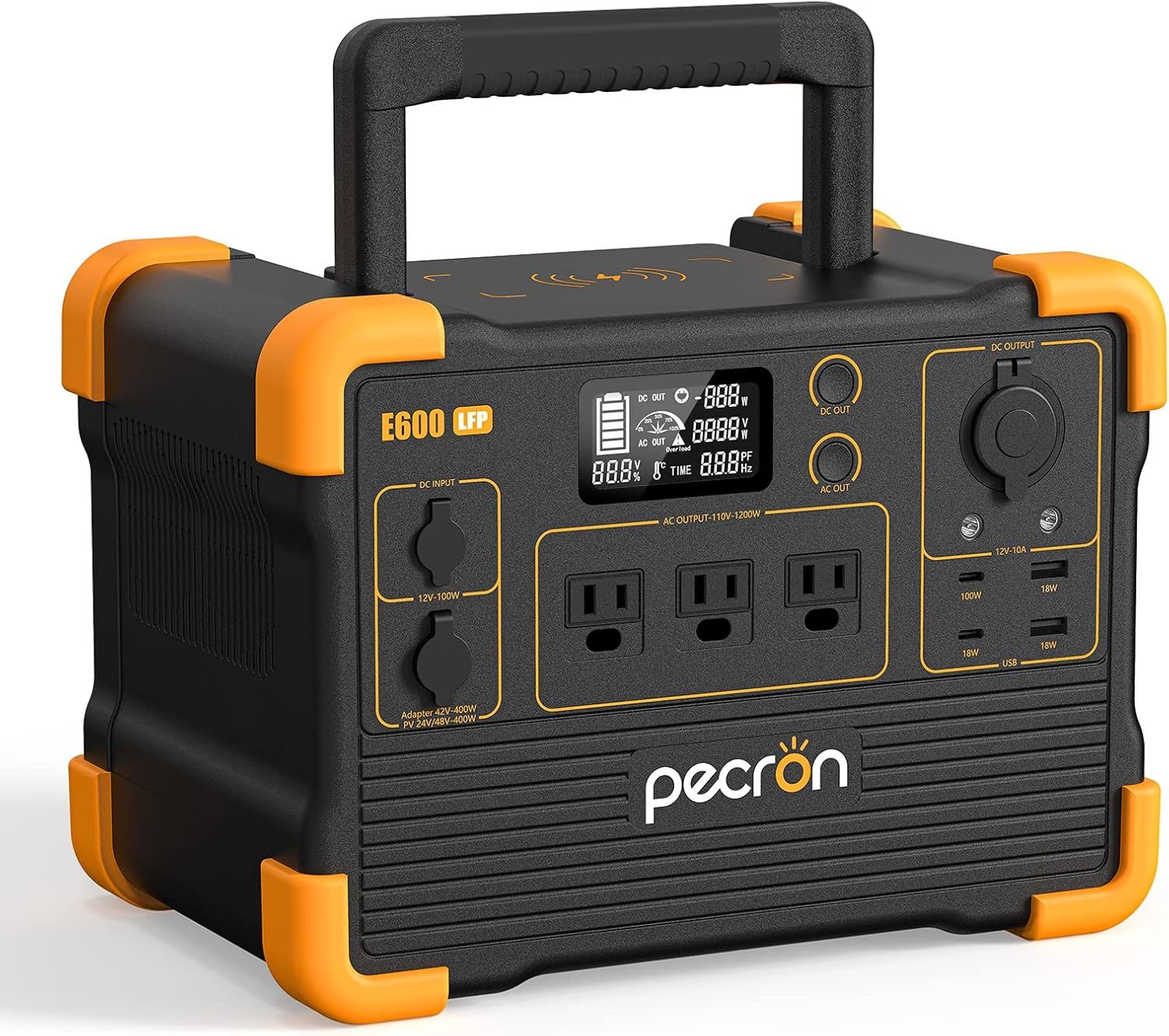
📷 Photo by powerprogenerator.com