



Vanonpower.com – A 200Ah lithium battery provides exactly double the energy capacity of a 100Ah battery, offering 2,560Wh of usable power compared to 1,280Wh, assuming a standard 12.8V nominal voltage and 100% depth of discharge.
Choosing between a 100Ah and 200Ah lithium iron phosphate (LiFePO4) battery is a critical decision for anyone building an off-grid solar system, RV power bank, or marine energy storage solution. While the math seems simple—doubling the amp-hours doubles the capacity—the real-world performance depends heavily on your specific load requirements and physical space constraints.
Understanding Amp-Hours and Watt-Hours
To determine how much power you actually get, you must stop thinking in amp-hours (Ah) and start calculating watt-hours (Wh). Amp-hours measure the flow of current over time, but watt-hours measure the total energy stored. The formula is straightforward: Volts multiplied by Amp-hours equals Watt-hours.
For a standard 12V system, a 100Ah battery stores approximately 1,280 watt-hours. A 200Ah battery stores 2,560 watt-hours. Because lithium batteries allow for a 100% depth of discharge (DoD) without damaging the internal chemistry, you can safely access the entirety of these watt-hours. Unlike lead-acid batteries, which should generally not be discharged below 50%, lithium gives you full access to the advertised capacity.
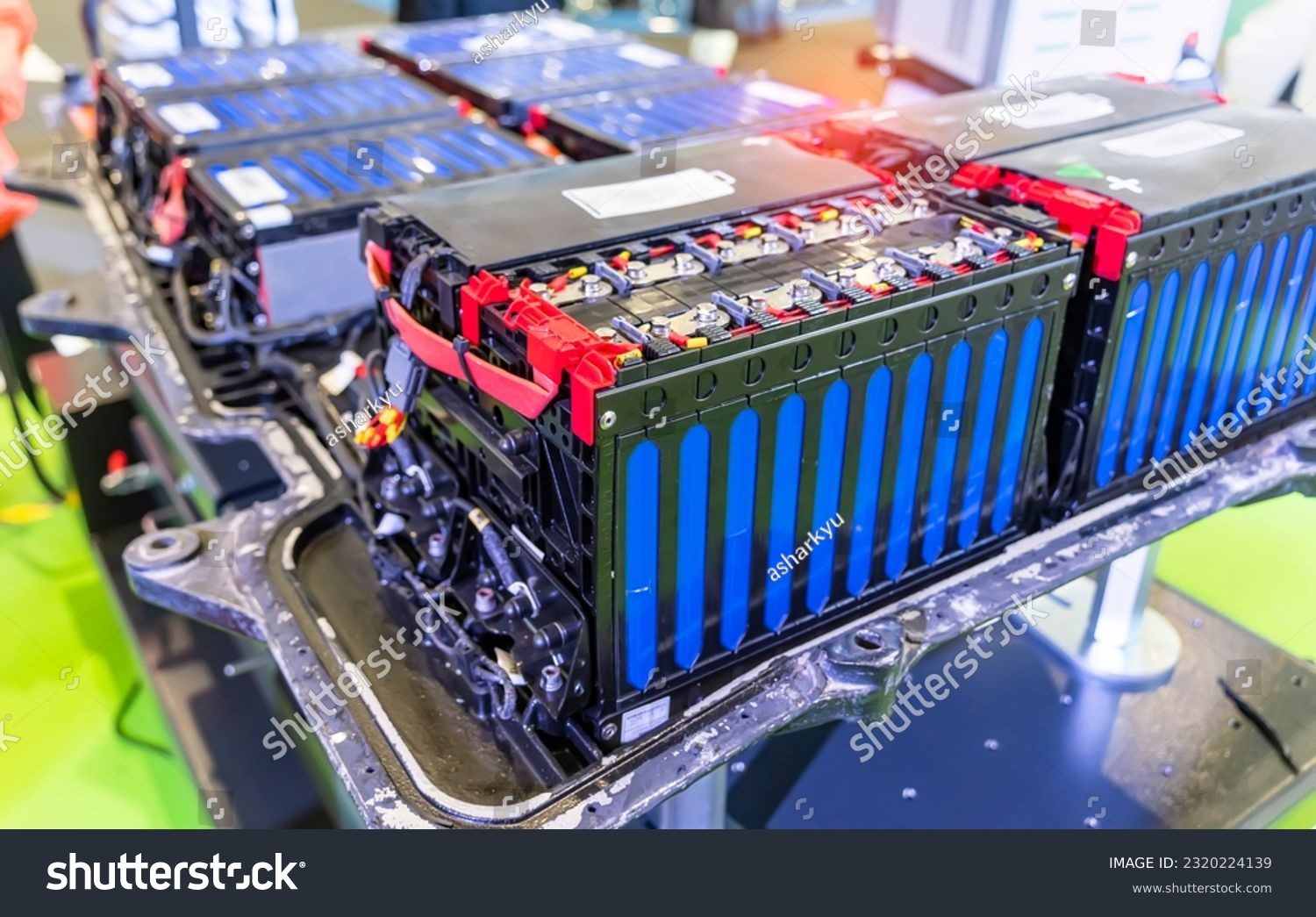
📷 Photo by shutterstock.com
Comparative Breakdown of Capacity
The following table illustrates the energy potential and weight implications of choosing between these two common battery sizes for a standard 12V system.
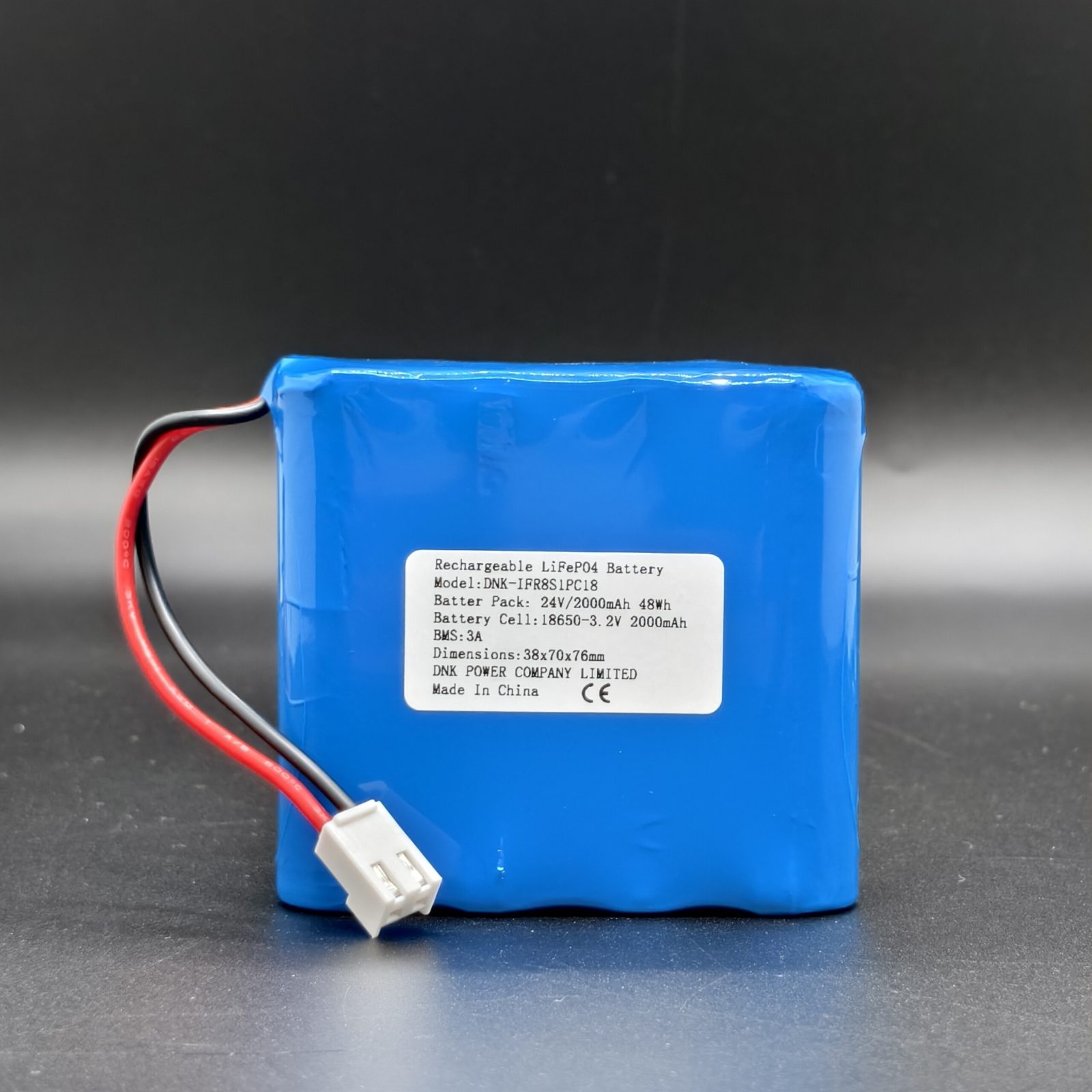
📷 Photo by dnkpower.com
Read also: How to Calculate LiFePO4 Battery Capacity for Off-Grid Solar
| Metric | 100Ah LiFePO4 | 200Ah LiFePO4 |
|---|---|---|
| Nominal Voltage | 12.8V | 12.8V |
| Total Energy | 1,280Wh | 2,560Wh |
| Usable Energy (100% DoD) | 1,280Wh | 2,560Wh |
| Average Weight | 11–13 kg | 22–26 kg |
| Best Application | Small campers, lighting | Full-time RV, off-grid cabins |
Practical Scenarios: How Much Power Do You Need?
Calculating your energy needs requires a look at your daily consumption. If you run a high-efficiency 12V refrigerator (consuming 40Ah per day), LED lights (5Ah per day), and charge your phone and laptop (15Ah per day), your daily consumption is roughly 60Ah. A 100Ah battery would handle this comfortably with a safety margin, allowing for roughly 1.5 days of autonomy without solar charging.
However, if you add high-draw appliances like a coffee maker, an induction cooktop, or a microwave, the 100Ah battery may struggle. Not because of capacity, but because of the continuous discharge current limit (BMS limit). A 200Ah battery often comes with a higher internal Battery Management System (BMS) current rating, allowing you to run higher-wattage appliances without triggering a shutdown.
Steps to Determine Your Battery Size
Follow these steps to calculate whether a 100Ah or 200Ah unit fits your lifestyle:
- List every device you plan to use and find its wattage rating on the back of the device.
- Estimate how many hours per day you will use each device.
- Multiply the wattage by the hours used to get the total daily watt-hours.
- Divide the total watt-hours by 12.8V to convert the requirement into amp-hours.
- Add a 20% buffer for efficiency losses, such as inverter conversion heat.
- If your daily amp-hour requirement exceeds 80Ah, prioritize a 200Ah battery to ensure you have enough reserve power for cloudy days or unexpected high-load events.
Common Mistakes and Risks
One of the most common mistakes is assuming that two 100Ah batteries in parallel are identical to a single 200Ah battery. While electrically they perform similarly, a single 200Ah battery simplifies your wiring, reduces the number of connection points that can fail, and often occupies a smaller footprint. However, a single 200Ah unit is heavy and can be cumbersome to move compared to two smaller 100Ah units.
Another risk is ignoring the inverter sizing. If you buy a 200Ah battery but pair it with an undersized inverter, you are bottlenecking your power. Ensure your battery’s BMS discharge current limit is higher than the maximum current your inverter will pull at full load. Always check the manufacturer’s spec sheet for the “Continuous Discharge Current” rating.
Weight and Space Considerations
Lithium batteries are significantly lighter than their AGM or lead-acid counterparts, but a 200Ah battery is still a substantial object. If you are building a lightweight van conversion, weight distribution matters. Placing a heavy 200Ah battery over an axle is safer than mounting it in a cabinet that isn’t reinforced. If your space is modular or oddly shaped, two 100Ah batteries might be easier to tuck into different corners of your vehicle than one large 200Ah block.
Maintenance and Longevity
Both 100Ah and 200Ah lithium batteries generally offer the same cycle life, often rated for 3,000 to 5,000 cycles at 80% depth of discharge. To maximize this, avoid keeping your batteries at 100% state of charge for months at a time if you are storing them. Keeping them at roughly 50–70% during long-term storage significantly extends the chemical life of the cells.
Frequently Asked Questions
Q: Can I mix a 100Ah and a 200Ah battery in the same system?
A: It is strongly discouraged. Batteries in parallel should be of the same brand, model, age, and capacity to ensure they charge and discharge at the same rate, preventing one battery from overworking the other.
Q: Will a 200Ah battery charge twice as slow as a 100Ah battery?
A: No. If your solar array or charger provides enough current, the 200Ah battery will charge just as effectively. However, if your charger is small (e.g., 20A), it will take twice as long to charge a 200Ah battery compared to a 100Ah battery because there is more capacity to fill.
Q: Is it better to buy one 200Ah battery or two 100Ah batteries?
A: One 200Ah battery is generally more cost-effective and creates less wiring clutter. Two 100Ah batteries are better if you have limited space or want redundancy; if one battery fails, the other can keep your essential systems running.
Ultimately, the choice between 100Ah and 200Ah comes down to your energy budget. If you are a weekend warrior, 100Ah is usually sufficient. If you are living off-grid or traveling full-time, the 200Ah capacity provides the necessary buffer to prevent power anxiety and protect your equipment from frequent deep-cycle stress.
📷 Photo by ctspowerbattery.com