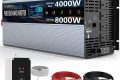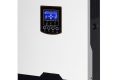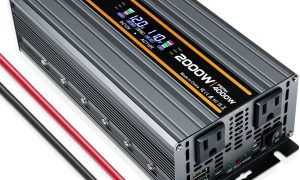
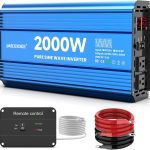
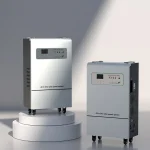
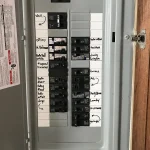
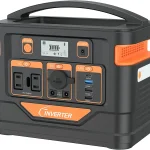


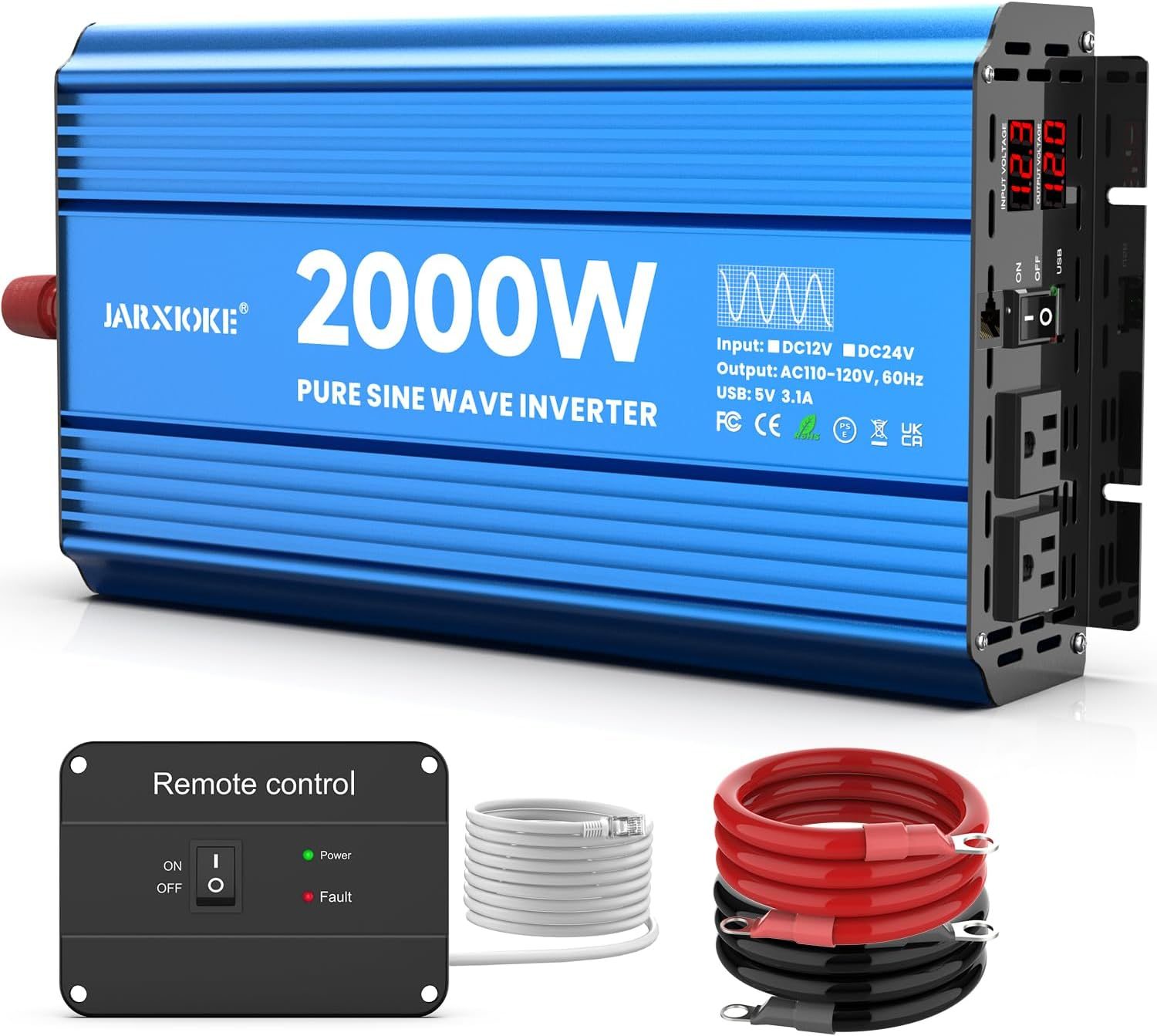
Vanonpower.com – A high-frequency inverter is generally better for compact, lightweight, and cost-effective residential applications, while a low-frequency inverter is superior for heavy-duty industrial tasks requiring high surge capacity and long-term durability.
Choosing between inverter technologies is not about finding a universally “better” device, but rather selecting the right tool for your specific electrical load. The primary difference lies in the transformer design, which dictates how the device handles power conversion, weight, and reliability under stress.
The Core Mechanism: How They Differ
High-frequency inverters utilize compact, lightweight electronic components to convert DC to AC. They use advanced power electronics and smaller transformers to achieve the conversion process rapidly. Because of this design, they are significantly smaller and easier to install in space-constrained areas like RVs, small off-grid cabins, or home offices.
Conversely, low-frequency inverters rely on massive copper-wound transformers. These units operate at the standard utility frequency of 50 or 60 Hz. This physical size results in a much heavier unit, but it provides a distinct advantage: the massive transformer acts as a buffer, allowing the inverter to handle massive power surges—such as those created by large electric motors, refrigerators, or well pumps—without tripping the internal protection circuits.
Comparison Table: High-Frequency vs. Low-Frequency Inverters
| Feature | High-Frequency Inverter | Low-Frequency Inverter |
|---|---|---|
| Weight/Size | Lightweight and compact | Heavy and bulky |
| Surge Capacity | Moderate (typically 2x rated) | High (typically 3x to 5x rated) |
| Efficiency | Higher efficiency at lower loads | Lower efficiency due to transformer heat |
| Cost | Affordable/Budget-friendly | Higher investment cost |
| Reliability | Sensitive to power spikes | Extremely robust and durable |
When to Choose a High-Frequency Inverter
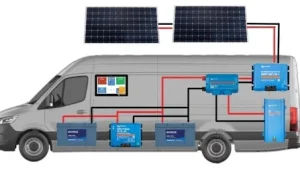
You should opt for a high-frequency inverter if your primary loads consist of consumer electronics, LED lighting, or small kitchen appliances. These units are highly efficient when operating at partial loads, making them perfect for solar setups where you want to minimize standby power consumption. Their smaller footprint makes them ideal for mobile applications where weight is a critical factor, such as in camper vans or boats.
However, the trade-off is the sensitivity of the electronic components. Because they lack the heavy-duty transformer, they are more prone to failure if subjected to constant, extreme power surges. If your application involves devices with high “inrush” current—the initial spike of electricity needed to start a motor—a high-frequency inverter might shut down or sustain damage over time.
When to Choose a Low-Frequency Inverter
Low-frequency inverters are the workhorses of the power world. If your system is designed to power an entire home, a workshop with power tools, or equipment with heavy inductive motors, this is your only reliable choice. The massive transformer allows these units to handle the startup current of air conditioners, sump pumps, and large industrial refrigerators with ease.
Beyond surge capacity, low-frequency inverters are generally more durable in harsh environments. They are less prone to damage from voltage fluctuations on the grid or battery banks. If you are building a permanent, mission-critical off-grid power system where reliability is more important than weight or initial cost, the low-frequency design is the professional standard.
Read also: How to Prevent Inverter Spark When Connecting to Lithium Battery
Installation and Safety Checklist
Regardless of the type you choose, proper installation is the key to longevity. Follow these steps to ensure your system operates safely:
- Calculate your total continuous wattage and your peak surge wattage requirements before purchasing.
- Select a mounting location that is dry, well-ventilated, and free from excessive dust or moisture to prevent overheating.
- Use the correct gauge of battery cables provided by the manufacturer; undersized cables will cause voltage drops and potential fire hazards.
- Install a high-quality fuse or circuit breaker between the battery bank and the inverter to protect against short circuits.
- Verify that the inverter is properly grounded to your system’s chassis or earth ground to prevent electrical shock.
Common Mistakes to Avoid
One of the most frequent errors users make is ignoring the “inrush current” of their appliances. A refrigerator may only consume 200 watts while running, but it might require 1,500 watts for a few seconds to start the compressor. If your inverter cannot handle that momentary spike, you will experience constant system resets. Always size your inverter based on the starting load, not just the running load.
Another common mistake is placing the inverter too far from the battery bank. Long cable runs lead to significant energy loss and potential voltage instability. Keep your DC cables as short as possible to maintain maximum efficiency and performance.
Frequently Asked Questions
Q: Can a high-frequency inverter run an air conditioner?
A: Only if the inverter is significantly oversized to handle the massive surge current of the AC compressor, though a low-frequency inverter is always the recommended choice for this task.
Q: Why are low-frequency inverters more expensive?
A: They contain significantly more raw materials, specifically high-grade copper windings and steel laminations for the transformer, which increases manufacturing and shipping costs.
Q: Which type is better for solar energy storage?
A: For residential solar systems that power standard household appliances, high-frequency inverters are typically preferred due to their higher efficiency and lower cost. Use low-frequency for specialized, heavy-load applications.
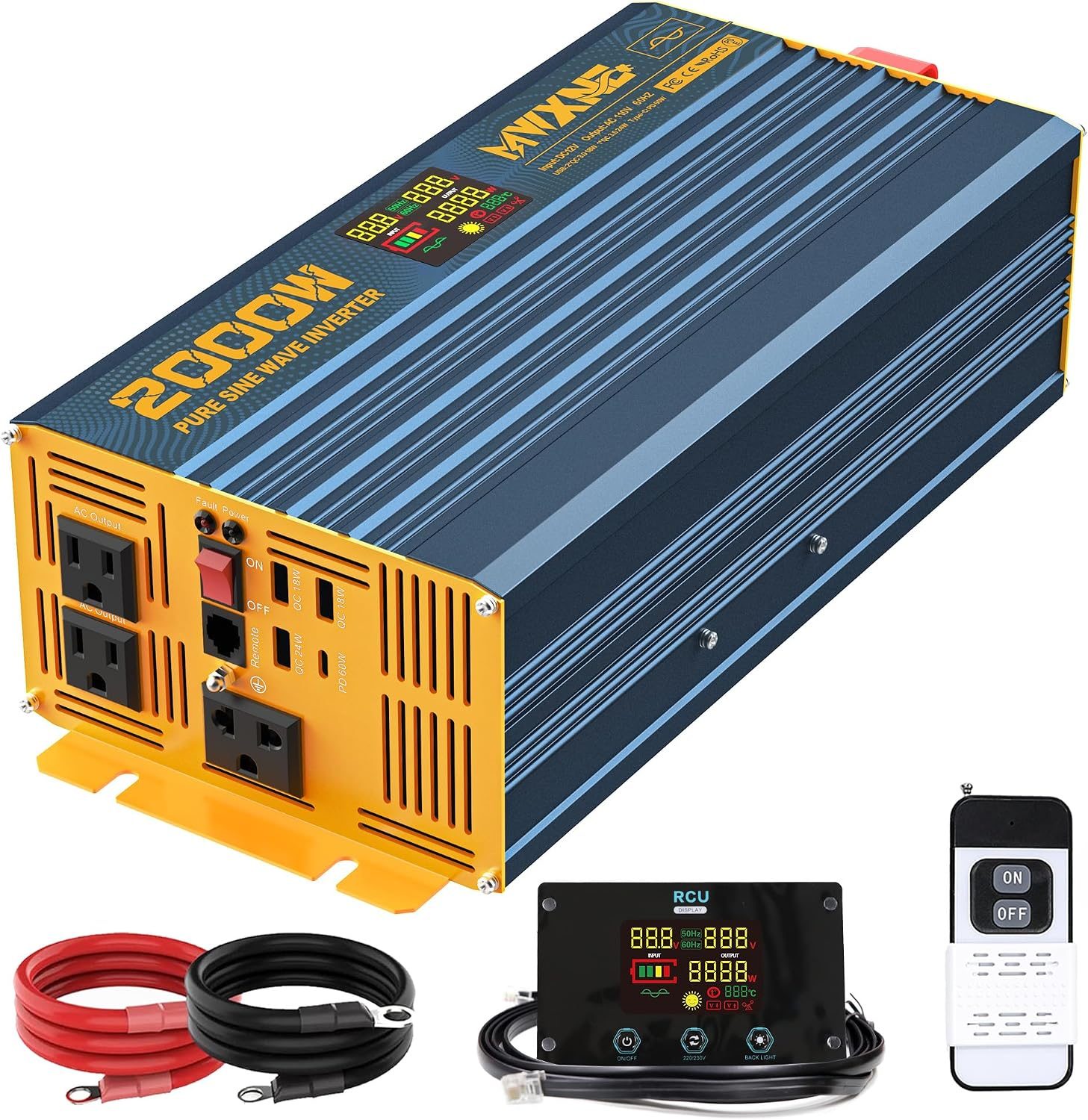
📷 Photo by amazon.com
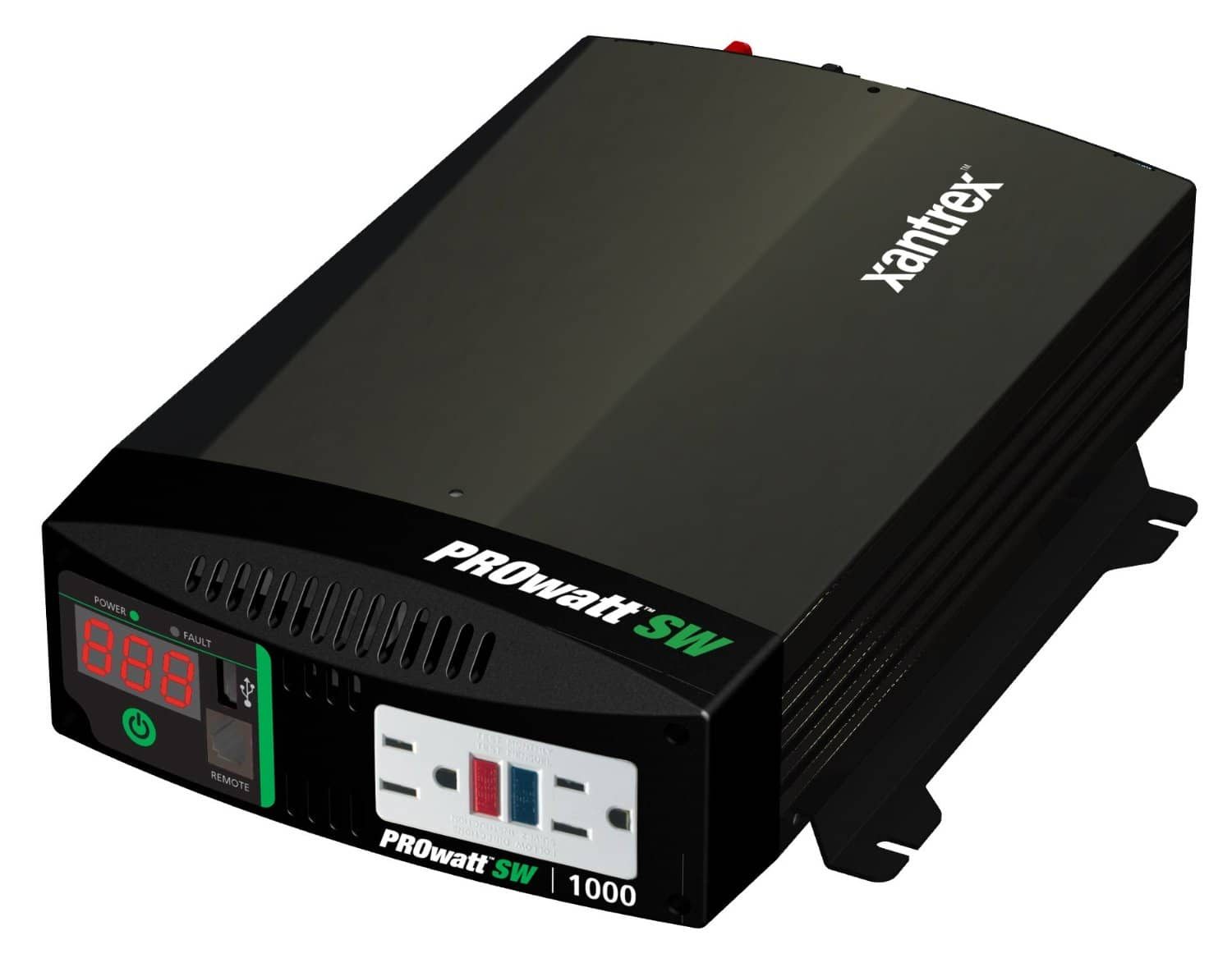
📷 Photo by wonderfulengineering.com
Ultimately, the decision rests on your specific electrical profile. If you prioritize portability, cost, and efficiency for basic electronics, the high-frequency inverter is your best bet. If you prioritize raw power, the ability to handle heavy motor loads, and long-term reliability in a fixed installation, invest in a low-frequency inverter.
📷 Photo by amazon.com