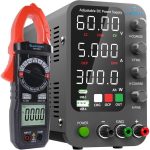
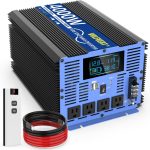



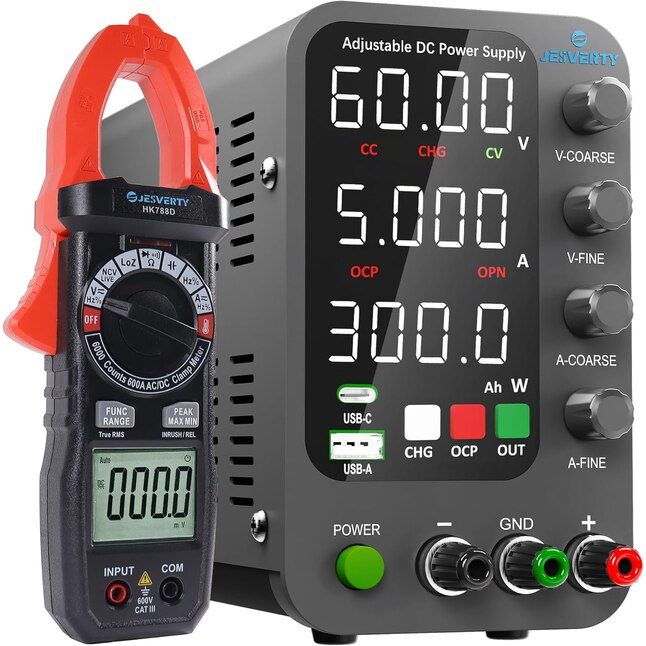
Vanonpower.com – Testing an inverter with a multimeter involves measuring the input DC voltage from the battery and the output AC voltage to verify if the unit is converting power correctly and operating within safe parameters. By checking these values against the inverter’s rated specifications, you can quickly determine if the device is functional, faulty, or suffering from a poor power connection.
Understanding the Basics of Inverter Testing
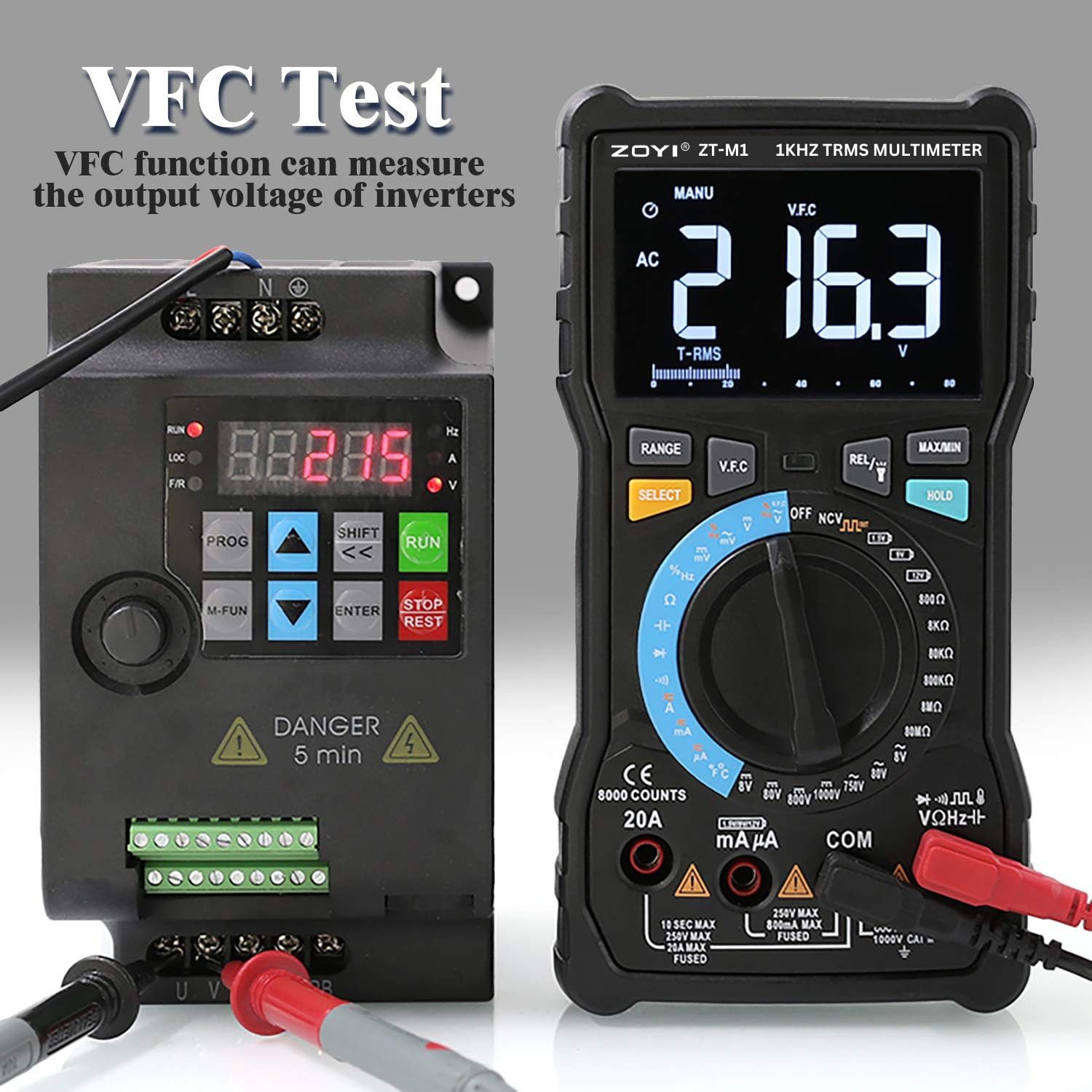
An inverter is a critical component in any off-grid or backup power system, responsible for converting Direct Current (DC) from batteries into Alternating Current (AC) for household appliances. Before you begin testing, ensure you are using a digital multimeter capable of measuring both DC voltage (for the battery side) and True RMS AC voltage (for the output side). Using a non-True RMS meter on an inverter output can often lead to inaccurate readings, especially if the inverter produces a modified sine wave rather than a pure sine wave.
Safety Precautions Before You Start
Electricity can be dangerous, especially when dealing with high-capacity battery banks and AC output voltages. Always wear protective eyewear and ensure your hands are dry. Remove any metal jewelry, such as rings or watches, to prevent accidental short circuits. If you are testing the AC output, treat the terminals as if they are live at all times. Never touch the metal probes of your multimeter while they are in contact with live power sources.
Step-by-Step Guide: Testing Your Inverter
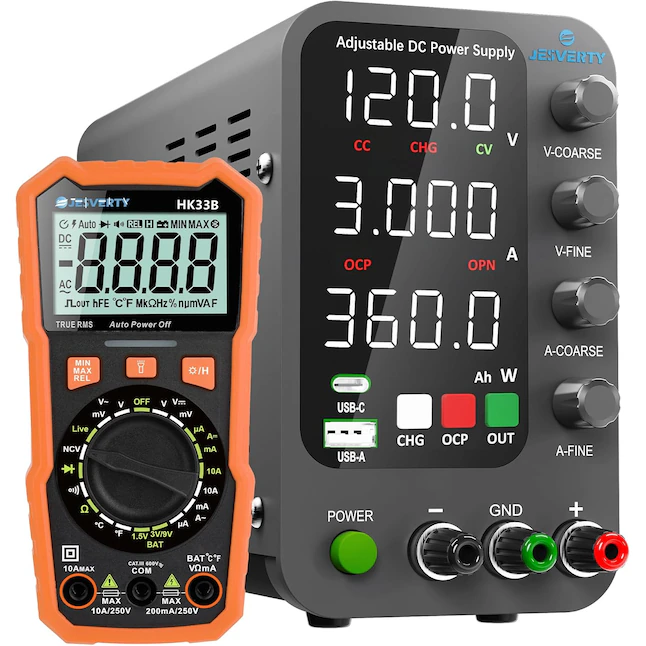
📷 Photo by lowes.com
Read also: Inverter Low Voltage Cutoff Settings for LiFePO4 Batteries
- Set your multimeter to the DC Voltage mode (usually marked with a V and a straight line with dots). Connect the red probe to the positive terminal and the black probe to the negative terminal of the inverter’s DC input. A healthy reading should match your battery bank’s voltage, typically 12V, 24V, or 48V.
- Turn on the inverter and observe the DC voltage reading. If the voltage drops significantly (more than 1-2 volts) when the inverter is turned on or under load, you likely have loose cable connections, corroded terminals, or a weak battery.
- Switch your multimeter to the AC Voltage mode (marked with a V and a wavy line). Carefully insert the probes into the inverter’s AC output socket. Ensure the probes do not touch each other, as this will cause a short circuit.
- Check the reading on your multimeter. A standard inverter should output between 110V and 120V (or 220V-240V depending on your region). If the reading is significantly lower or fluctuating wildly, the inverter’s internal circuitry may be failing.
- Test the inverter under a light load, such as a small lamp. If the voltage remains stable, try increasing the load gradually. If the voltage collapses under load, the inverter may have a failing capacitor or transformer.
Comparison of Common Inverter Issues
| Symptom | Likely Cause | Recommended Action |
|---|---|---|
| Zero DC Input Voltage | Blown fuse or tripped breaker | Check inline fuses and battery cables |
| Low AC Output Voltage | Battery voltage too low | Recharge battery bank |
| Inverter beeps/shuts down | Overload or short circuit | Reduce load and check appliances |
| Stable DC, No AC Output | Internal inverter fault | Contact manufacturer or repair center |
Common Mistakes and Diagnostic Tips
A frequent mistake users make is testing the AC output without any load connected. Some inverters utilize a “power save” or “search” mode, where they do not produce full output voltage until they detect a minimum load. If your meter reads 0V or a very low voltage, try plugging in a small device like a phone charger or a light bulb before taking your measurement.
Another common issue is voltage drop due to cable length. If your battery cables are too thin or too long, the inverter will receive less voltage than the battery is actually producing. This causes the inverter to trigger a “Low Voltage Alarm” prematurely. Always ensure your cables are of the correct gauge for the inverter’s wattage rating.
Risks of Improper Testing
Testing an inverter is not just about the numbers; it is about recognizing the signs of component stress. If you notice a burning smell, excessive heat from the chassis, or a buzzing sound, stop testing immediately. These are physical indicators of internal failure that a multimeter cannot fix. Never attempt to open the inverter casing unless you are a qualified technician, as the internal capacitors can hold a lethal electrical charge even when the unit is disconnected from the battery.
Frequently Asked Questions
Q: Why does my multimeter show a weird AC voltage when the inverter is off?
A: This is likely “ghost voltage” or induced voltage. Digital multimeters are very sensitive and can pick up electromagnetic interference from nearby wires, which does not represent actual usable power.
📷 Photo by manuals.plus
Q: Can I test the inverter output with a standard analog multimeter?
A: It is not recommended. Analog meters often lack the precision required for high-frequency AC outputs produced by inverters, and you may get inaccurate readings that lead you to believe the unit is broken when it is actually functioning perfectly.
Q: How often should I test my inverter?
A: For permanent installations like solar systems, a quarterly check is sufficient. If you use the inverter only for emergencies, test it every six months to ensure the internal components and batteries are still healthy and ready for use.
By following these systematic steps, you can confidently diagnose the health of your inverter. Remember that your multimeter is a diagnostic tool, not a repair device. If the readings consistently fall outside the manufacturer’s specified range despite proper input voltage, it is time to consider professional repair or a unit replacement to ensure the safety of your connected electronics.
📷 Photo by lowes.com