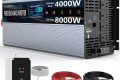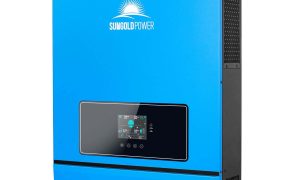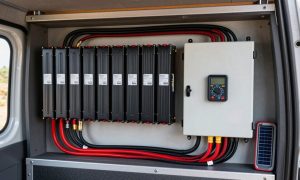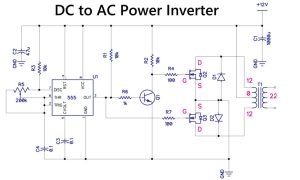
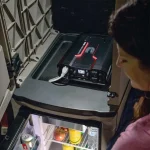
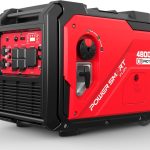
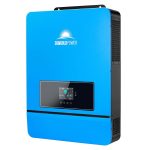


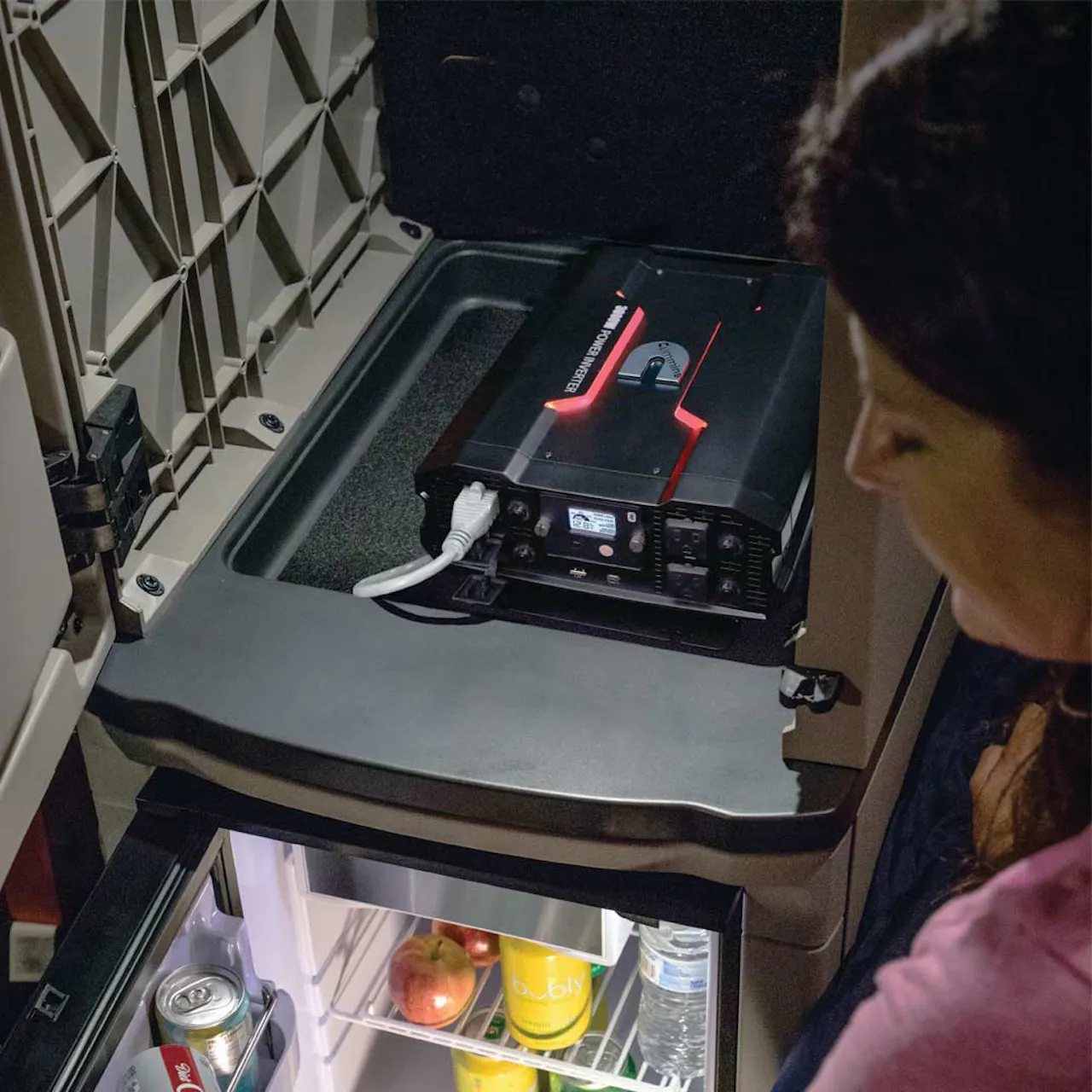
Vanonpower.com – A 500W inverter can technically run a domestic fridge, but only if it is a modern, energy-efficient model with a low starting surge, as most standard refrigerators require significantly higher wattage during the initial compressor startup.
Understanding the relationship between an inverter’s capacity and a refrigerator’s power consumption is critical for off-grid living or emergency backup systems. While a 500W inverter sounds substantial, the physics of refrigeration involves more than just the running wattage listed on the appliance label. Refrigerators operate using a compressor motor, which requires a momentary “surge” or “starting” power that is often three to five times higher than its continuous running wattage.
The Reality of Surge Power
When your fridge kicks on, the compressor motor needs a massive burst of energy to overcome inertia and start the cooling cycle. If your fridge is rated at 150 watts while running, it might pull 600 to 800 watts for a split second during startup. A 500W inverter will likely trigger an overload protection shutdown the moment the compressor tries to engage. If the inverter does not have a “peak” or “surge” rating high enough to handle this spike, the fridge will simply fail to start, potentially damaging the inverter’s sensitive electronics over time.
Factors Influencing Compatibility
Not all fridges are created equal. Older, non-inverter compressor models are notorious for high power spikes. Conversely, modern inverter-driven refrigerators (often found in newer high-end models) are designed to ramp up the compressor speed gradually, which significantly reduces the surge requirement. If you are planning to use a 500W inverter, you must check the technical specifications of your specific refrigerator model to ensure its startup surge falls within the inverter’s peak power capability.
Comparison of Refrigerator Types and Inverter Requirements
| Fridge Type | Running Wattage | Typical Surge Peak | 500W Inverter Suitability |
|---|---|---|---|
| Mini Fridge (Compact) | 50W – 100W | 200W – 300W | Highly Suitable |
| Standard Domestic Fridge | 120W – 200W | 600W – 1000W | Risky/Likely Fail |
| Inverter-Compressor Fridge | 80W – 150W | 150W – 250W | Suitable |
| Chest Freezer (Small) | 100W – 150W | 400W – 600W | Borderline |
Steps to Determine if Your Setup Will Work
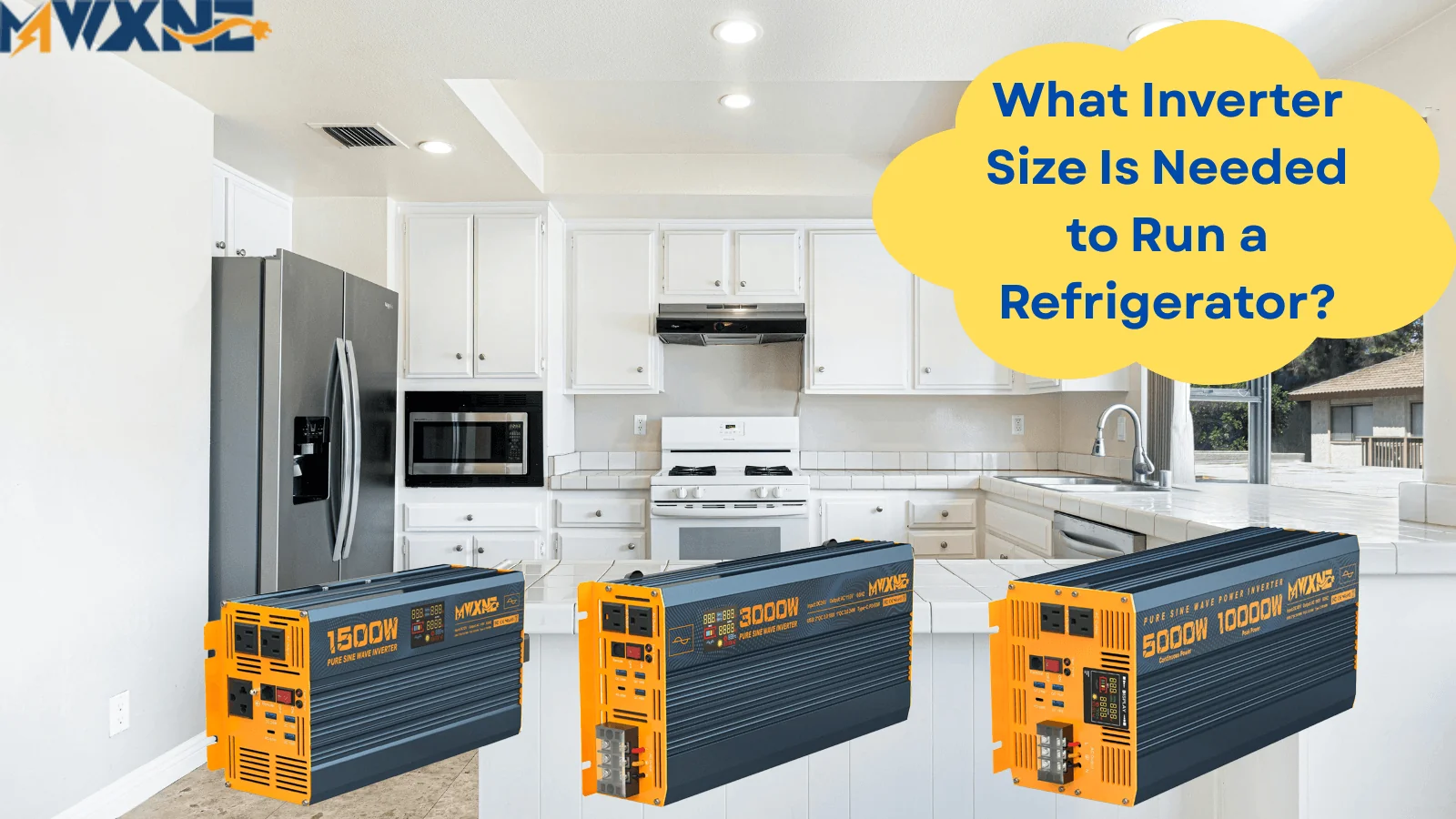
📷 Photo by mwxnepower.com
Before relying on a 500W inverter for your food storage, follow these steps to verify your specific hardware configuration:
- Locate the manufacturer’s label on the back or inside wall of your refrigerator to find the “Rated Power” or “Amperage.”
- Calculate the running watts by multiplying the volts (120V or 230V) by the amps if the wattage is not explicitly stated.
- Research the “LRA” (Locked Rotor Amps) value on the compressor label; this is the best indicator of the maximum surge power the unit will demand at startup.
- Check your inverter’s documentation for its “Peak” or “Surge” rating, not just its continuous rating.
- Perform a real-world test with a fully charged battery bank and a watt-meter plugged between the inverter and the fridge to monitor the peak draw during the first successful cycle.
Common Mistakes and Risks
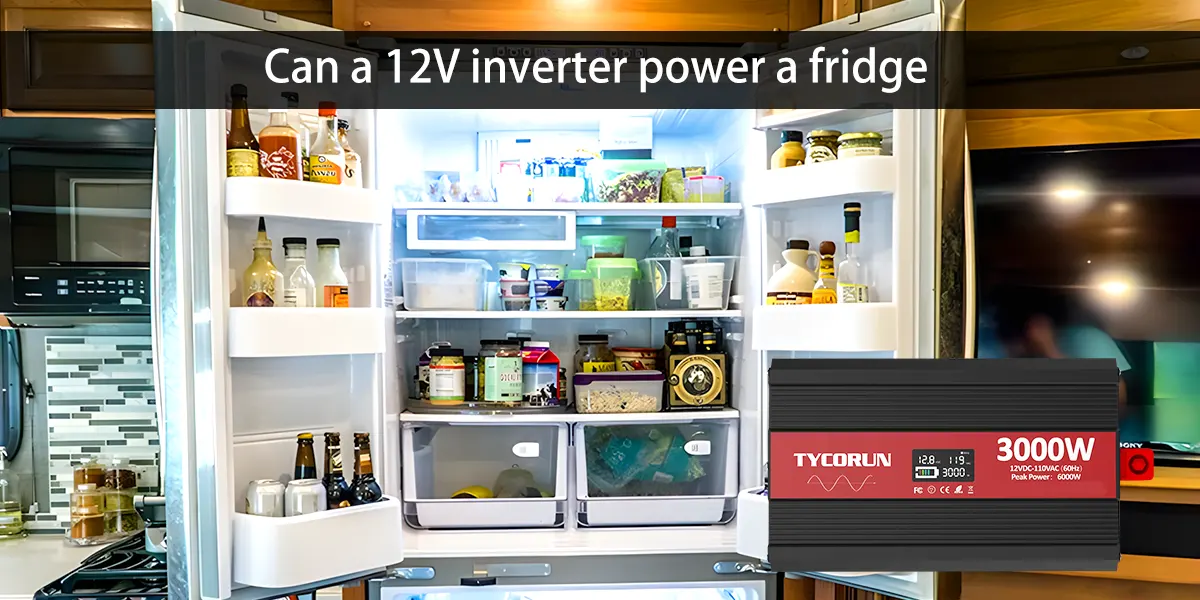
📷 Photo by tycorun.com
One common mistake is assuming that a 500W inverter is “enough” because the fridge label says 150W. This leads to frequent inverter shutdowns, which can be frustrating and potentially spoil food. Another frequent error is using an inexpensive “Modified Sine Wave” inverter. Refrigerators use inductive motors that often hum, overheat, or fail prematurely when powered by modified sine wave electricity. Always use a “Pure Sine Wave” inverter to ensure the longevity of your appliance’s motor.
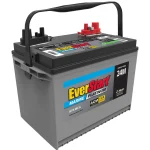
Furthermore, battery capacity is often overlooked. A 500W inverter will drain a small 12V battery very quickly if the fridge runs frequently. If the battery voltage drops too low under the load of the fridge compressor, the inverter will cut power to protect the battery, even if the inverter itself has enough overhead to handle the surge. Ensure your battery bank has sufficient “C-rating” to handle the high-amperage discharge required during the fridge startup.
Practical Tips for Success
If you find that your 500W inverter is struggling, there are a few adjustments you can make. Keep the refrigerator coils clean; dirty coils force the compressor to work harder and run longer, increasing the likelihood of an overload. Additionally, keep the fridge as full as possible, as the thermal mass of cold items helps maintain temperature, reducing the frequency of compressor cycles. If you are living off-grid, consider upgrading your inverter to a 1000W or 1500W model to provide a safer buffer for the compressor surge.
Q: Can I use a 500W inverter for a large double-door refrigerator?
A: No, a 500W inverter is generally insufficient for large, modern refrigerators, especially those with ice makers or water dispensers, as these features significantly increase power consumption and surge requirements.
Q: What happens if the inverter is too small for the fridge?
A: The inverter will likely enter a protection mode and shut down immediately when the compressor tries to start. Repeated attempts can damage both the inverter’s internal switching transistors and the refrigerator’s compressor motor.
Q: Is a pure sine wave inverter necessary?
A: Yes, it is highly recommended. Refrigerators contain sensitive electronic controllers and inductive motors that require clean power to operate efficiently without overheating or producing excessive noise.
Ultimately, while a 500W inverter can work for smaller or highly efficient cooling units, it is rarely the ideal choice for a standard domestic kitchen refrigerator. Always prioritize a higher surge rating and pure sine wave technology to ensure your food stays cold and your equipment remains operational.
📷 Photo by raneystruckparts.com