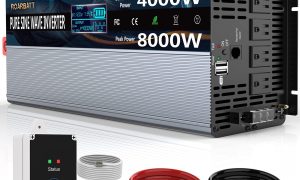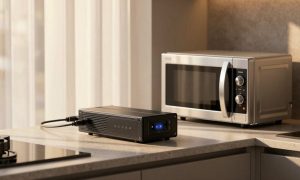


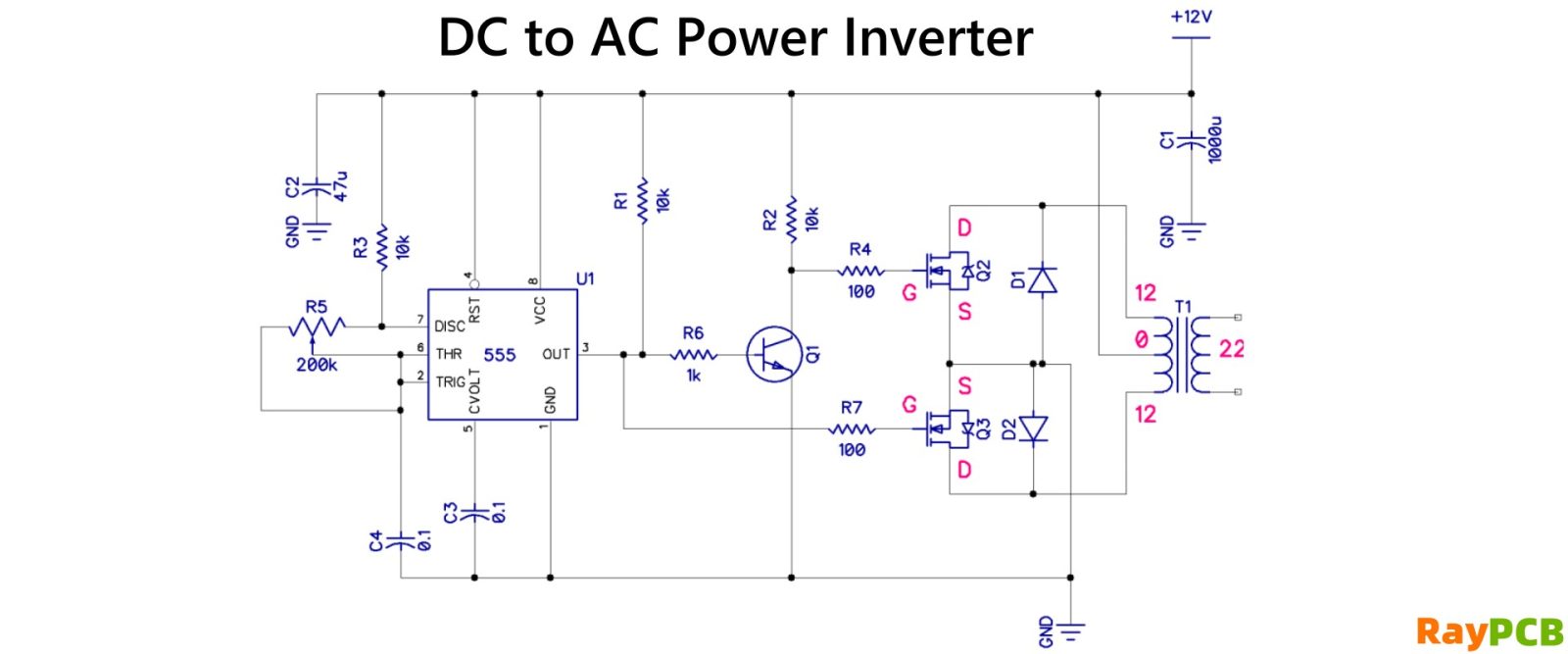
Vanonpower.com – Inverter efficiency loss typically ranges from 5% to 15% during the DC to AC conversion process, meaning that for every 100 watts of DC power consumed from your battery, you can realistically expect to receive between 85 and 95 watts of usable AC power.
Energy conversion is never 100% efficient due to the laws of thermodynamics. When an inverter transforms Direct Current (DC) from a battery bank into Alternating Current (AC) for household appliances, energy is inevitably lost as heat. This phenomenon is known as conversion loss, and understanding it is critical for anyone designing off-grid solar systems, RV power setups, or emergency backup configurations.
The Mechanics of Conversion Loss
The primary reason for power loss in an inverter is the internal resistance of its electrical components. As current flows through transistors, transformers, and capacitors, these parts generate heat. This thermal energy is essentially wasted power that was pulled from your battery but never reached your appliances.
Another significant factor is the inverter’s “idle consumption” or “no-load current.” Even when no appliances are plugged in or turned on, the inverter draws a small amount of power just to keep its internal circuitry alive and monitoring for load. If you are running small, low-wattage devices on a massive inverter, the percentage of power lost to idle consumption becomes disproportionately high, leading to extremely poor system efficiency.
Factors Influencing Inverter Efficiency
Not all inverters perform equally. Several variables dictate how much power you lose during the conversion process:
- Load Percentage: Inverters are most efficient when operating at 50% to 80% of their rated capacity. Efficiency drops significantly when the inverter is running at very low loads or near its maximum peak capacity.
- Inverter Quality: Pure Sine Wave inverters generally offer cleaner power and better efficiency than Modified Sine Wave units, though high-end engineering plays a larger role than the waveform type alone.
- Input Voltage: Using a 24V or 48V battery system is generally more efficient than a 12V system because lower current is required to achieve the same wattage, resulting in less resistive heating in cables and internal components.
- Operating Temperature: Extreme heat forces internal cooling fans to run constantly, which consumes additional power and decreases overall system efficiency.
Comparing Efficiency Scenarios
The following table illustrates how different load levels impact the effective power output of a standard 2000W inverter.
| Load Level | DC Input (Watts) | Inverter Efficiency | Usable AC Output (Watts) |
|---|---|---|---|
| Low (10%) | 250W | 80% | 200W |
| Medium (50%) | 1100W | 91% | 1000W |
| High (90%) | 2150W | 88% | 1892W |
Steps to Optimize Your Power System
To minimize energy waste and maximize the longevity of your battery bank, follow these practical steps to optimize your conversion setup:
- Match Inverter Size to Load: Avoid using a 5000W inverter to power a single laptop charger. Select an inverter size that places your average daily load within the 50-75% efficiency sweet spot.
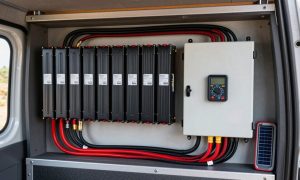
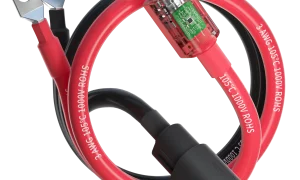
- Minimize Cable Lengths: Keep the DC cables between your battery and inverter as short and thick as possible to prevent voltage drop and resistive heat loss.
- Optimize Ventilation: Ensure the inverter is installed in a cool, dry, and well-ventilated area to allow the heat sink to function effectively without relying heavily on internal fans.
- Use DC Appliances When Possible: If you are off-grid, consider running lighting or charging devices directly from DC sources (like USB ports or 12V outlets) to bypass the inverter entirely and eliminate conversion loss.
- Perform Regular Maintenance: Dust and debris can clog cooling vents and cause the unit to overheat, forcing the electronics to work harder and lose more energy.
Common Mistakes to Avoid
Many users make the mistake of assuming that an inverter’s “Peak Efficiency” rating applies to all conditions. In reality, that number is often a best-case scenario achieved under laboratory conditions. Overloading an inverter not only causes massive efficiency losses but can also trigger thermal protection shutdowns, which can be catastrophic if you are relying on critical medical or communication equipment.
Another frequent error is ignoring the “Standby” power draw. If you leave your inverter on 24/7, it could consume several hundred watt-hours per day just in idle draw. Always use a remote switch or a hard-wired breaker to turn off the inverter when you do not need AC power.
Frequently Asked Questions
Q: Does a Pure Sine Wave inverter consume more power than a Modified Sine Wave inverter?
A: Generally, no. While Pure Sine Wave inverters are more complex, they are often designed with higher-quality components that make them just as efficient, if not more so, than Modified Sine Wave units.
Q: Why does my inverter get hot even when I am not using much power?
A: It is likely due to high ambient temperatures or blocked cooling vents. If the inverter is placed in an enclosed space without airflow, it cannot dissipate the heat generated by its internal components, leading to a feedback loop of reduced efficiency.
Q: Should I always buy the largest inverter possible to be safe?
A: No, that is a common misconception. An oversized inverter will have higher idle power consumption and lower efficiency at light loads, which will drain your batteries significantly faster than a properly sized unit.
By carefully selecting your equipment and maintaining an optimal operating environment, you can mitigate the inevitable losses associated with DC to AC conversion. Focus on matching your hardware to your actual consumption patterns, and you will see a measurable improvement in your system’s total runtime.
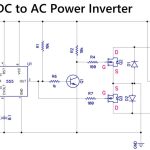
📷 Photo by circuitdiagram.co