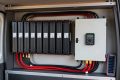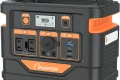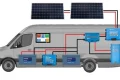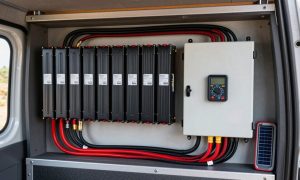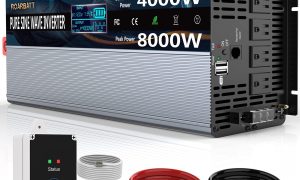



Vanonpower.com – A power inverter does not drain the battery when it is physically turned off via the power switch, but it may still consume a tiny amount of “standby” current if it remains hardwired to the battery terminals.
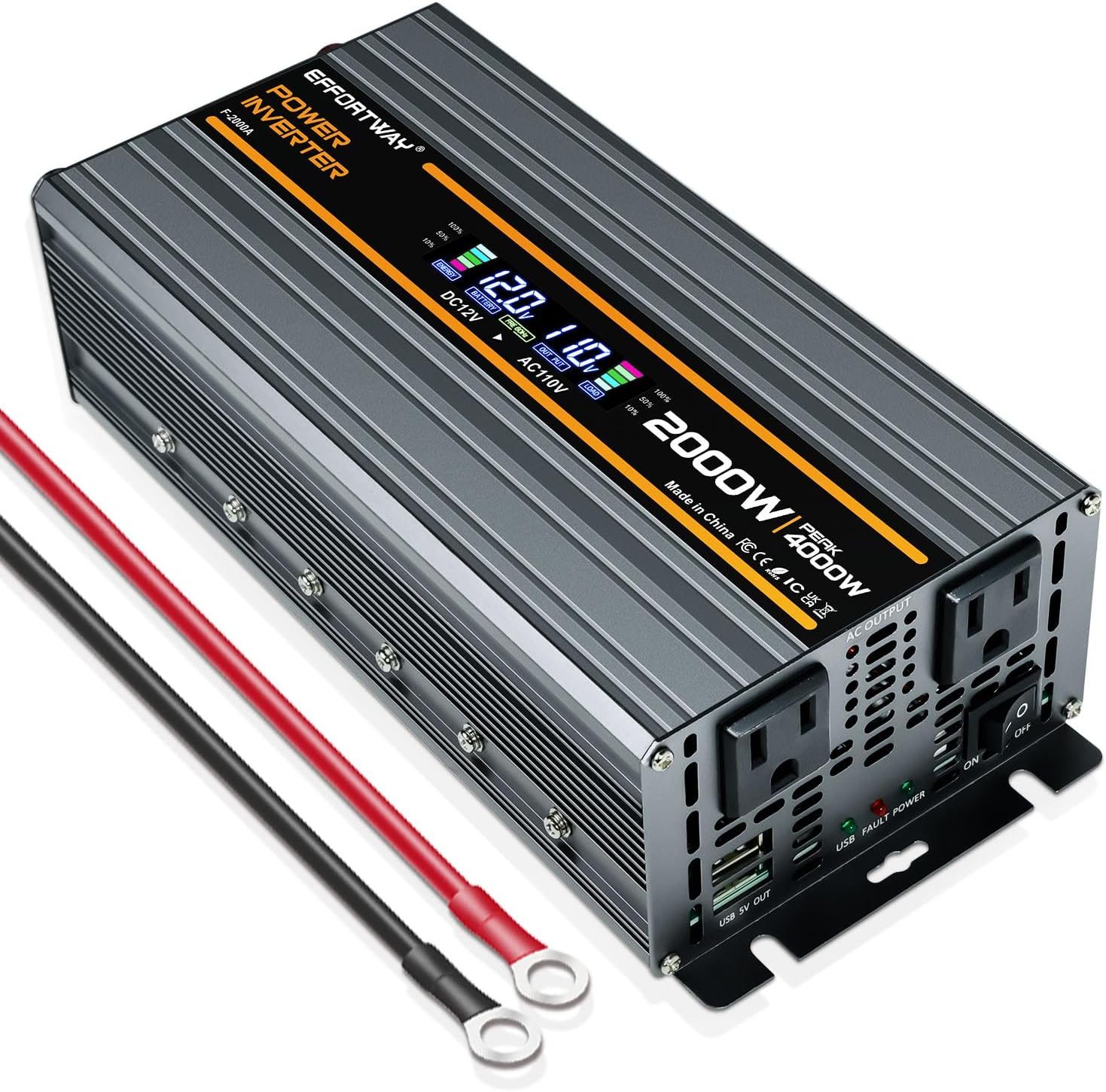
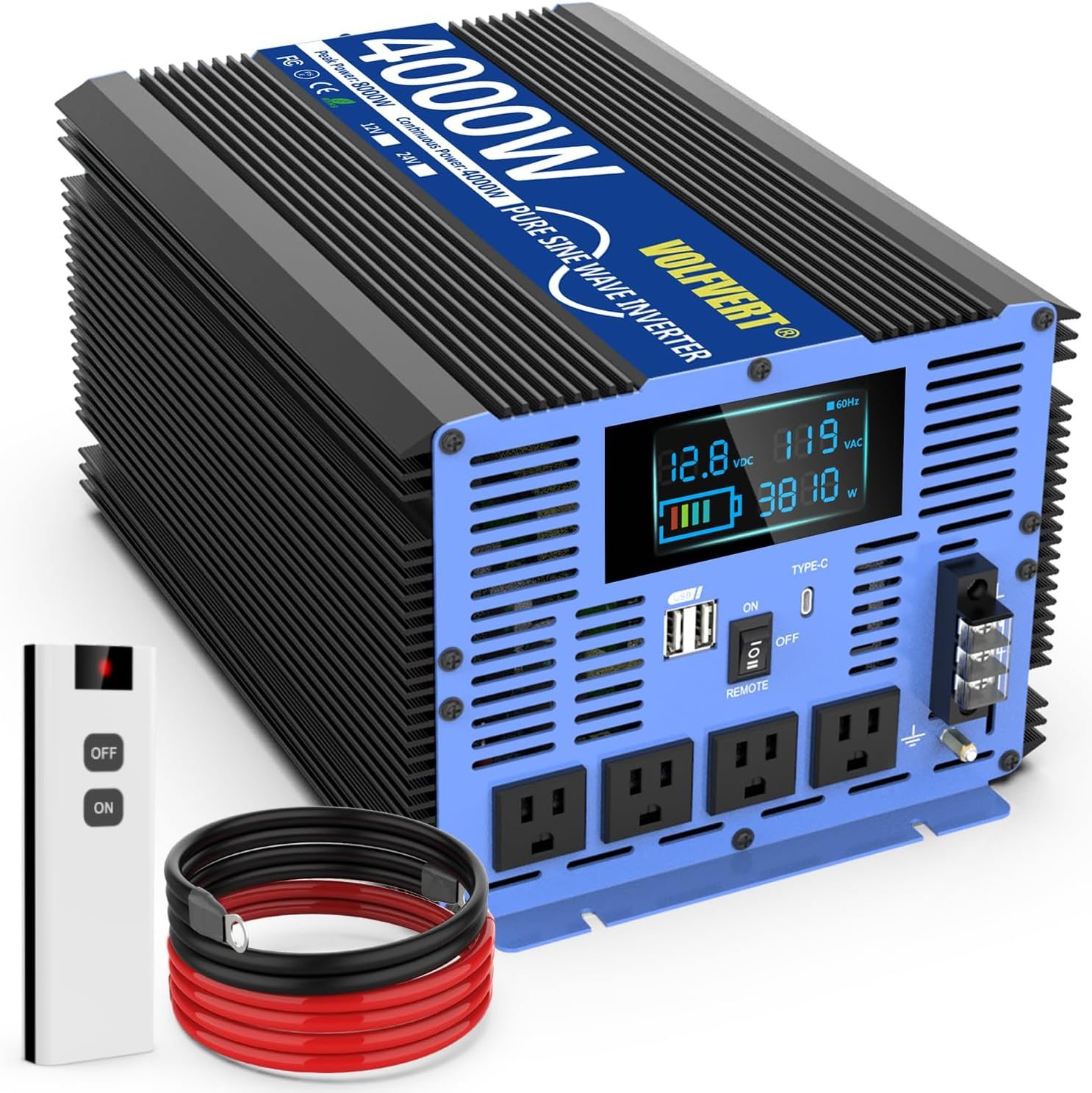
Many users assume that an inverter is a completely passive device once the switch is flipped to the off position. However, the reality of power electronics is more nuanced. While the main conversion circuit is deactivated, the internal control circuitry often stays energized to monitor for a remote signal or to keep the internal microprocessor ready for a quick startup.
📷 Photo by tiendamia.cr
Understanding Parasitic Draw in Inverters
Most modern power inverters are equipped with a standby mode. This feature allows the unit to detect when an appliance is plugged in or when a remote switch is activated. Because this monitoring requires a constant, albeit minuscule, flow of electricity, the inverter is technically never truly “dead” as long as it is connected to a battery. This phenomenon is known as parasitic draw.
In most high-quality inverters, this idle current is negligible—often measuring in the range of a few milliamperes. For a large deep-cycle battery bank, this drain is so slow that it would take months or even years to discharge the battery significantly. However, if the inverter is left connected for an extended storage period without a solar charger or trickle maintainer, that small current can eventually lead to a dead battery.
Factors That Influence Battery Drain
Not all inverters are created equal. The internal design of the unit plays a massive role in how much power it consumes while idling or switched off. Cheap, low-quality inverters often lack efficient power management circuits, leading to a much higher “vampire” draw than premium models.
Additionally, the condition of your battery plays a part. A lead-acid battery naturally self-discharges over time. When you combine natural self-discharge with a small parasitic load from an inverter, the battery will reach a dangerously low state of charge much faster than it would on its own. This is why seasonal storage of vehicles or RVs requires careful disconnection of all electrical loads.
| Inverter State | Power Consumption Level | Battery Impact |
|---|---|---|
| Switched ON (No Load) | Moderate (Idle current) | Noticeable discharge over days |
| Switched OFF (Hardwired) | Very Low (Parasitic) | Negligible discharge over weeks |
| Disconnected (Terminal removed) | Zero | None (Self-discharge only) |
How to Properly Manage Your Inverter Connection
If you are planning to store your vehicle, boat, or solar setup for more than a few weeks, relying solely on the inverter’s “off” switch is not the safest practice. To ensure your battery remains healthy and fully charged, follow these practical steps:
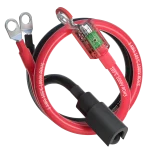
- Locate the positive battery terminal or the main inline fuse connected to your inverter.
- Ensure the inverter is turned off using its physical switch first to prevent sparking when disconnecting.
- Physically remove the connection from the battery terminal or pull the main disconnect switch.
- Use a multimeter to verify that no voltage is reaching the inverter input cables.
- If the system must remain connected, install a high-quality battery maintainer or solar charge controller to offset the parasitic draw.
Risks of Leaving an Inverter Connected
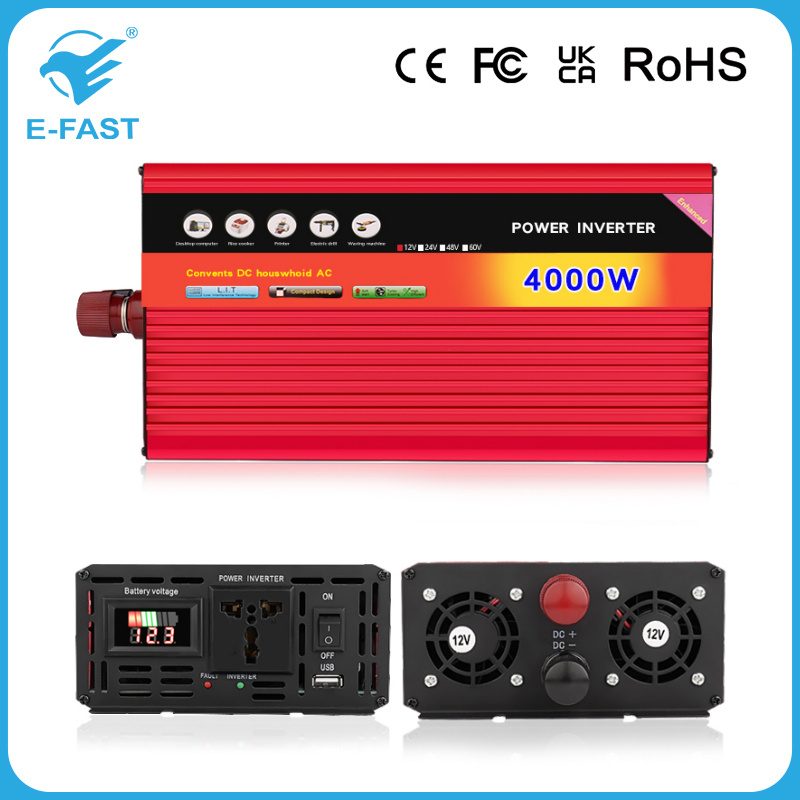
The primary risk of leaving an inverter connected to a battery during long-term storage is deep discharge. Lead-acid batteries, particularly AGM and flooded types, suffer permanent capacity loss if they are allowed to drop below 50 percent charge for extended periods. If the inverter consumes even a small amount of power, it accelerates this chemical degradation.
Another risk involves voltage spikes. If you are charging the battery with an external source while the inverter is still physically connected, any instability in the charging process could potentially damage the sensitive internal components of the inverter. Isolating the inverter during maintenance or charging is a standard safety protocol in professional electrical installations.
📷 Photo by e-fast.en.made-in-china.com
Common Mistakes to Avoid
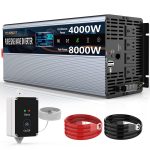
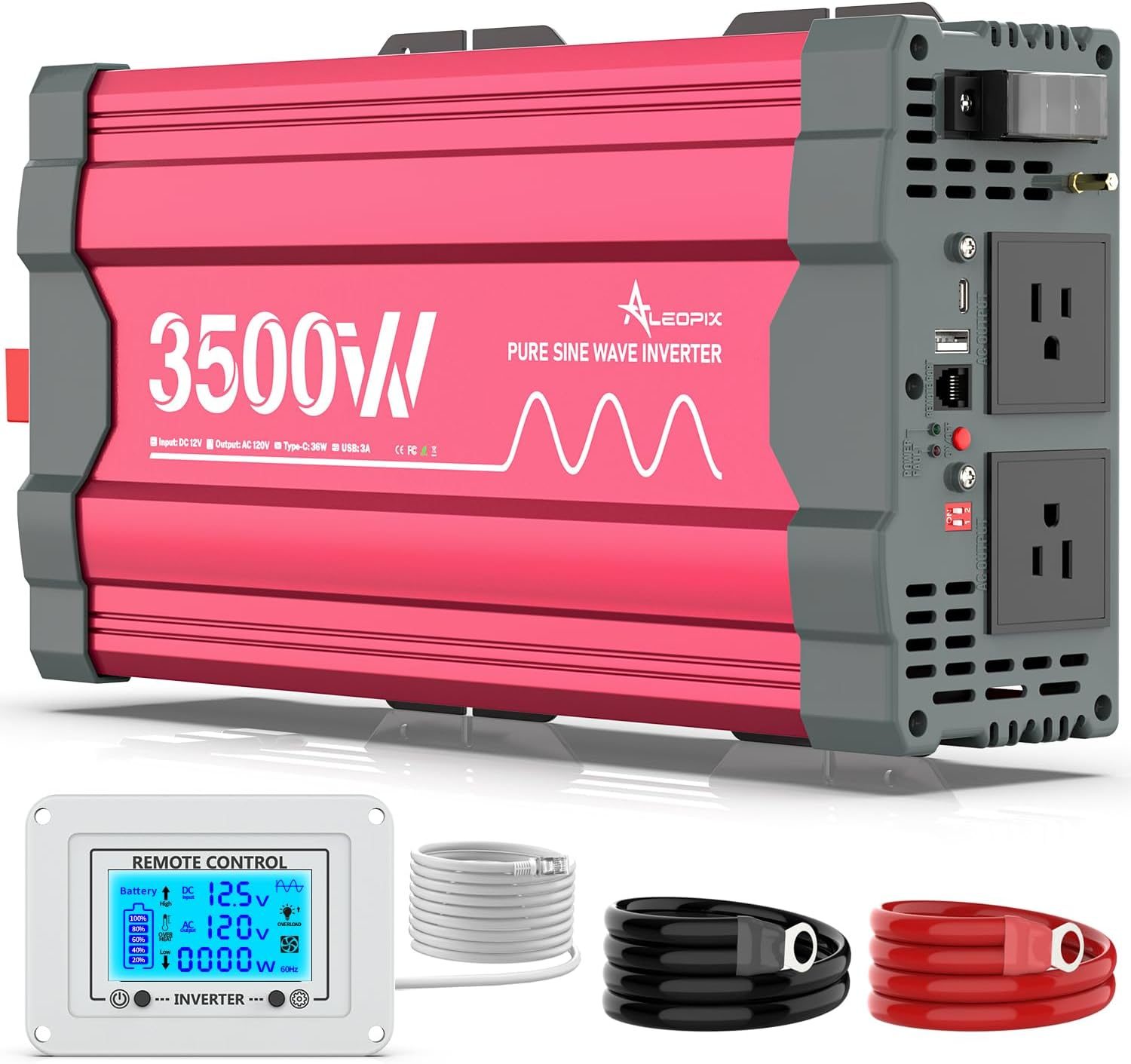
One common mistake is assuming that a remote control panel for an inverter keeps the unit fully off. Remote panels are often powered by the inverter itself, meaning the inverter must remain in a “standby” mode to listen for the remote signal. This mode consumes more power than the inverter’s manual “off” setting. If you are parking your RV for the winter, do not trust the remote panel to kill the power; always use a physical disconnect switch.
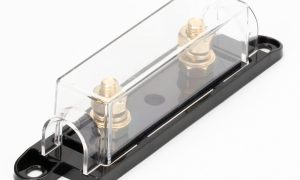
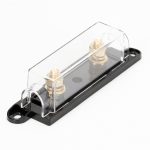
Another error is failing to fuse the connection between the battery and the inverter. A fuse does not stop the parasitic draw, but it provides a critical safety point. If the inverter develops an internal short while you are away, the fuse will prevent a fire, even if the unit was switched off.
FAQ: Inverter Battery Management
Q: Will my inverter kill my car battery overnight if I leave it plugged in?
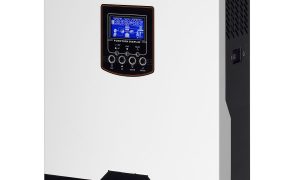
📷 Photo by manuals.plus
A: If the inverter is switched off, it is highly unlikely to drain your battery overnight. However, if it is switched on even without a load, the internal cooling fans and control circuits can drain a standard starting battery in a matter of days.
Q: Is it better to disconnect the battery or use a battery tender?
A: Both are excellent options. Disconnecting the battery is the safest way to prevent any electrical drain, while a battery tender is ideal if you want to keep the battery charged and ready for immediate use without having to reconnect cables.
Q: Does the size of the inverter affect the standby draw?
A: Yes, generally speaking, larger inverters (e.g., 3000W+) have more complex control boards and larger capacitors that may require more power to maintain a standby state compared to smaller 300W units.
In summary, while turning the switch off is sufficient for daily use, physical disconnection is the only way to guarantee zero battery drain during long-term storage. Always prioritize battery health by eliminating unnecessary loads whenever the equipment is not in use for extended periods.
📷 Photo by manuals.plus