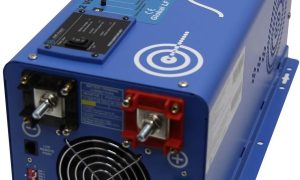
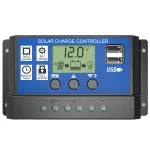
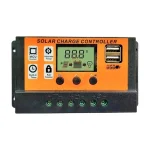


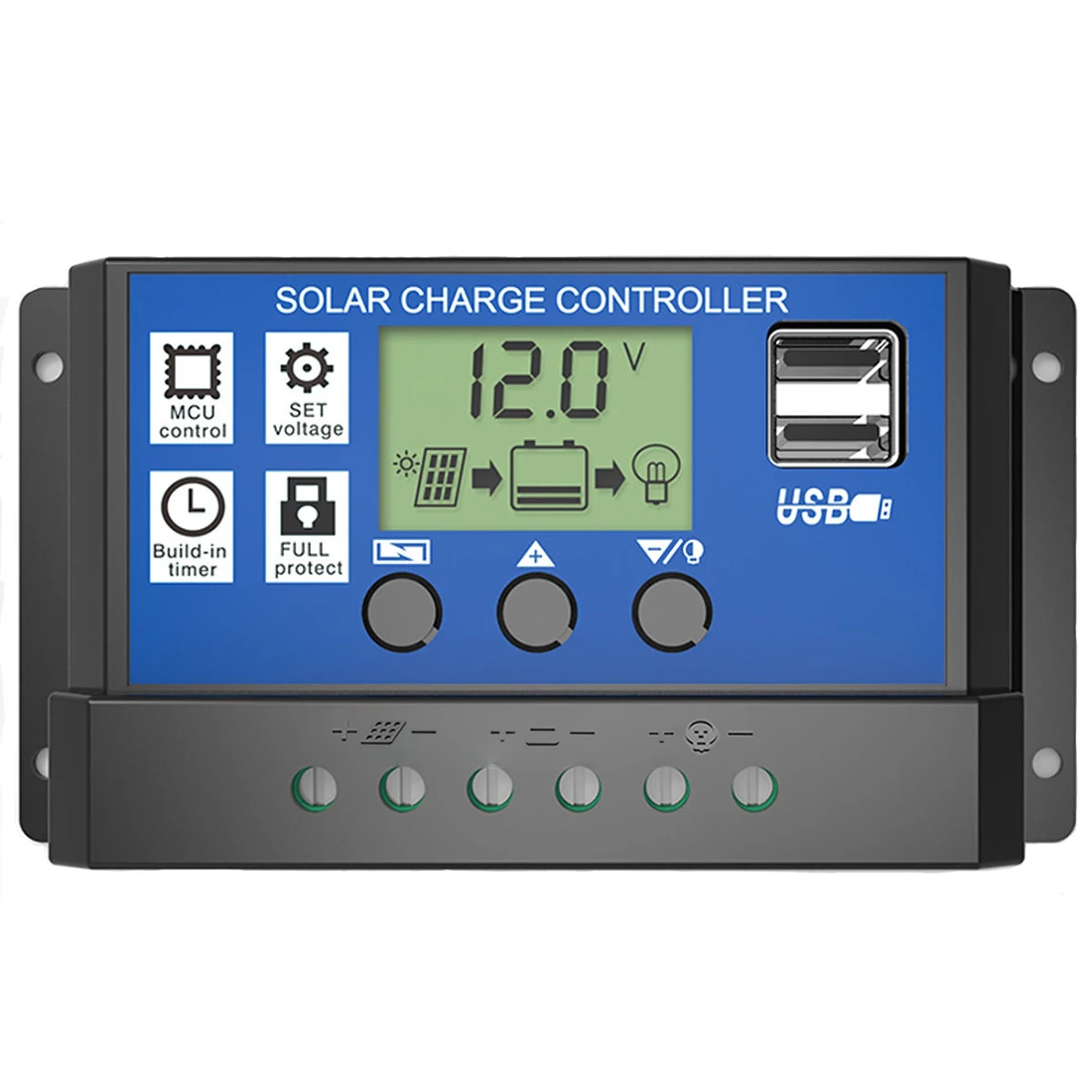
Vanonpower.com – Yes, you can connect two charge controllers to the same battery bank, provided they are configured correctly to manage the charging stages and prevent interference with each other’s voltage sensing.
Managing a solar power system often requires scaling up as your energy needs grow. When you add more solar panels to an existing setup, you might find that your current charge controller has reached its maximum input capacity. Instead of discarding the old controller, adding a second unit is a common and effective way to expand your solar array. However, this setup requires careful planning to ensure the system remains balanced and safe.
How Multiple Controllers Interact
The primary concern when paralleling charge controllers is how they communicate with the battery bank. Most modern Maximum Power Point Tracking (MPPT) or Pulse Width Modulation (PWM) controllers use a multi-stage charging process: Bulk, Absorption, and Float. When two controllers are connected to the same battery bank, they both monitor the battery voltage to determine which charging stage to initiate.
If both controllers are set to the same voltage parameters, they will generally work in harmony. As the battery voltage rises, both controllers will transition through the stages together. The risk arises if the controllers have slightly different voltage settings due to calibration differences or manufacturer variations. In such cases, one controller might enter the Float stage while the other is still in Absorption, potentially causing the system to behave erratically.
Compatibility and Setup Considerations
To avoid damaging your batteries, ensure that both charge controllers are compatible with your specific battery chemistry—whether it is Lithium Iron Phosphate (LiFePO4), AGM, or Flooded Lead-Acid. Mixing controller types, such as one MPPT and one PWM, is technically possible, but it is highly recommended to use two identical units or at least two controllers from the same manufacturer that share similar charging algorithms.
Another critical factor is the total charging current. Even if you use two controllers, the total current output must not exceed the maximum recommended charge rate of your battery bank. Charging a battery too quickly can lead to overheating, shortened lifespan, or even catastrophic failure. Always consult your battery manufacturer’s datasheet to determine the maximum continuous charge current.
Comparison of Controller Configurations
| Feature | Single Controller Setup | Dual Controller Setup |
|---|---|---|
| System Complexity | Low | Moderate |
| Redundancy | None | High (if one fails, one remains) |
| Wiring Requirements | Simple | Requires careful busbar sizing |
| Scalability | Limited | High |
Step-by-Step Installation Guide
Follow these steps to safely integrate a second charge controller into your existing solar power system:
- Disconnect all solar panels from the existing charge controller to ensure no power is flowing during the installation process.
- Install the second charge controller in close proximity to the first one, ensuring adequate ventilation and space for heat dissipation.
- Connect the battery terminals of the second controller to the main battery bank using appropriately sized cables, ideally running them to a common busbar rather than directly to the battery terminals to maintain balanced voltage sensing.
- Configure the settings on the second controller to match the charging profile of the first unit exactly, ensuring the absorption and float voltages are identical.
- Connect the solar panel array to the input terminals of the second charge controller.
- Verify that the total current output from both controllers does not exceed the battery’s maximum charge rating.
- Turn on the system and monitor the controllers for at least 30 minutes to ensure they are both reporting the correct battery voltage and transitioning through charging stages as expected.
Common Mistakes to Avoid
One of the most frequent errors is using thin-gauge wiring for the connection between the controllers and the battery. Because you are essentially doubling the potential current flowing into the bank, you must ensure that your busbars and cables are rated for the combined amperage. Undersized wiring can lead to voltage drops, which confuse the controllers and result in inefficient charging.
Another common mistake is neglecting the use of fuses or circuit breakers. Each charge controller should have its own dedicated overcurrent protection on both the input (solar) and output (battery) sides. This ensures that if one controller develops a fault, it will not damage the other controller or the entire battery bank.
Risks of Improper Configuration
If you fail to synchronize the voltage settings, you may experience “cycling,” where one controller keeps turning on and off because the other controller has raised the battery voltage high enough to trigger a stage change. This not only reduces efficiency but can also cause premature wear on the controller’s internal components. Additionally, always check if your controllers have a “remote temperature sensor” feature. If they do, both controllers should ideally be connected to the same sensor, or the temperature compensation settings should be disabled if they cannot be synchronized, as conflicting temperature adjustments can lead to overcharging.
Frequently Asked Questions
Q: Do I need to use the same brand of charge controller?
A: While using the same brand and model is highly recommended for consistency, it is not strictly required. As long as you can manually program identical voltage setpoints into both units, they should function correctly together.
Q: Can I connect both controllers directly to the battery terminals?
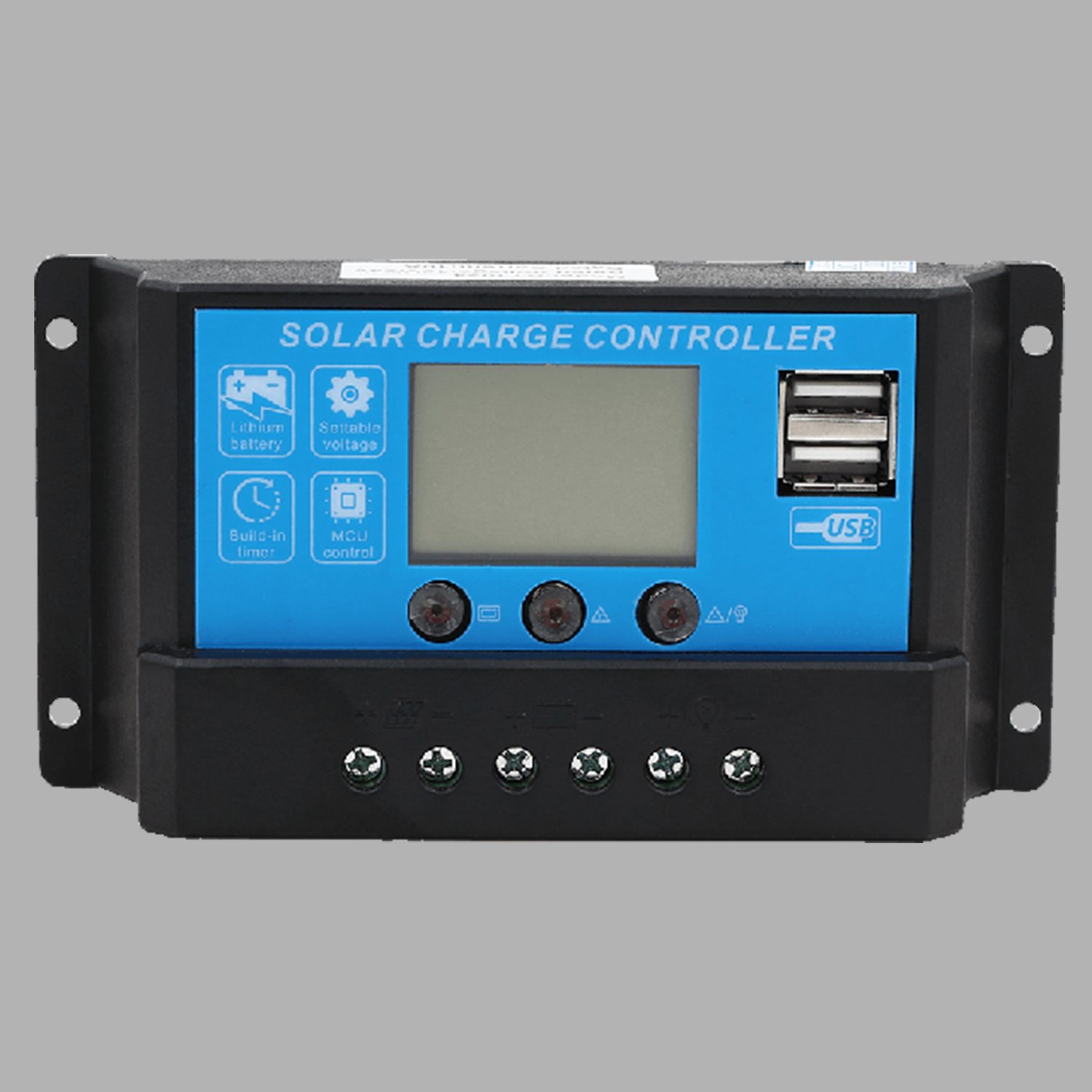
📷 Photo by enyasa.com
A: While possible, it is better practice to use a common busbar. This ensures that both controllers “see” the same voltage, preventing one controller from thinking the battery is fully charged while the other still detects a lower voltage.
Q: Will using two controllers increase my solar yield?
A: Yes, if your previous single controller was undersized or clipping the power from your panels, adding a second controller allows you to capture the full energy potential of your array, which is particularly beneficial during peak sun hours.
By following these guidelines, you can effectively expand your solar capacity without compromising the health of your battery bank. Always prioritize safety by using correct wire sizing and proper overcurrent protection, and take the time to calibrate your controllers to ensure they act as a unified system.
📷 Photo by place.sustainableoverlook.org