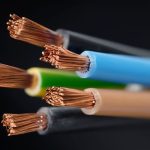
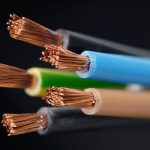


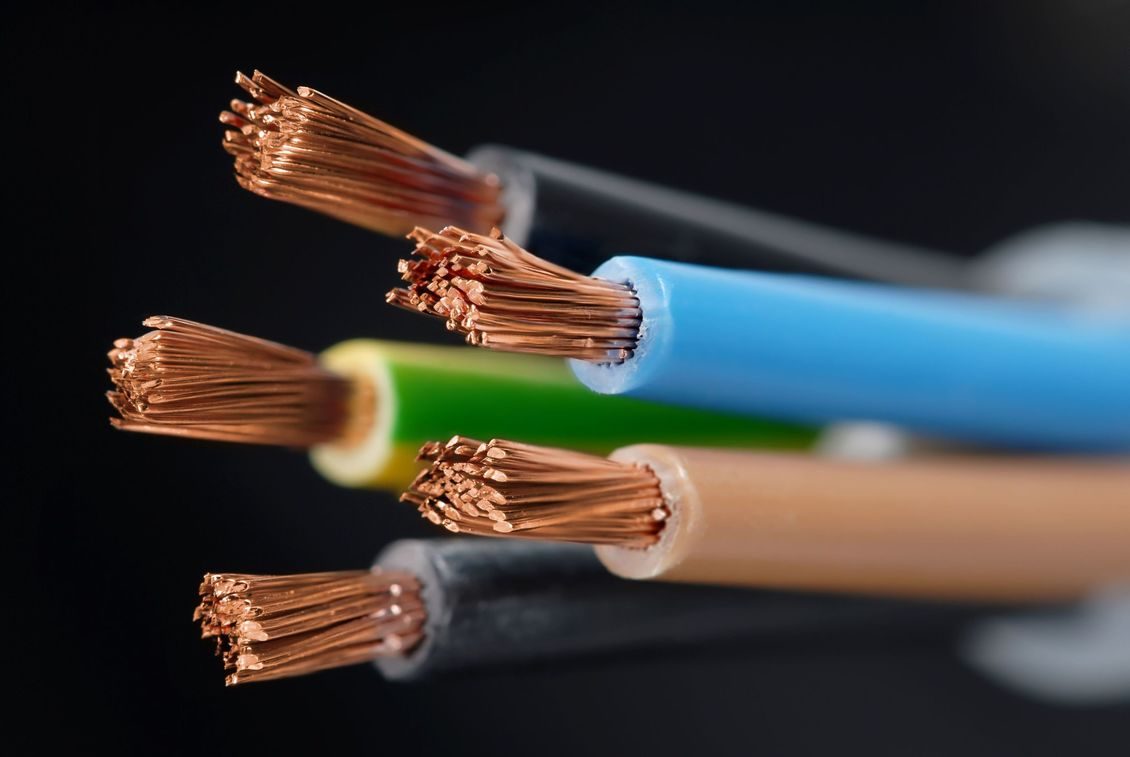
Vanonpower.com – Using an AWG wire sizing chart for DC off-grid systems is essential to determine the minimum wire thickness required to carry electrical current safely while minimizing voltage drop and preventing overheating. By matching your system’s amperage and wire length to the correct gauge, you ensure optimal energy efficiency and fire safety in your solar or battery setup.
Understanding the Importance of Wire Sizing
In DC off-grid systems, such as solar power arrays or battery banks, wire sizing is not just about convenience; it is a critical safety requirement. Unlike AC household wiring, DC systems often operate at lower voltages, which makes them highly susceptible to voltage drops over distance. When a wire is too thin for the current it is carrying, its internal resistance causes energy to be converted into heat rather than reaching your appliances or batteries.
This heat buildup is the primary cause of electrical fires in off-grid cabins and RVs. Furthermore, a significant voltage drop means your devices may operate inefficiently or fail to charge completely. Choosing the correct American Wire Gauge (AWG) size acts as the foundation for a reliable, long-lasting power system.
Key Factors Influencing Your Choice
To select the right wire, you must account for three primary variables: the maximum current (amperage) the wire will carry, the total round-trip distance of the circuit, and the acceptable percentage of voltage drop. Most off-grid professionals recommend keeping the voltage drop below 3% for critical equipment and below 5% for non-critical loads like interior lighting.
The following table provides a general reference for common wire gauges used in 12V systems. Always verify these values against your specific equipment manuals and local electrical codes.
| AWG Size | Max Amps (Chassis Wiring) | Max Amps (Power Transmission) | Typical Application |
|---|---|---|---|
| 14 AWG | 20A | 15A | LED Lighting/Sensors |
| 12 AWG | 25A | 20A | Small DC Appliances |
| 10 AWG | 40A | 30A | Solar Charge Controllers |
| 8 AWG | 60A | 40A | Battery Interconnects |
| 4 AWG | 120A | 85A | Inverter Main Cables |
Step-by-Step Guide to Selecting Wire
Follow these steps to ensure you select the appropriate wire size for your specific installation:
- Determine the total amperage load of the device or the maximum output of your solar array by checking the manufacturer’s nameplate.
- Measure the one-way distance from the power source (batteries/controller) to the load. Note that for voltage drop calculations, you must multiply this distance by two to account for the round-trip (positive and negative) path.
- Identify your system’s operating voltage (e.g., 12V, 24V, or 48V). Lower voltages require thicker wire to maintain the same performance over the same distance.
- Consult an AWG chart or a voltage drop calculator to find the wire size that keeps the voltage drop percentage within your target range (ideally under 3%).
- Select the wire type based on the environment. Use stranded wire for mobile applications like RVs or boats to prevent breakage due to vibration, and ensure the insulation is rated for the temperature of the installation area.
Common Mistakes to Avoid
One of the most frequent errors in off-grid system design is ignoring the “round-trip” distance. Beginners often measure the distance from the battery to the inverter as 5 feet and size their wire accordingly. However, the electricity must travel through both the positive and negative cables, meaning the actual circuit length is 10 feet. Failing to account for this doubles the resistance, leading to unexpected voltage drop.
Another mistake is using house-grade solid core wire in mobile systems. Solid core wire is intended for stationary installations inside walls. In a van or cabin where there is any movement or thermal expansion, solid wire can fatigue and crack at connection points, creating high-resistance hot spots that pose a severe fire risk.
📷 Photo by dreamstime.com
Environmental and Temperature Considerations
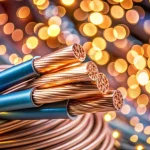
Wire insulation ratings are just as important as the copper thickness. If you are routing wires through an engine bay or near a hot inverter, the ambient temperature will reduce the wire’s current-carrying capacity. Always use wires rated for the specific environment, such as high-temperature silicone-insulated cables for high-heat areas. If a wire is bundled together with many other cables, it cannot dissipate heat as effectively, which may require you to “upsize” the wire gauge to compensate for the reduced cooling efficiency.
Maintenance and Inspection
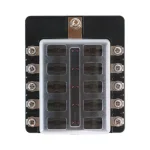
Once your system is installed, maintenance involves periodic checks of all connection points. Loose terminals are a common cause of heat buildup, even if the wire size itself is correct. Use high-quality crimping tools and proper lugs rather than relying on solder, which can become brittle over time in mobile environments. Inspect your cables annually for signs of insulation degradation or discoloration, which indicates that the wire has been running too hot for too long.
📷 Photo by walmart.com
Frequently Asked Questions
Q: Can I use a larger wire than what the chart recommends?
A: Yes, using a larger wire gauge than necessary is always safe and actually beneficial, as it further reduces voltage drop and improves system efficiency. The only downside is the increased cost and physical bulk of the thicker cable.
Q: Does the material of the wire (Copper vs. Aluminum) matter?
A: Yes, copper is a much better conductor than aluminum. If you choose to use aluminum wiring to save costs, you must use a larger gauge size to achieve the same electrical performance as copper, and you must use specialized anti-oxidant compounds at all connection points to prevent corrosion.
Q: What happens if I ignore voltage drop calculations?
A: You will likely experience equipment malfunction, such as lights that dim when other appliances turn on, or inverters that shut down prematurely because they “perceive” a low battery voltage due to the voltage loss across the undersized wires.
📷 Photo by sciencelearn.org.nz