


Vanonpower.com – High voltage solar arrays reduce wire size requirements by increasing the system voltage, which allows for lower current flow to deliver the same amount of power, thereby minimizing energy losses and permitting the use of thinner, less expensive copper conductors.
In electrical engineering, the relationship between power, voltage, and current is governed by Ohm’s Law and the power formula (P=IV). When you increase the voltage of a solar array, the current required to transmit the same wattage decreases proportionally. Because wire size—or gauge—is primarily determined by the amount of current (amperage) a conductor must carry without overheating, reducing the current allows designers to specify smaller cables.
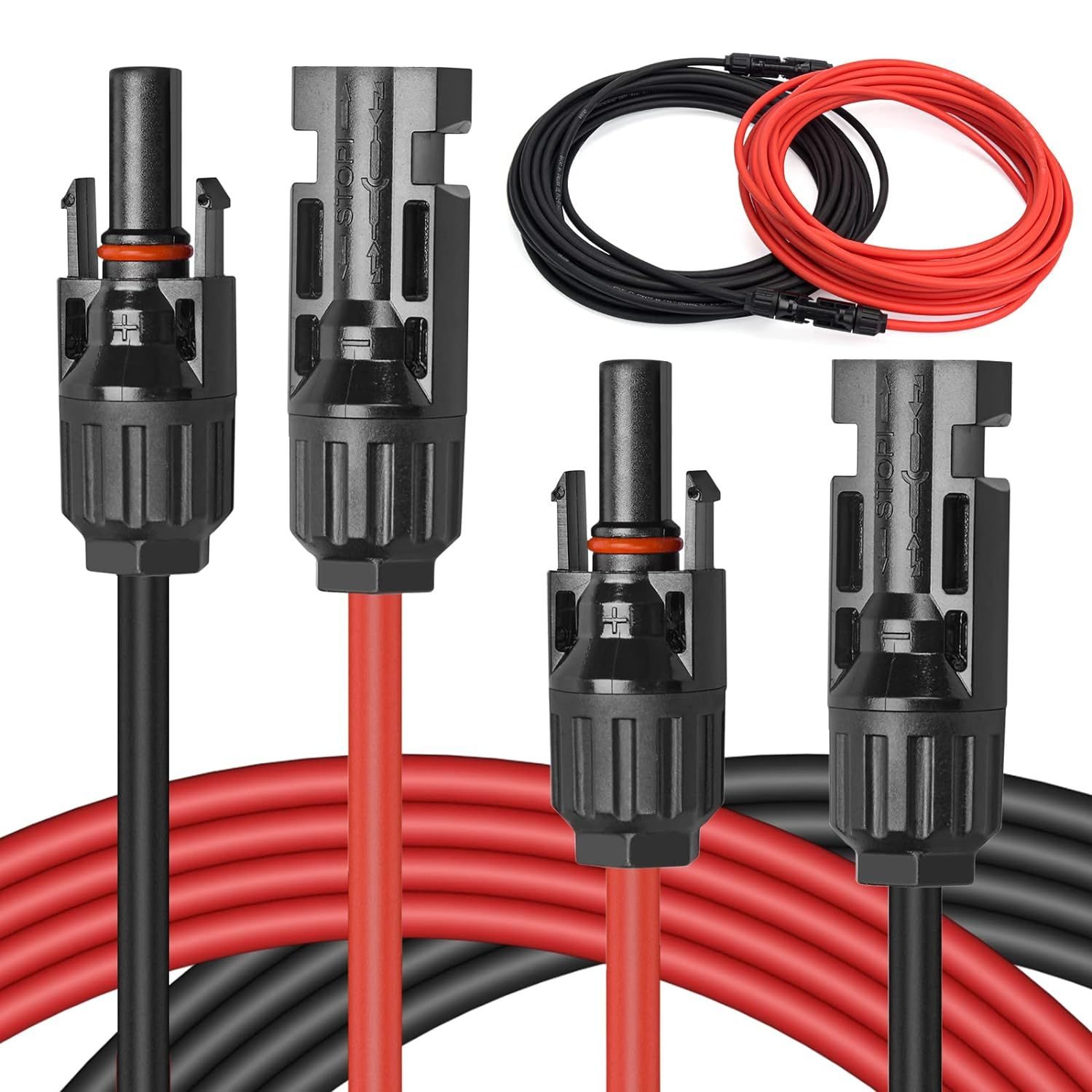
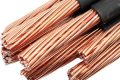
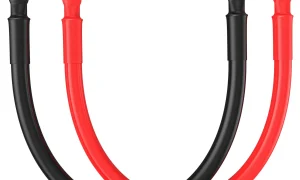
📷 Photo by sys-elec.en.made-in-china.com
The Physics Behind Reduced Conductor Sizes
Every wire possesses a certain amount of electrical resistance. When current flows through a wire, this resistance causes energy to be dissipated as heat, a phenomenon known as I²R loss. By keeping current low through higher voltages, you drastically reduce these resistive losses. This efficiency gain is not just a theoretical benefit; it is a critical factor in large-scale residential and commercial solar installations where the distance between the array and the inverter or combiner box can span hundreds of feet.
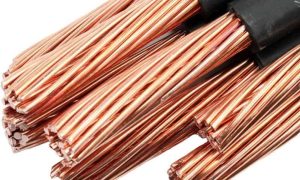
When high current is forced through a thin wire, the wire acts like a resistor, leading to significant voltage drops. To combat this in low-voltage systems, installers must use thick, heavy-gauge cables to ensure the electricity reaches its destination efficiently. By opting for a high-voltage configuration, you bypass the need for these oversized, costly conductors, simplifying the installation process and reducing material expenses.
Comparing Wire Gauges and Current Capacity
The following table illustrates how current requirements dictate the necessary wire gauge (AWG) to maintain safety and minimize voltage drop over a standard distance.
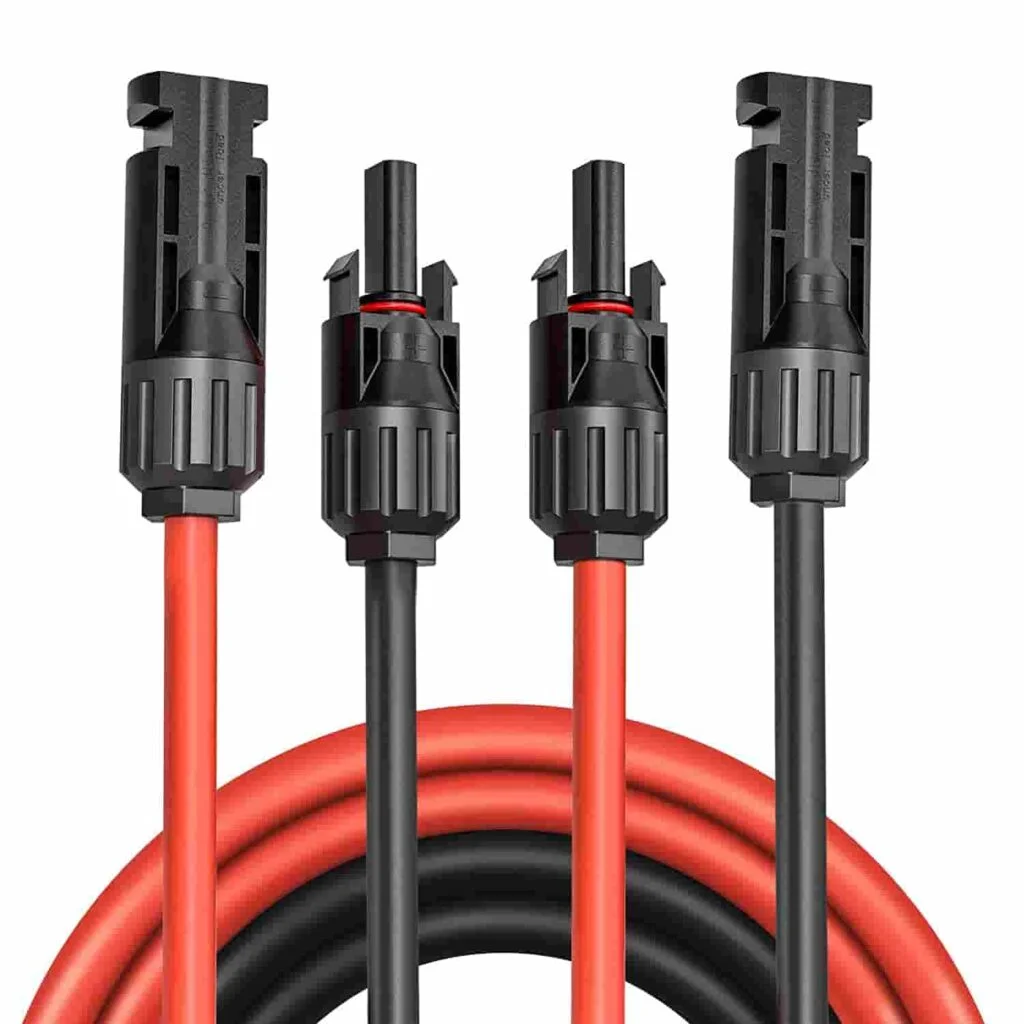
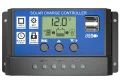
📷 Photo by activosolar.com
| Current (Amps) | Recommended Wire Gauge (AWG) | Application Context |
|---|---|---|
| 10A – 15A | 14 AWG | High voltage strings (small residential) |
| 20A – 30A | 12 AWG | Standard string inverter setups |
| 40A – 55A | 10 AWG | Medium-sized parallel arrays |
| 70A – 95A | 6 AWG | Large low-voltage battery banks |
Safety Considerations and Risks
While using smaller wires is an economic advantage, it does introduce specific safety requirements. High voltage direct current (DC) is inherently more dangerous than low voltage DC because it is harder to extinguish an arc if a connection is broken under load. When working with high-voltage solar arrays, installers must use specific DC-rated disconnects and circuit breakers. Failing to use proper equipment can lead to catastrophic arcing, fire hazards, or permanent damage to the inverter.
Another common mistake is neglecting the insulation rating of the wire. Even if a wire is physically small enough to handle the current, its insulation must be rated for the high voltage of the array. Standard building wire often lacks the UV-resistant and high-voltage insulation ratings required for solar installations. Always ensure that the conductors used are labeled as PV wire or USE-2 to prevent insulation breakdown over time.
Steps to Optimize Your Solar Array Wiring
Follow these steps to safely configure your system for optimal wire sizing:
- Calculate the maximum power output of your solar array and divide it by your target system voltage to determine the expected amperage.
- Consult the National Electrical Code (NEC) or local equivalent to identify the minimum ampacity required for your specific conductor type and environmental temperature.
- Select a wire gauge that accounts for both the expected current and the total length of the wire run to keep the voltage drop below 2%.
- Verify that the voltage rating of the chosen cable exceeds the maximum open-circuit voltage (Voc) of your solar array, accounting for temperature-based voltage increases.
- Install appropriate overcurrent protection devices (OCPD) sized specifically for the conductors you have selected to ensure the wire never carries more current than it can safely handle.
Practical Benefits of High Voltage Design
Beyond wire savings, high-voltage arrays often allow for longer string lengths. In many residential setups, this means you can connect more panels in a single series, which reduces the number of home-run wires needed to reach the inverter. Fewer wires mean less time spent on labor, less conduit space required, and a cleaner, more organized installation. This modularity is why modern string inverters and optimizers have shifted toward higher voltage inputs.
Furthermore, smaller wires are significantly easier to route through tight spaces, such as attics or narrow conduits. Contractors often find that using smaller gauge wire reduces the mechanical stress on the terminals of the inverter and combiner boxes. When wires are too thick, they can be difficult to bend and terminate, often leading to loose connections that can create hot spots and potential fire risks.
Frequently Asked Questions
Q: Does high voltage increase the risk of electrical shock?
A: Yes, higher voltages are more lethal and capable of jumping gaps through air, so specialized training and safety gear are essential when dealing with high-voltage DC systems.
Q: Is there a limit to how high the voltage can go to save on wire?
A: Yes, residential systems are typically limited to 600V or 1000V by building codes to ensure safety; exceeding these limits requires specialized industrial-grade equipment and stricter permitting processes.
Q: Can I use thinner wire if my solar array is very close to the inverter?
A: Even if the distance is short, you must still adhere to the minimum wire gauge required to safely carry the current, as determined by the ampacity ratings of your specific circuit protection device.
By leveraging the relationship between voltage and current, solar designers can create systems that are not only more cost-effective but also more efficient. Reducing wire size is a logical outcome of modern high-voltage design, provided that safety protocols, proper insulation, and the correct overcurrent protection are strictly maintained throughout the project.
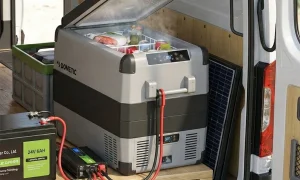
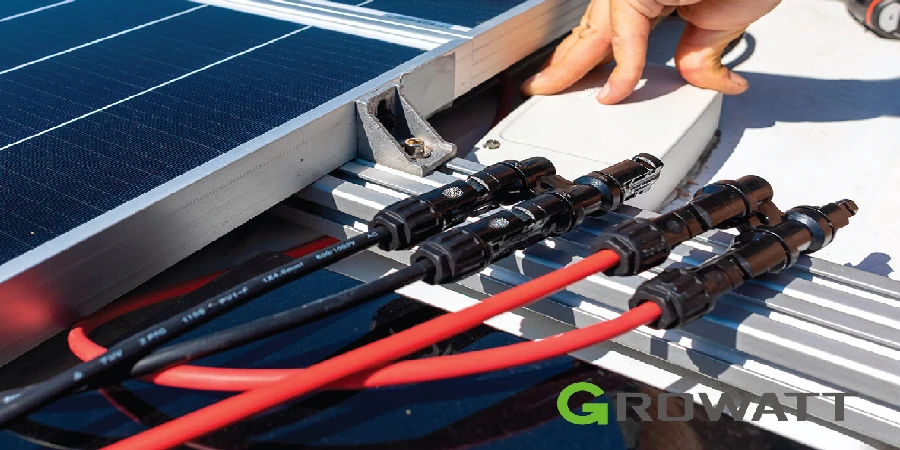
📷 Photo by igrowattinverter.com