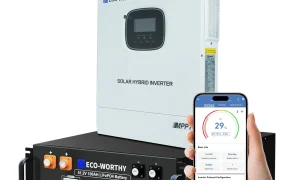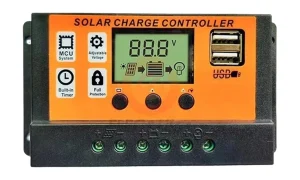


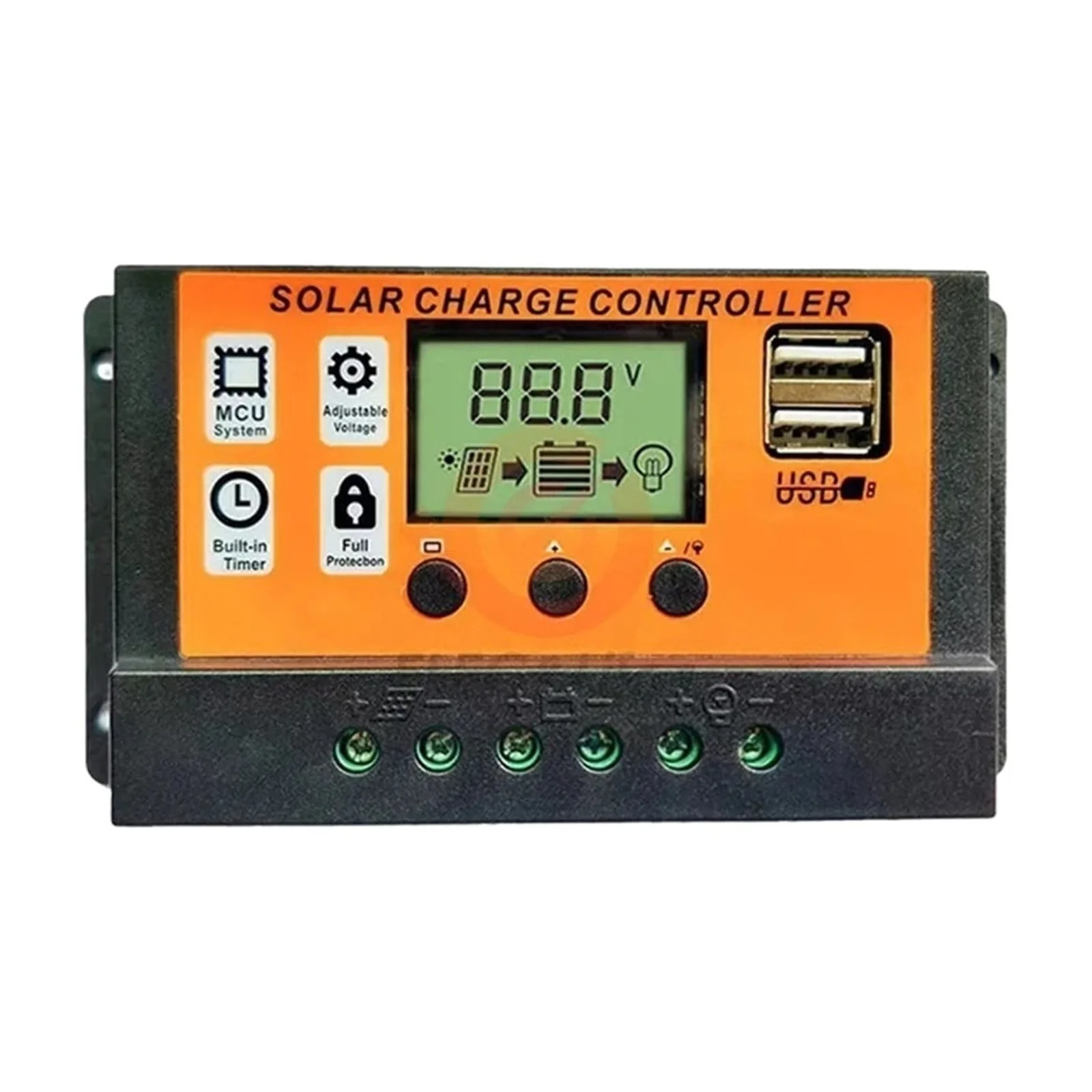
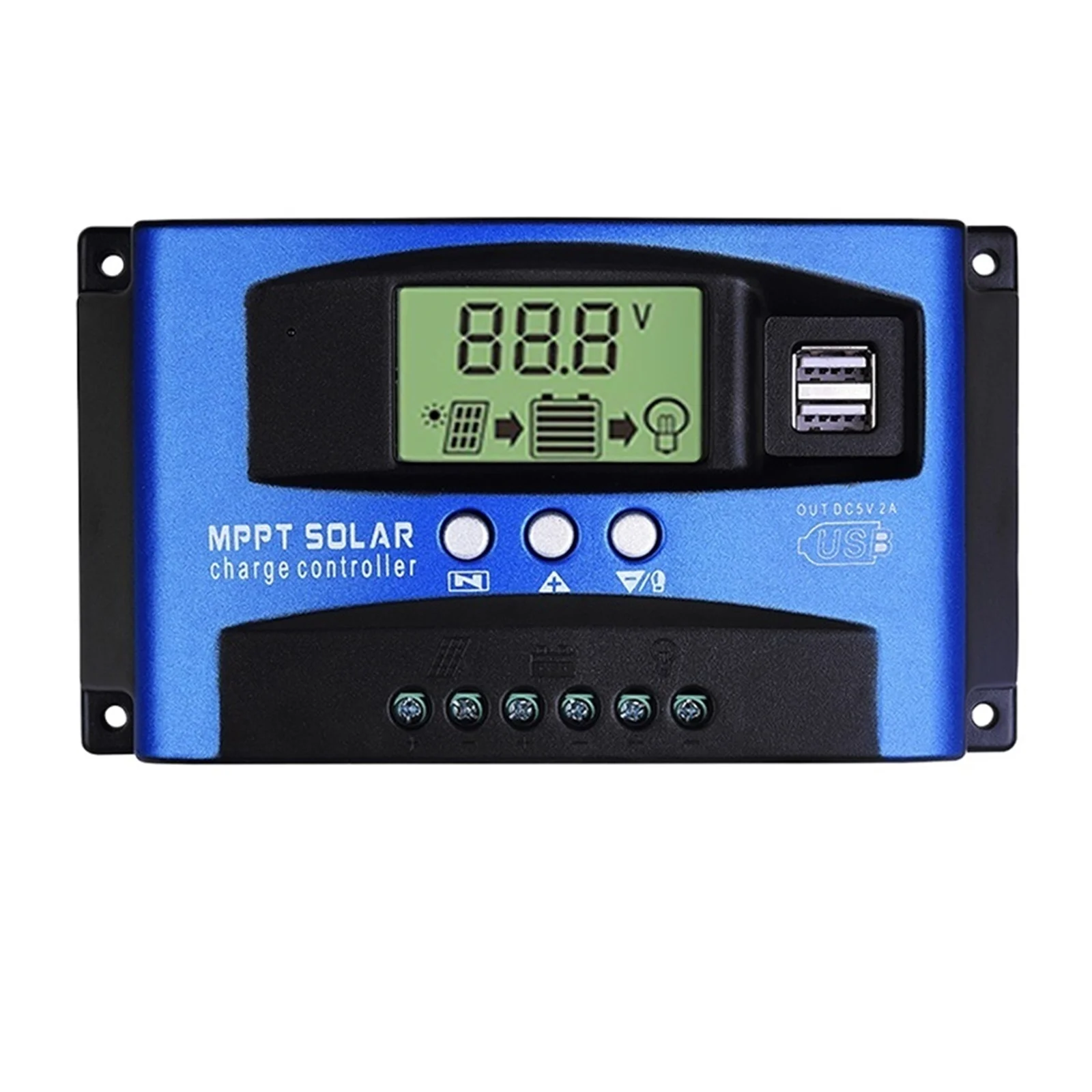
Vanonpower.com – You can safely exceed the maximum PV input power of an MPPT controller by “over-paneling,” provided you strictly adhere to the controller’s maximum open-circuit voltage (Voc) and short-circuit current (Isc) limits to prevent permanent hardware damage.
Understanding Over-Paneling
Over-paneling refers to connecting a solar array with a total wattage higher than the rated input capacity of your MPPT (Maximum Power Point Tracking) charge controller. Many users assume that exceeding the rated wattage will immediately destroy the controller, but this is a common misconception. The internal components of an MPPT controller are primarily limited by the voltage and current they can handle, rather than the total energy being harvested.
When you over-panel, the MPPT controller will simply “clip” or limit the excess power during peak sunlight hours. This means that when the solar array produces more current than the controller is designed to output to the battery, the controller will operate at its maximum rated capacity and discard the surplus energy. The primary goal of over-paneling is to increase energy harvest during shoulder months, cloudy days, or early morning and late afternoon hours when solar production is naturally lower.
The Golden Rules of Over-Paneling
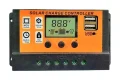
📷 Photo by walmart.com
Before you decide to add more solar panels than your controller’s datasheet suggests, you must understand the two hard limits that cannot be bypassed: Voltage and Current. If you ignore these, you risk catastrophic failure of your charge controller.
1. Maximum Open-Circuit Voltage (Voc)
The Voc of your solar array must never exceed the maximum input voltage of the MPPT controller, even on the coldest day of the year. Solar panels increase their voltage as temperatures drop. You must calculate the worst-case scenario using the temperature coefficient of your specific panels. Exceeding this limit will cause the controller’s input capacitors to blow instantly, effectively destroying the unit.
2. Maximum Short-Circuit Current (Isc)
The current (amperage) flowing into the controller is the second critical constraint. While you can over-panel the wattage, you must ensure the combined short-circuit current of your parallel strings does not exceed the controller’s maximum input current rating. If the current is too high, the internal MOSFETs will overheat and fail, even if the voltage is within range.
Comparison of Controller Limits
| Parameter | Hard Limit (Do Not Exceed) | Soft Limit (Can be Exceeded) |
|---|---|---|
| Open Circuit Voltage (Voc) | Yes (Strict limit) | No |
| Maximum Input Current (Isc) | Yes (Strict limit) | No |
| Rated Input Wattage | No (Can be exceeded) | Yes (Clipping occurs) |
| Battery Charge Current | Yes (Strict limit) | No |
Why Over-Paneling is Beneficial
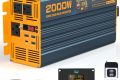
📷 Photo by amazon.com
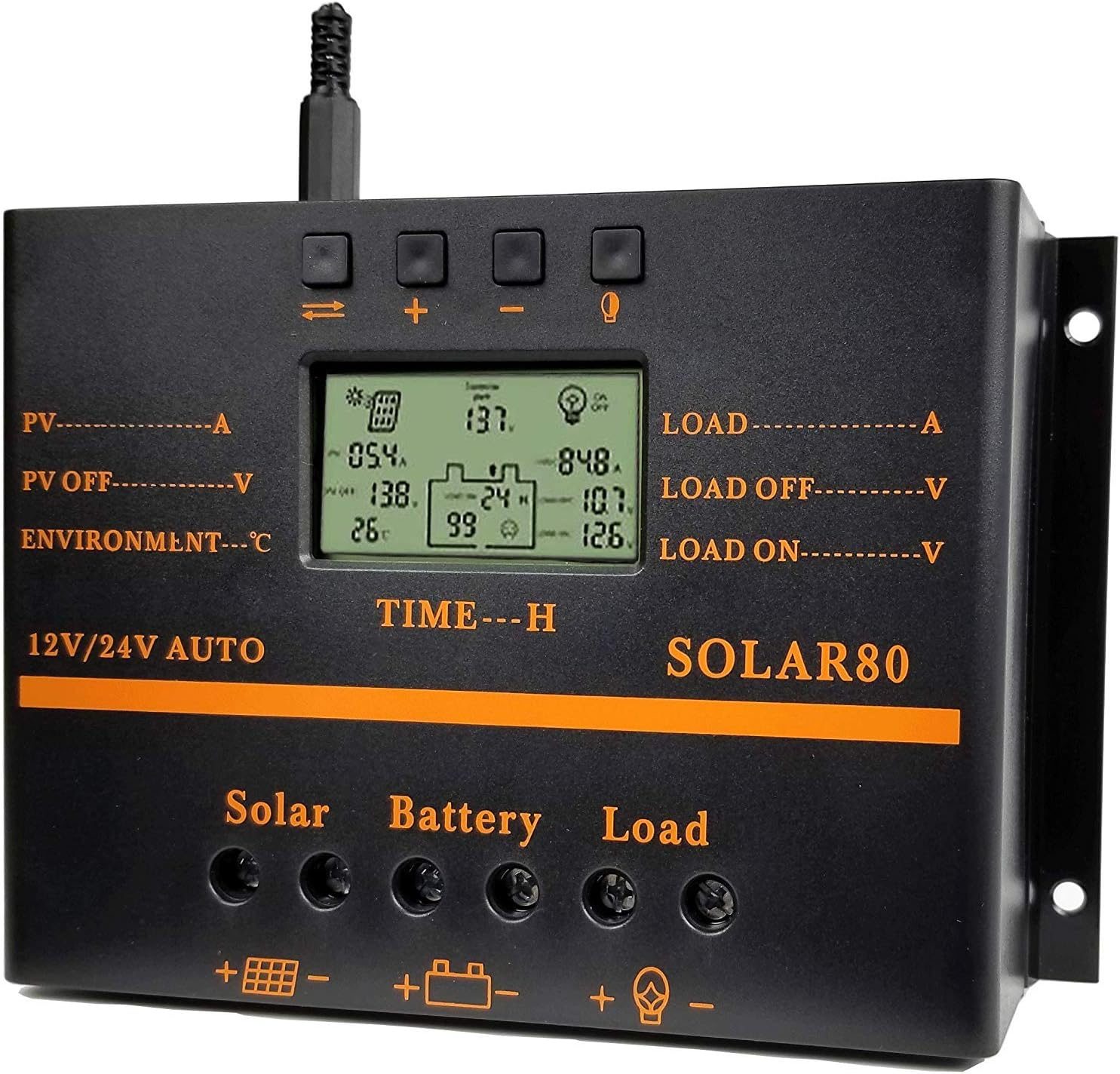
In real-world conditions, solar panels rarely achieve their “STC” (Standard Test Conditions) ratings. Dust, high temperatures, sub-optimal angles, and atmospheric haze reduce the efficiency of your array. By over-paneling, you compensate for these losses. For instance, if you have a 1000W controller, installing 1200W of panels ensures that even on a hazy afternoon, you are closer to hitting that 1000W output capacity.
This strategy is particularly effective for off-grid systems that rely on deep-cycle batteries. By extending the duration of peak charging hours, you ensure your battery bank reaches a full state of charge more reliably, even during winter months when the sun sits lower in the sky.
Step-by-Step Guide to Safely Over-Paneling
- Check the manufacturer’s datasheet for the “Max PV Input Voltage” and “Max PV Input Current” of your MPPT controller.
- Determine the cold-weather Voc of your solar panels using the temperature coefficient provided by the manufacturer.
- Design your array configuration (series or parallel) to ensure the total string voltage remains 10-15% below the controller’s maximum voltage limit to account for temperature spikes.
- Ensure the total short-circuit current of your parallel strings remains at or below the controller’s maximum allowable input current.
- Install a DC disconnect switch and appropriately sized fuses between the solar array and the MPPT controller to protect against short circuits.
- Monitor the controller’s output during the first peak-sun day to ensure it is clipping correctly without overheating.
Risks and Common Mistakes
The most common mistake is ignoring the temperature coefficient. Users often look at the Voc at 25 degrees Celsius and assume it will stay there. However, if your location experiences freezing temperatures, the Voc can rise significantly. A system that is “safe” in the summer might become a “dead” controller in the winter because the increased voltage exceeds the input threshold.
Another error is failing to account for the controller’s maximum battery charging current. Even if the MPPT can handle the incoming solar power, it cannot output more current to the battery than it is rated for. If you over-panel significantly, the controller will simply throttle the output to the battery to protect the battery chemistry from being overcharged. Ensure your battery bank is sized appropriately to accept the maximum charge current the controller is capable of delivering.
Frequently Asked Questions
Q: Will over-paneling void my MPPT controller warranty?
A: Most manufacturers define warranty coverage based on the input voltage and current limits. As long as you stay within the voltage and current specifications, exceeding the wattage rating is generally accepted, but always check your specific brand’s warranty policy.
Q: Does over-paneling cause the controller to overheat?
A: Modern MPPT controllers are designed to limit their current output when they reach their maximum rated capacity. While the controller will work harder during clipping, it should not overheat if it is installed in a well-ventilated area with adequate heat sinking.
Q: Is there an upper limit to how much I can over-panel?
📷 Photo by desertcart.co.za
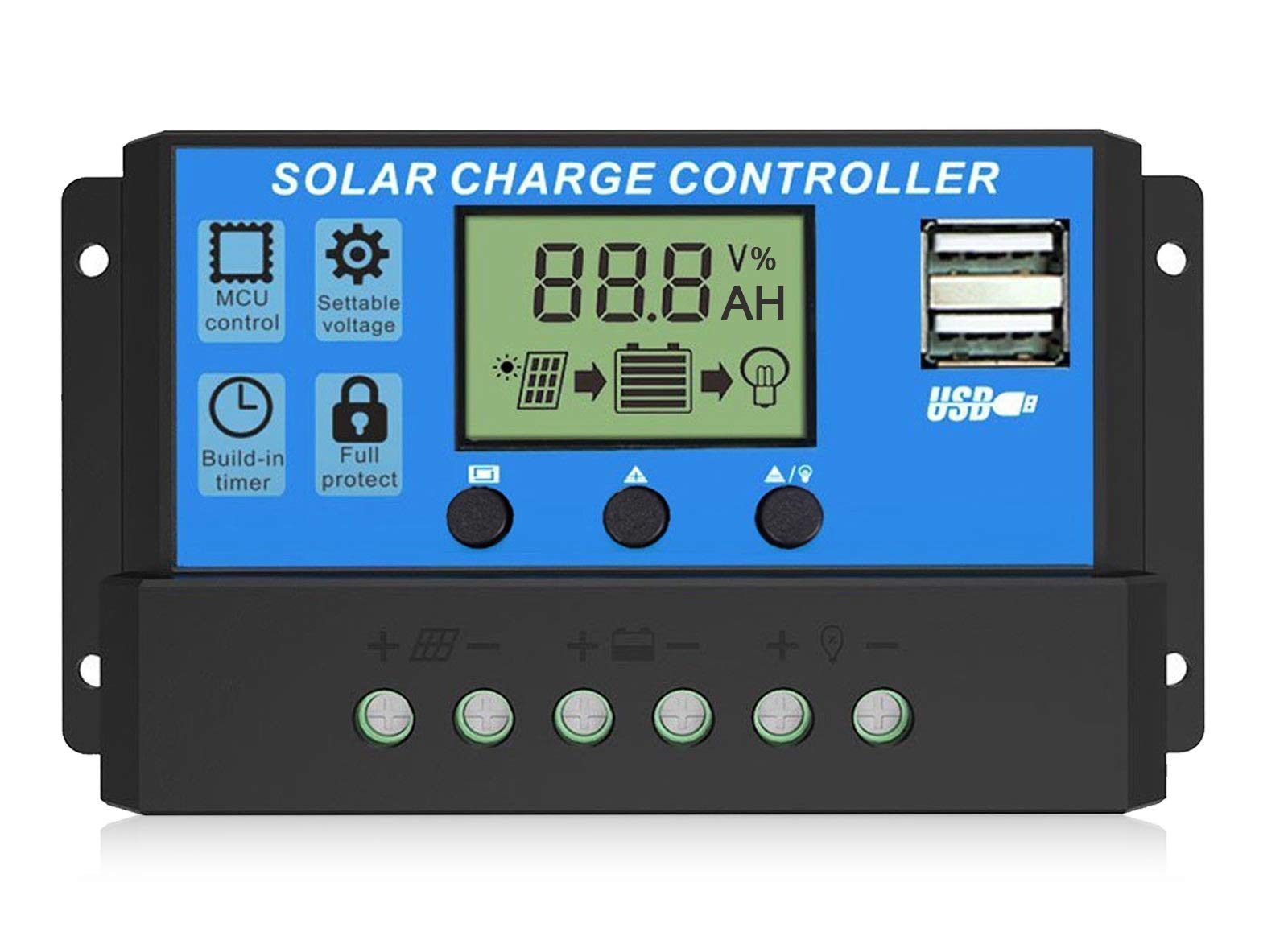
A: While there is no strict rule, most industry professionals recommend staying within 120% to 150% of the rated wattage. Beyond this, you are spending money on panels that will never contribute to your system because the controller will be in a state of constant, heavy clipping.
Final Thoughts
Over-paneling is a powerful tool for off-grid enthusiasts looking to maximize their energy harvest in less-than-ideal conditions. By focusing on the electrical limits of your controller rather than the nominal power ratings, you can build a more resilient system. Always prioritize safety, use proper fusing, and ensure your cable gauge is sufficient to handle the total current generated by your array.
📷 Photo by walmart.com