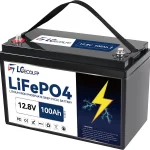


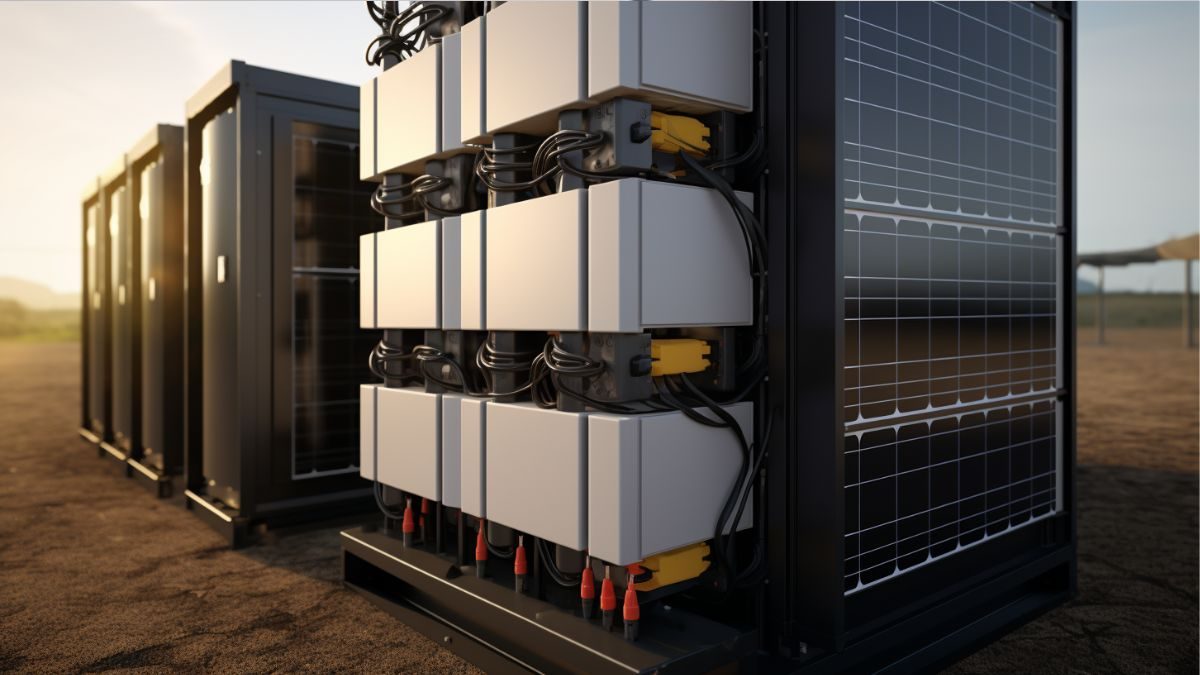
Vanonpower.com – Powering a Starlink terminal requires a consistent 50W to 75W draw, meaning a solar battery system must be sized for at least 1.2kWh to 1.8kWh of daily capacity to maintain reliable 24/7 connectivity.
Starlink is a revolutionary technology for remote connectivity, but it is notorious for its power consumption patterns. Unlike low-power IoT devices, the Starlink dish is an active phased-array antenna that constantly adjusts its orientation and beams to track satellites. This constant electronic activity, combined with the heating element used to melt snow in colder climates, creates a significant “baseload” that solar power systems often struggle to maintain without proper sizing.
Understanding the Power Consumption Profile
To calculate your storage needs, you must look beyond the average wattage. While Starlink might consume 50 watts on a clear day with no obstructions, this figure can spike significantly when the dish is working hard to establish a connection or when the “Snow Melt” mode activates during winter storms. In these scenarios, power draw can briefly jump to over 100 watts.
Most users assume that they only need to cover the nighttime hours, but that is a dangerous misconception. If you have a string of cloudy days, your solar panels will produce significantly less current, meaning your battery bank must act as a buffer for more than just the absence of sunlight. Relying on a minimal battery setup often leads to “deep discharge cycles,” which drastically reduce the lifespan of lead-acid batteries and even shorten the cycle life of premium Lithium Iron Phosphate (LiFePO4) units.
Daily Requirement Sizing Table
The following table illustrates the relationship between daily power consumption and the recommended battery bank capacity to ensure a 3-day autonomy period during low-sunlight conditions.
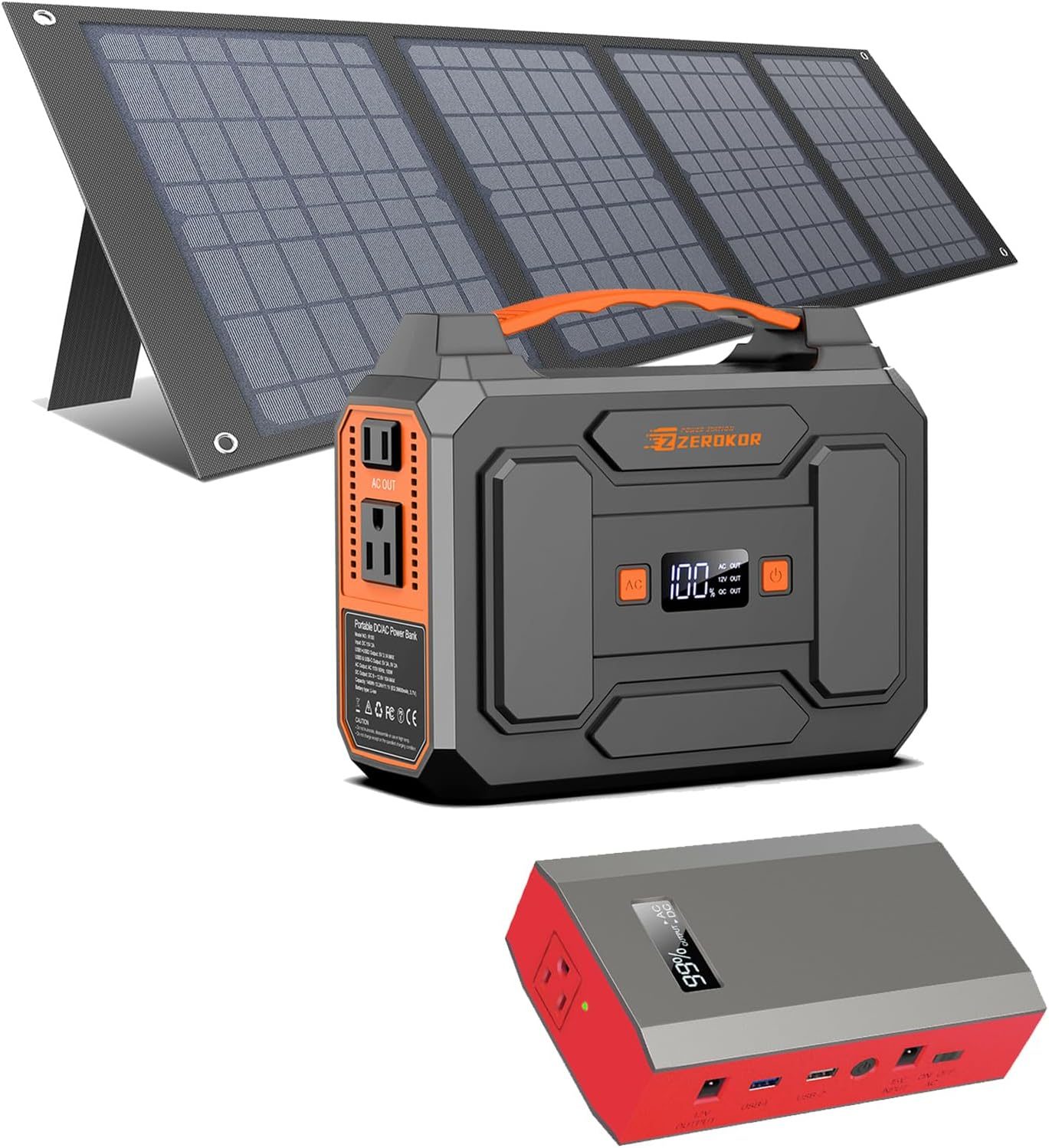
📷 Photo by amazon.com
Read also: How to Calculate Charging Time with an AC Shore Power Charger
| Operational Scenario | Average Hourly Draw | Daily Consumption | Min. Battery Capacity (50% DoD) |
|---|---|---|---|
| Standard Browsing | 50 Watts | 1.2 kWh | 2.4 kWh |
| Heavy Data/Streaming | 75 Watts | 1.8 kWh | 3.6 kWh |
| Snow Melt Mode Active | 110 Watts | 2.6 kWh | 5.2 kWh |
Steps to Properly Size Your Solar Battery Bank
Calculating the correct size is not just about the math; it is about accounting for the real-world efficiency losses in your electrical system. Follow these steps to determine the capacity you need for your off-grid Starlink setup.
- Assess your total load: Multiply the average hourly wattage of your Starlink (e.g., 60W) by 24 hours to get your daily energy requirement in Watt-hours (Wh).
- Account for inverter efficiency: Solar batteries provide DC power, but Starlink uses an AC power supply. Add a 15% buffer to your daily requirement to account for the energy lost during the DC-to-AC inversion process.
- Determine your autonomy days: Decide how many days you want your system to run without any sun. In most climates, a 2-day buffer is the absolute minimum, but 3 to 4 days is recommended for reliability.
- Calculate Depth of Discharge (DoD): If using lead-acid batteries, do not exceed 50% discharge. If using LiFePO4, you can safely use 80% to 90% of the total capacity. Divide your total required Wh by your chosen DoD percentage to find the final battery size.
Common Mistakes to Avoid
One of the most frequent errors users make is neglecting the “vampire load” of the inverter itself. Even when the Starlink dish is idle, the inverter consumes power just to stay powered on. If you are using a large, high-capacity inverter for a small load, the idle consumption can be surprisingly high, sometimes wasting 20-30 watts per hour. Always try to match your inverter size to your actual load requirements to minimize these losses.
Another common mistake is ignoring temperature-related voltage drops. Batteries lose effective capacity in cold weather. If you are mounting your battery bank in an uninsulated shed or container, you must over-size your system by at least 20% to account for the reduced chemical efficiency during winter months.
The Role of LiFePO4 Chemistry
For Starlink applications, Lithium Iron Phosphate (LiFePO4) is the gold standard. Unlike traditional AGM or Gel batteries, LiFePO4 maintains a flat voltage discharge curve, meaning your Starlink will receive a consistent, stable flow of power until the battery is nearly empty. Furthermore, these batteries can handle thousands of cycles, making them a much better long-term investment for a system that is expected to run 24/7, 365 days a year.
Practical Tips for Reliability
If you find that your budget does not allow for a massive battery bank, consider using a smart plug or a programmable timer on your Starlink router. If you know you do not need internet access during the late night hours (e.g., between 2:00 AM and 6:00 AM), turning the unit off can save you approximately 200-300Wh of energy per day. This simple change can be the difference between a system that survives the night and one that shuts down prematurely.
Additionally, always ensure your solar array is over-provisioned. A common rule of thumb is to have a solar array that produces at least 3 times your daily consumption in peak sun hours. This ensures that even on partially cloudy days, you are generating enough energy to run the Starlink and replenish the battery bank simultaneously.
FAQ
Q: Can I run Starlink directly from a 12V battery without an inverter?
📷 Photo by amazon.com
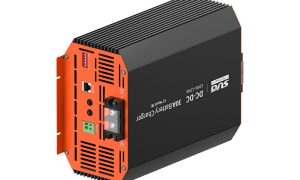
A: Yes, many users perform a “12V conversion” by bypassing the factory AC power supply, but this requires advanced electrical knowledge, custom cabling, and a stable 48V DC-DC step-up converter to protect the sensitive hardware.
Q: Will my Starlink stop working if the battery voltage drops too low?
A: Yes, Starlink is sensitive to voltage fluctuations. If your battery bank voltage drops below the threshold required by the inverter, the inverter will shut down, causing an immediate loss of connectivity.
Q: Is it better to have more batteries or more solar panels?
A: For Starlink, you need a balance, but solar panels are generally cheaper than batteries. Prioritizing more solar panels helps you recharge faster during the day, reducing the amount of time your batteries spend in a low state of charge.
📷 Photo by greenlifezen.com