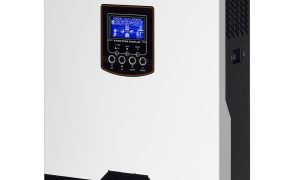
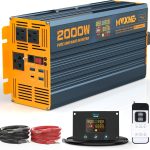
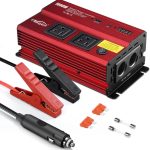


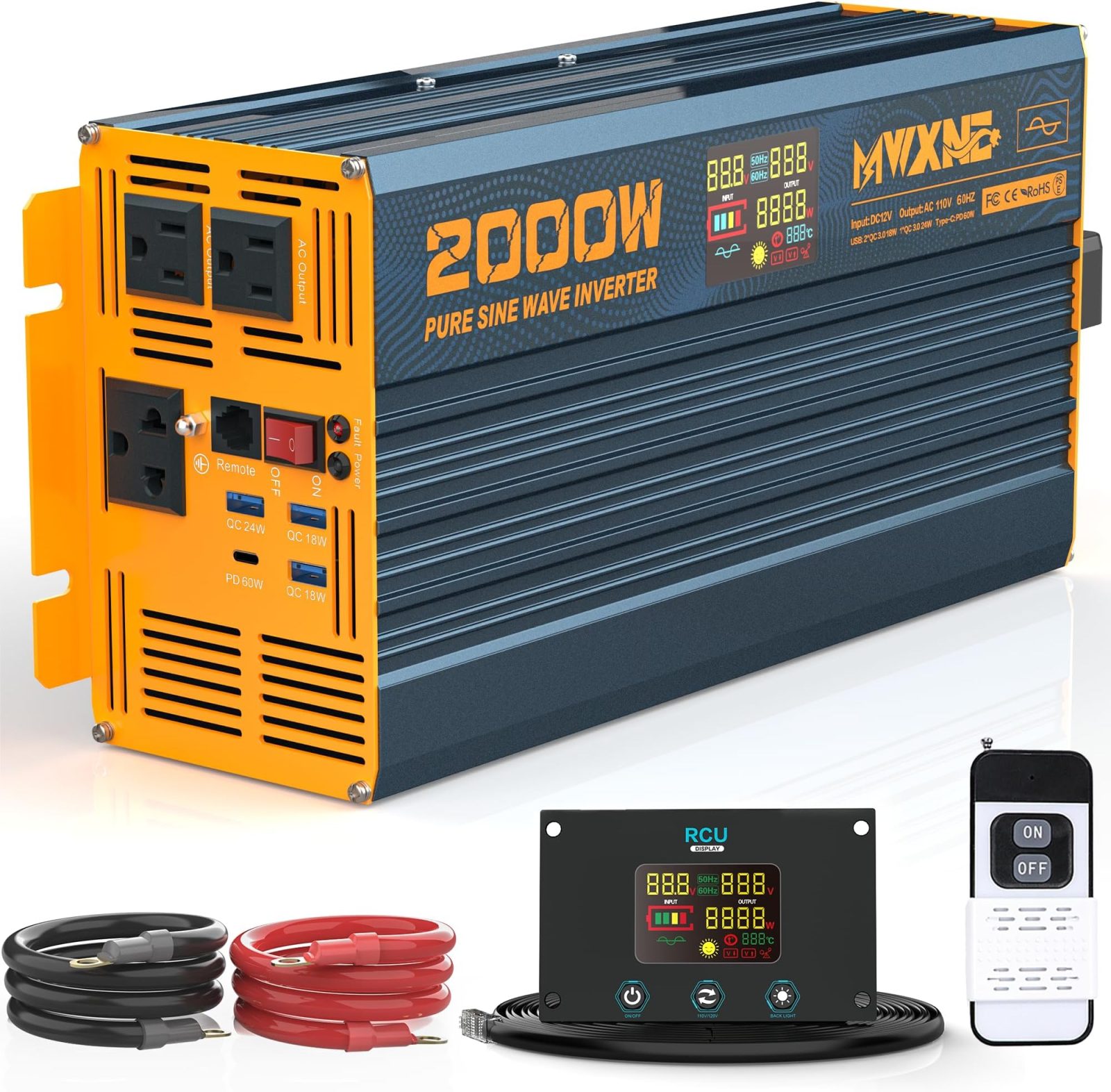
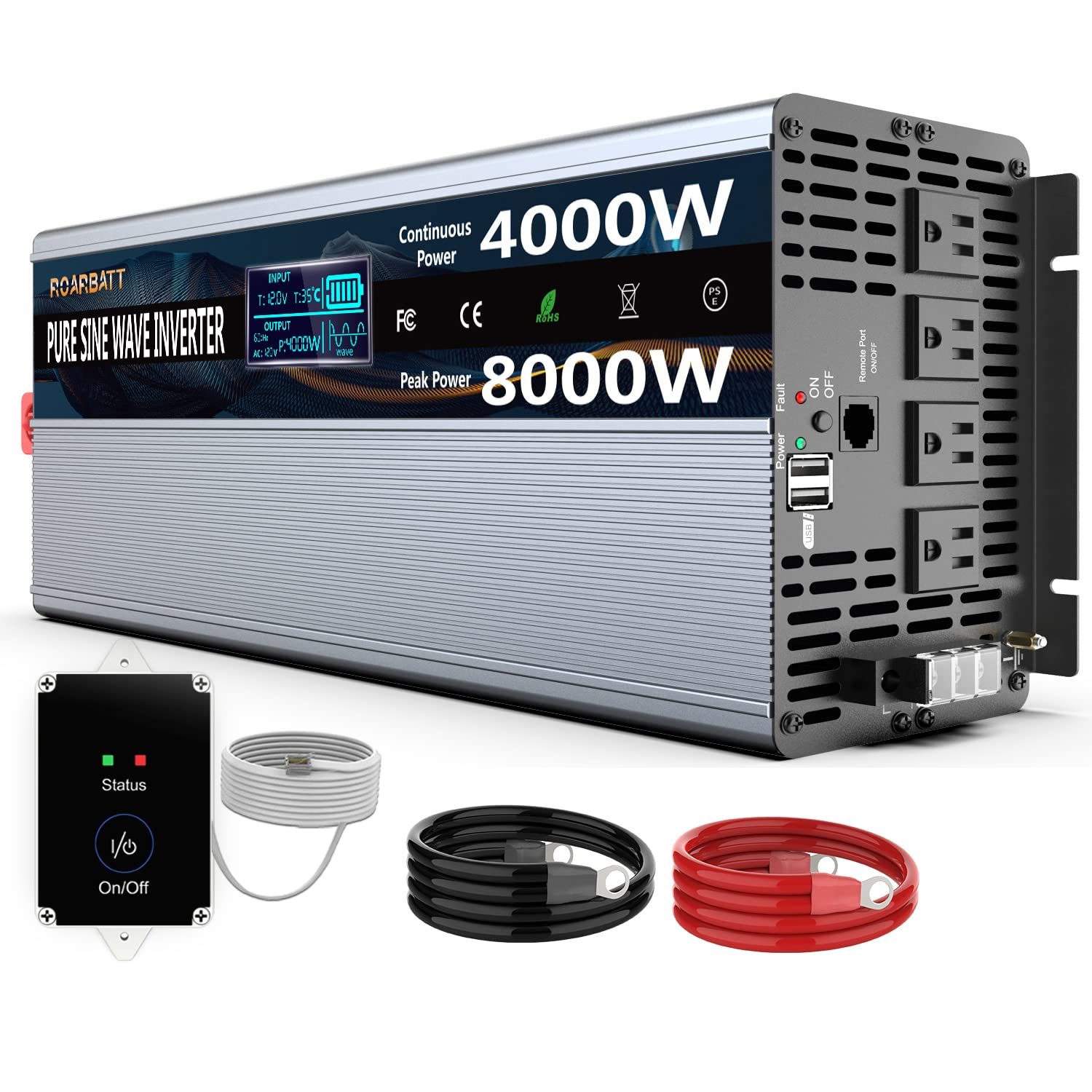
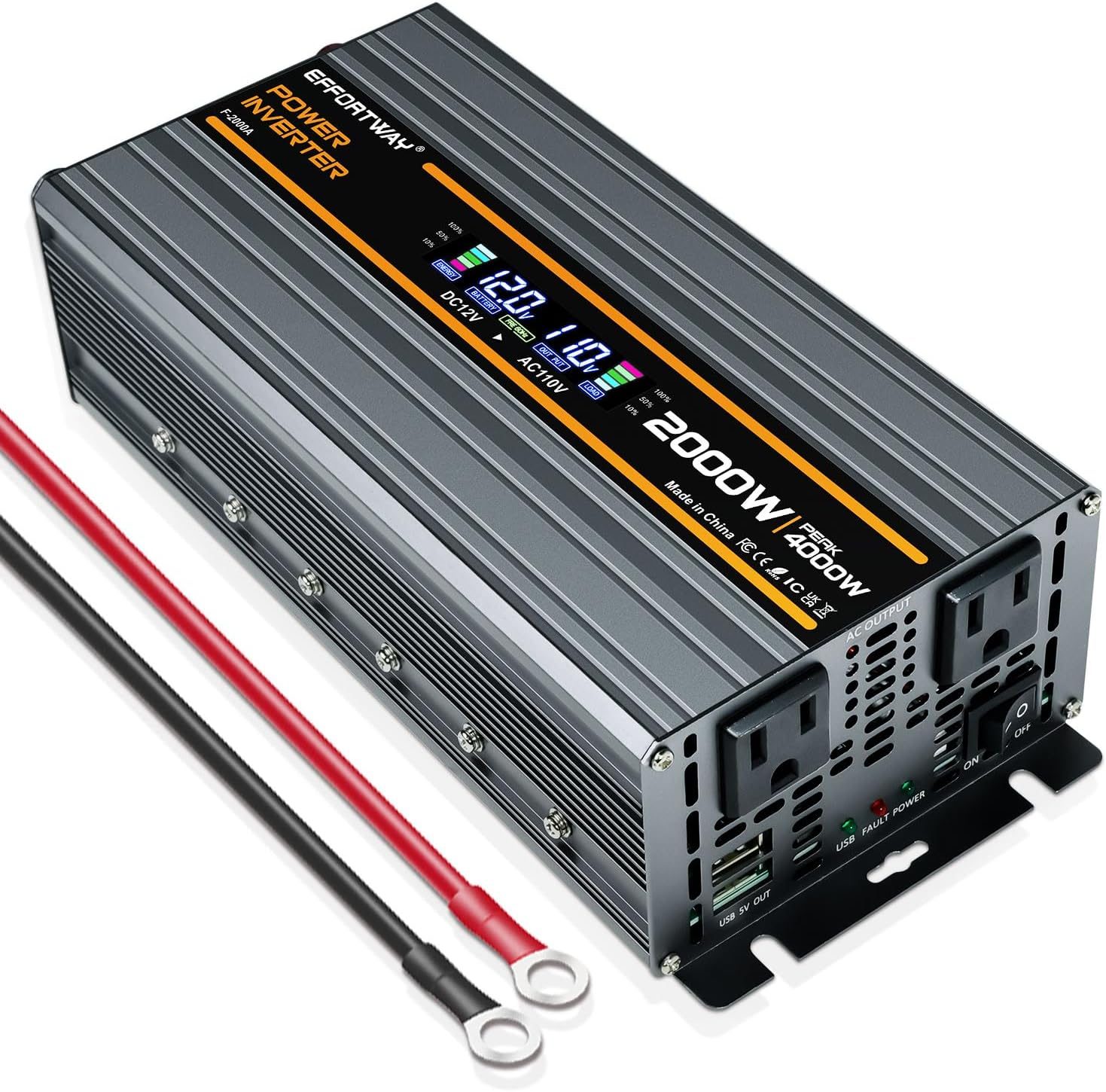
Vanonpower.com – A 12V 2000W inverter draws approximately 180 to 200 amps at full load, accounting for typical conversion efficiency losses inherent in power inverters.
Calculating the current draw for a power inverter is essential for anyone designing an off-grid solar system, a campervan electrical setup, or an emergency backup power bank. When you run a 2000W load on a 12V system, the math is not as simple as dividing wattage by voltage because no inverter is 100 percent efficient.
Understanding the Math Behind the Draw
The basic formula for electrical power is Watts equals Volts multiplied by Amps. If you have a 2000W device and a 12V battery, the theoretical current draw is 166.67 amps (2000 divided by 12). However, in the real world, inverters experience heat loss during the conversion process from Direct Current (DC) to Alternating Current (AC).
Most high-quality pure sine wave inverters operate at 85 percent to 92 percent efficiency. This means that to output 2000W of power, the inverter must pull more energy from the battery to compensate for the energy lost as heat. If we assume a conservative 90 percent efficiency, the calculation changes to 2000 divided by 0.9, resulting in 2222 watts of actual power draw from the battery. When you divide that by 12V, you get roughly 185 amps.
Factors Influencing Current Draw
📷 Photo by storage.googleapis.com
📷 Photo by manuals.plus
Several variables determine exactly how many amps your system will pull at any given moment. Battery voltage is the most significant factor. As a 12V battery discharges, its voltage drops below 12V, often down to 10.5V or 11V. Because the inverter needs to maintain 2000W of output, it must draw even more current as the voltage drops. A lower voltage forces the inverter to pull higher amperage to sustain the same power output, which places significant stress on your cables and battery terminals.
Temperature also plays a role in efficiency. Inverters operate best at cooler temperatures. If the internal cooling fans are working overtime because of high ambient temperatures or poor ventilation, the inverter’s efficiency drops, and the total current draw increases. Additionally, the age and condition of your battery bank affect how well it maintains voltage under high-load conditions.
Comparison of Inverter Loads and Amperage
The following table illustrates the approximate amperage draw at different load levels for a 2000W inverter on a 12V system, assuming 90 percent efficiency.
| Load (Watts) | Estimated Amps (12V) |
|---|---|
| 500W | 46 Amps |
| 1000W | 93 Amps |
| 1500W | 139 Amps |
| 2000W | 185 Amps |
Step-by-Step Guide to Calculating Your Specific Needs
To ensure your electrical system is safe and properly fused, follow these steps to calculate your specific current requirements:
- Identify the maximum wattage of all appliances you intend to run simultaneously.
- Add a 20 percent buffer to your total wattage to account for surge currents and efficiency losses.
- Divide the total wattage by 12 to find the base amperage.
- Determine the minimum wire gauge required based on the calculated amperage to prevent voltage drop and overheating.
- Install a fuse or circuit breaker rated slightly higher than your calculated amperage as close to the battery positive terminal as possible.
Risks and Common Mistakes
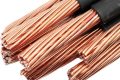
One of the most dangerous mistakes beginners make is using undersized cabling. Pulling nearly 200 amps through thin wires will cause the cables to melt, potentially leading to an electrical fire. Always refer to an American Wire Gauge (AWG) chart for high-current applications; for 200 amps, you typically need at least 2/0 AWG copper wire to handle the load safely over short distances.
Another common oversight is ignoring the “surge” or “peak” power rating. Many appliances, like refrigerators or power tools, draw two to three times their rated wattage for a split second when starting up. If your inverter is rated for 2000W continuous but you try to start a motor that pulls 3000W at startup, the inverter will likely trigger an overload shutdown to protect its internal components.
Battery Bank Considerations
Running a 2000W load is a heavy task for a 12V system. If you use standard lead-acid batteries, you must consider the Peukert effect, where the capacity of the battery decreases as the discharge rate increases. Pulling 180+ amps from a small battery bank will cause the voltage to sag rapidly, significantly reducing the usable runtime of your system. Lithium (LiFePO4) batteries are generally preferred for these high-load scenarios because they maintain voltage much better under stress and can handle higher discharge rates without significant capacity loss.
Frequently Asked Questions
Q: Can I run a 2000W inverter on a single car battery?
A: It is not recommended. A standard starter battery is not designed for the deep discharge cycles required by a 2000W inverter, and the high amperage draw will likely damage the battery or fail to provide enough consistent voltage to run the inverter for more than a few minutes.
Q: Why does my inverter beep and shut off when I turn on my microwave?
A: This is usually due to a voltage drop or an overload. Microwaves often have a high startup surge that exceeds the inverter’s peak rating, or your battery bank cannot supply the massive amount of current required instantaneously, causing the voltage at the inverter input to drop below the low-voltage cutoff point.
Q: Do I really need a fuse for this setup?
A: Yes, a fuse is mandatory. In the event of a short circuit, 200 amps of current can cause catastrophic damage, weld metal parts together, or ignite battery gases instantly. A properly sized fuse provides the necessary protection to prevent these hazards.
Read also: What Causes Inverter Error Code E04 and How to Clear It
📷 Photo by amazon.ca