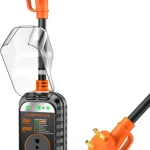


Vanonpower.com – You generally cannot plug an RV surge protector directly into an inverter because most residential or RV-style surge protectors are designed to detect a bonded neutral-ground connection, which standard portable inverters lack. Plugging them together will likely result in a ground fault error on the surge protector, causing it to block power flow entirely.
Understanding the Compatibility Conflict
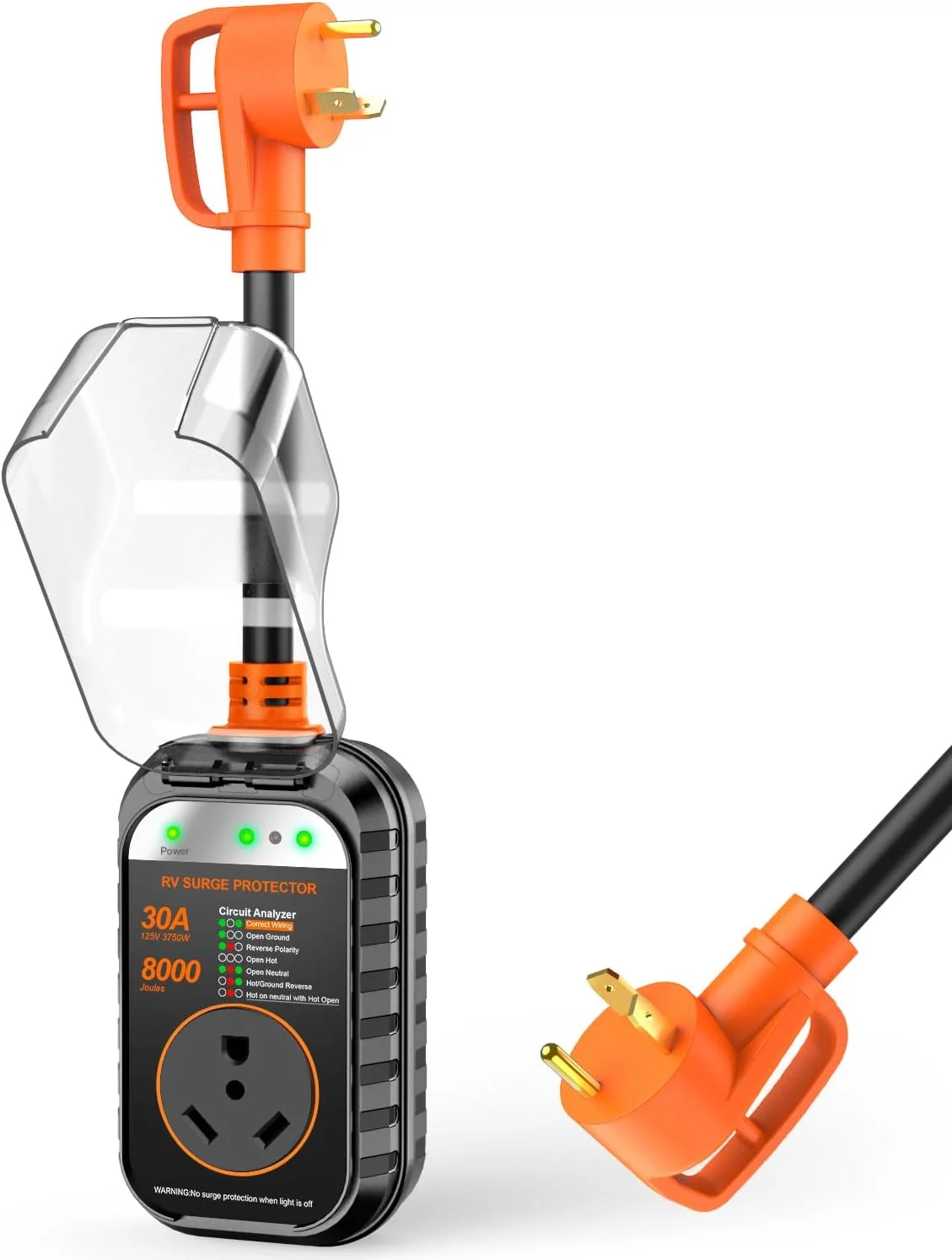
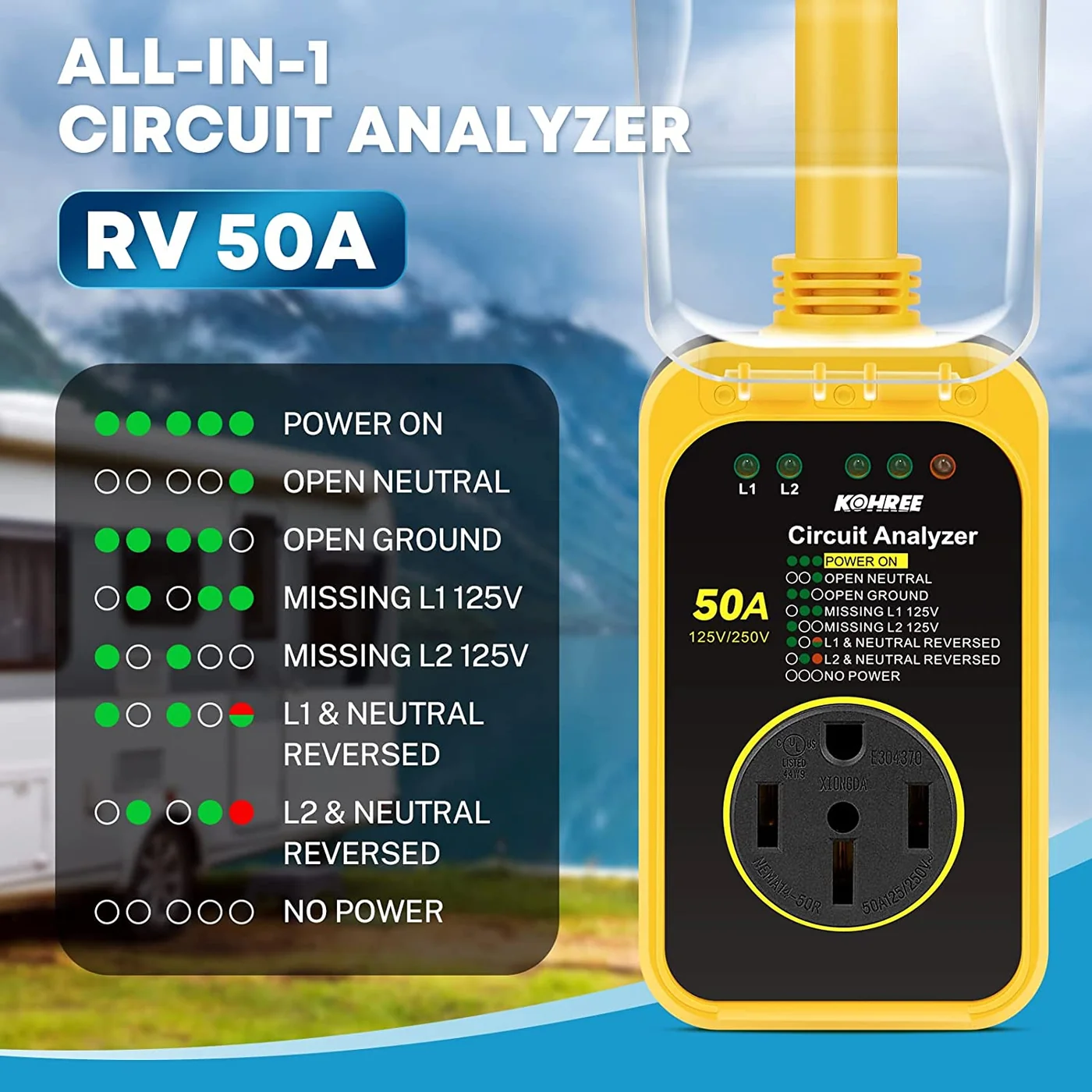
The primary issue stems from how RV surge protectors and inverters function electrically. An RV surge protector is designed to monitor shore power for voltage spikes, low voltage conditions, and wiring faults. One of its critical safety checks is ensuring the pedestal has a proper ground-to-neutral bond, which is standard in grid power.
Most portable inverters, however, produce “floating neutral” power. This means the neutral line is not physically tied to the ground terminal within the inverter’s circuitry. When your surge protector senses this lack of a bond, it interprets the situation as a dangerous wiring fault. Consequently, the surge protector will refuse to pass power to your RV, effectively rendering your electrical system dead despite having a functional inverter.
Why Surge Protection Might Still Be Necessary
While plugging the protector directly into the inverter is often futile, the need for protection remains. Inverters can experience voltage spikes or surges, especially when heavy loads like air conditioners or microwave ovens cycle on and off. If you are using a high-end inverter generator or a hardwired inverter system, the electrical path is different, but the risk of equipment damage from power fluctuations persists.
Many RV owners mistakenly believe that because they are “off-grid,” they are immune to power surges. In reality, the sensitive electronics inside modern RVs—such as converter chargers, residential refrigerators, and smart TVs—are just as susceptible to internal surges caused by inverter instability as they are to external spikes from a faulty campground pedestal.
Technical Comparison of Power Sources
| Feature | Shore Power (Pedestal) | Portable Inverter |
|---|---|---|
| Ground-Neutral Bond | Yes (Required) | No (Floating) |
| Voltage Stability | Variable (Can be unstable) | Stable (Pure Sine Wave) |
| Surge Protector Compatibility | High | Low (Without Modification) |
| Common Fault Trigger | Open Ground/Reverse Polarity | Ground Fault/Missing Bond |
Steps to Safely Manage Inverter Power
If you are determined to use your surge protector with an inverter, you must address the ground-neutral bond issue safely. Follow these steps to determine if your specific setup allows for this configuration:
Read also: How to Test an Inverter with a Multimeter
- Consult your inverter manual to see if it allows for a “neutral-ground bonding plug” to be installed in one of the outlet receptacles.
- Purchase or construct a bonding plug, which is a simple electrical plug that connects the ground pin to the neutral pin inside the housing.
- Insert the bonding plug into a spare outlet on the inverter or an unused outlet on the power strip attached to the inverter.
- Connect your RV surge protector to the main inverter output.
- Check the surge protector’s status lights; if the bonding plug is effective, the surge protector should now recognize a “correct” wiring configuration and allow power to pass through to your RV.
Common Mistakes and Safety Warnings
One of the most dangerous mistakes is trying to bypass the surge protector entirely using a “cheater plug” or an adapter that removes the ground pin. Never bypass safety features to force a connection. If the surge protector is showing a fault, it is doing its job by identifying an electrical state that could be hazardous to your appliances or your personal safety.
Another common error is assuming all surge protectors behave the same way. Some “smart” RV surge protectors have sensitivity settings that can be adjusted via a smartphone app. If you own a premium unit, check the settings to see if the “ground fault” sensitivity can be adjusted. However, be aware that lowering these sensitivities may reduce the protection level of the device.
📷 Photo by kohree.com
The Role of Hardwired Systems
If you have a hardwired inverter system installed in your RV, the situation changes. These systems often incorporate an Automatic Transfer Switch (ATS). In this configuration, the surge protector is usually installed between the shore power inlet and the main distribution panel. Because the inverter is wired downstream of the transfer switch, the surge protector only monitors the shore power input. This is the professional standard for RV electrical design, as it keeps the protection focused on the most vulnerable point of entry.
Frequently Asked Questions
Q: Will my inverter be damaged if the surge protector trips?
A: Generally, no. Most surge protectors act as a simple open circuit when they detect a fault. They stop the flow of electricity, which protects your RV appliances, but it does not cause a back-feed that would damage the inverter.
Q: Can I use a surge protector designed for home use instead of an RV one?
📷 Photo by amazon.com
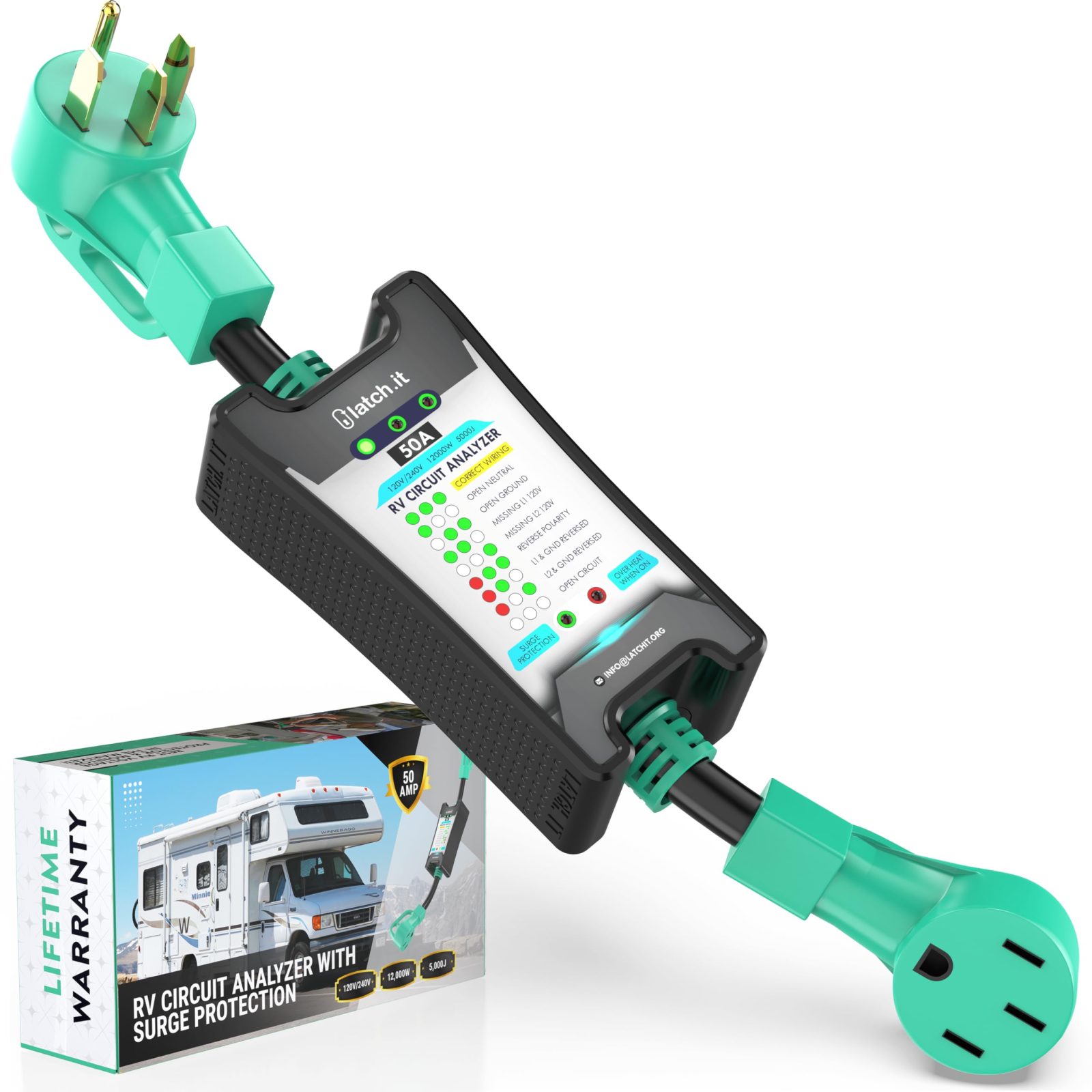
A: It is not recommended. Home surge protectors are not weather-rated for the vibration and moisture environments found in RV storage bays or external power pedestals, and they lack the specific diagnostic features required for RV electrical systems.
Q: Is it better to leave the surge protector off when using an inverter?
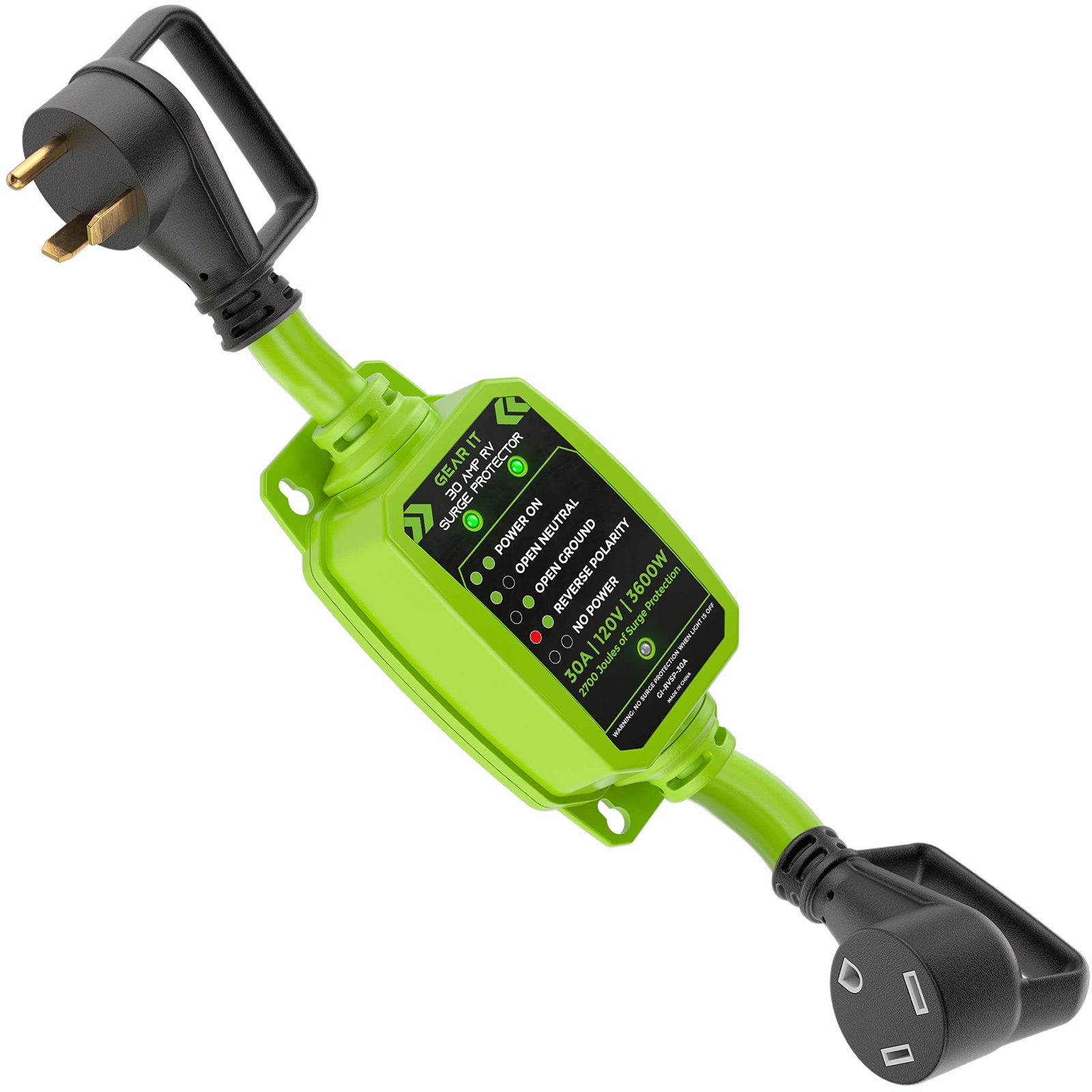
A: If your inverter is a pure sine wave unit and you are powering only low-draw, non-sensitive items, you may be safe. However, if you are powering expensive electronics, it is always better to have a properly functioning surge protection system in place, even if it requires a bonding plug modification.
📷 Photo by amazon.com
Final Considerations for Your Setup
Ultimately, the goal is to balance electrical safety with convenience. If you find that your surge protector constantly blocks your inverter, evaluate whether the risk of a surge from your specific inverter warrants the extra effort of creating a bonded neutral system. For most users, using a high-quality pure sine wave inverter is sufficient protection for internal appliances, provided the inverter is kept in good working order and not overloaded.
📷 Photo by outdoorcarry.com