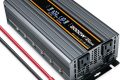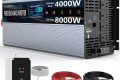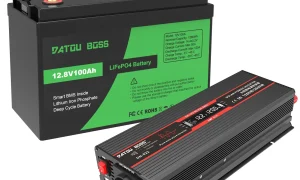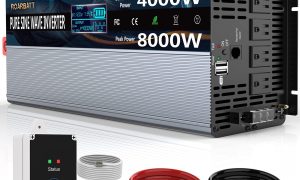



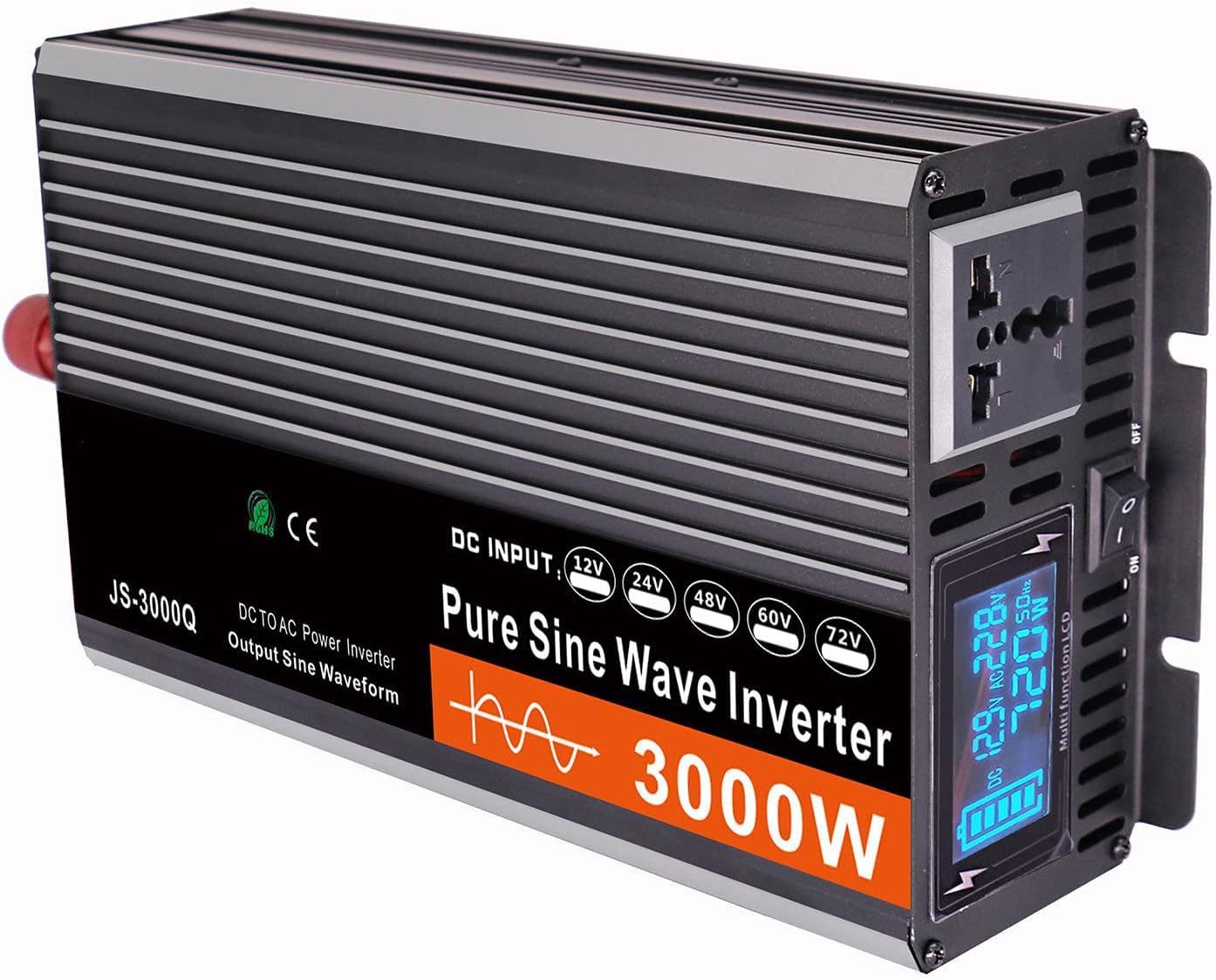
Vanonpower.com – Selecting a pure sine wave inverter for sensitive medical and audio equipment requires matching the total wattage of your devices with a safety margin of at least 20-30% to account for peak startup surges and to prevent harmonic distortion that can damage delicate circuitry. A true pure sine wave output is non-negotiable because it replicates the smooth, consistent electrical flow of grid power, unlike modified sine wave inverters that can introduce electrical noise or cause equipment malfunctions.
Why Pure Sine Wave is Critical for Sensitive Loads
Medical devices such as oxygen concentrators, nebulizers, and portable dialysis machines rely on precise electronic timing and sensitive sensors. If the power supply is “dirty”—characterized by the choppy, stepped waves of a modified sine wave inverter—these devices may experience overheating, erratic readings, or complete failure. Similarly, high-end audio equipment like studio monitors, pre-amps, and mixers are extremely susceptible to electromagnetic interference (EMI).
When you feed audio gear with a non-pure sine wave, you will almost certainly hear a persistent 60Hz hum or buzzing sound in your speakers. This is caused by high-frequency harmonics inherent in modified sine wave technology. For medical gear, the risk is not just audio degradation but actual hardware damage to sensitive microcontrollers that manage life-critical functions.
Calculating Your Power Requirements
To size your inverter correctly, you must distinguish between continuous power and surge (peak) power. Most medical and audio equipment labels list the wattage, but they rarely highlight the initial “inrush” current. For example, a refrigerator or a vacuum pump in a medical device may draw three to five times its running wattage for a split second when it starts. Failing to account for this will trigger the inverter’s overload protection immediately upon startup.
A simple formula for sizing is: (Total Continuous Wattage of all devices) + (The single highest startup surge wattage) + (25% safety buffer). This buffer ensures your inverter runs cool and efficient, prolonging the lifespan of both the inverter and your sensitive electronics.
Comparative Analysis: Inverter Specifications
| Feature | Modified Sine Wave | Pure Sine Wave |
|---|---|---|
| Waveform Quality | Stepped/Square | Smooth/Clean |
| Audio Equipment | Causes buzzing/interference | Silent/Clear output |
| Medical Equipment | Risk of damage/failure | Safe/Reliable |
| Efficiency | Lower (higher heat) | Higher (cooler operation) |
Step-by-Step Selection Guide
Follow these steps to ensure you choose the right unit for your specific needs:
- List every device you intend to power simultaneously. Check the back of each unit for a label stating “Watts” or “W.” If only “Amps” are listed, multiply Amps by Volts (e.g., 2 Amps x 120V = 240 Watts).
- Identify the “inductive” loads. Any device with a motor, compressor, or large transformer will have a high surge rating. Note the highest surge rating among your devices.
- Add your total continuous wattage and add the highest surge wattage to that sum, then increase the total by 30% for a safety margin.
- Verify the inverter’s Total Harmonic Distortion (THD). For medical and professional audio gear, look for an inverter with less than 3% THD to ensure the cleanest possible power delivery.
- Select an inverter that supports your battery bank voltage (12V, 24V, or 48V) and matches your required wattage output.
Common Pitfalls to Avoid
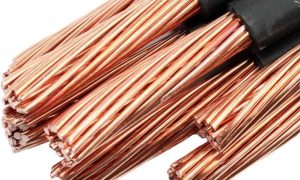
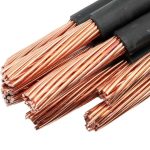
One of the most frequent mistakes users make is underestimating the length and gauge of the DC cables connecting the battery to the inverter. If your cables are too thin or too long, you will experience a significant voltage drop. This forces the inverter to draw even more current from the battery to compensate, which can lead to overheating or low-voltage shutdowns during peak loads. Always use the thickest cables recommended by the manufacturer.
Another error is ignoring the “idle power consumption.” Even when your medical or audio equipment is turned off, the inverter itself consumes power just by being switched on. If you are operating off-grid with limited battery capacity, ensure your chosen inverter has an “ECO” or “Power Save” mode to minimize battery drain when the load is low.
The Importance of Grounding
Sensitive audio equipment is particularly prone to ground loops, which create unwanted hums. When using an inverter, ensure the unit is properly chassis-grounded to a physical earth rod if possible, or at least to the negative terminal of your battery system according to the manufacturer’s instructions. A floating ground in an inverter setup is a common source of noise in audio recordings and can sometimes cause sensors in medical diagnostic tools to provide inaccurate data.
Frequently Asked Questions
Q: Can I use a modified sine wave inverter if I only need to power a small digital thermometer?
A: While simple digital devices might function, it is not recommended. The lack of a smooth sine wave can lead to inaccurate temperature readings or premature failure of the internal circuit board due to high-frequency noise.
Q: Why does my inverter get hot when I power my audio mixer?
A: If your inverter is running hot, it is likely being pushed near its maximum capacity or it is struggling to handle the reactive load of the audio equipment. Ensure your inverter is rated for at least 50% more than your steady-state load to allow for efficient heat dissipation.
Q: Is there a difference between “Pure Sine Wave” and “True Sine Wave”?
A: No, these terms are used interchangeably in the industry to describe the same high-quality, grid-like power output. Both are safe for sensitive electronics.
By prioritizing a pure sine wave inverter, you protect your investment in high-precision medical and audio hardware. While the upfront cost is higher compared to modified units, the long-term reliability and the prevention of equipment damage make it the only logical choice for sensitive applications.
📷 Photo by amazon.com