

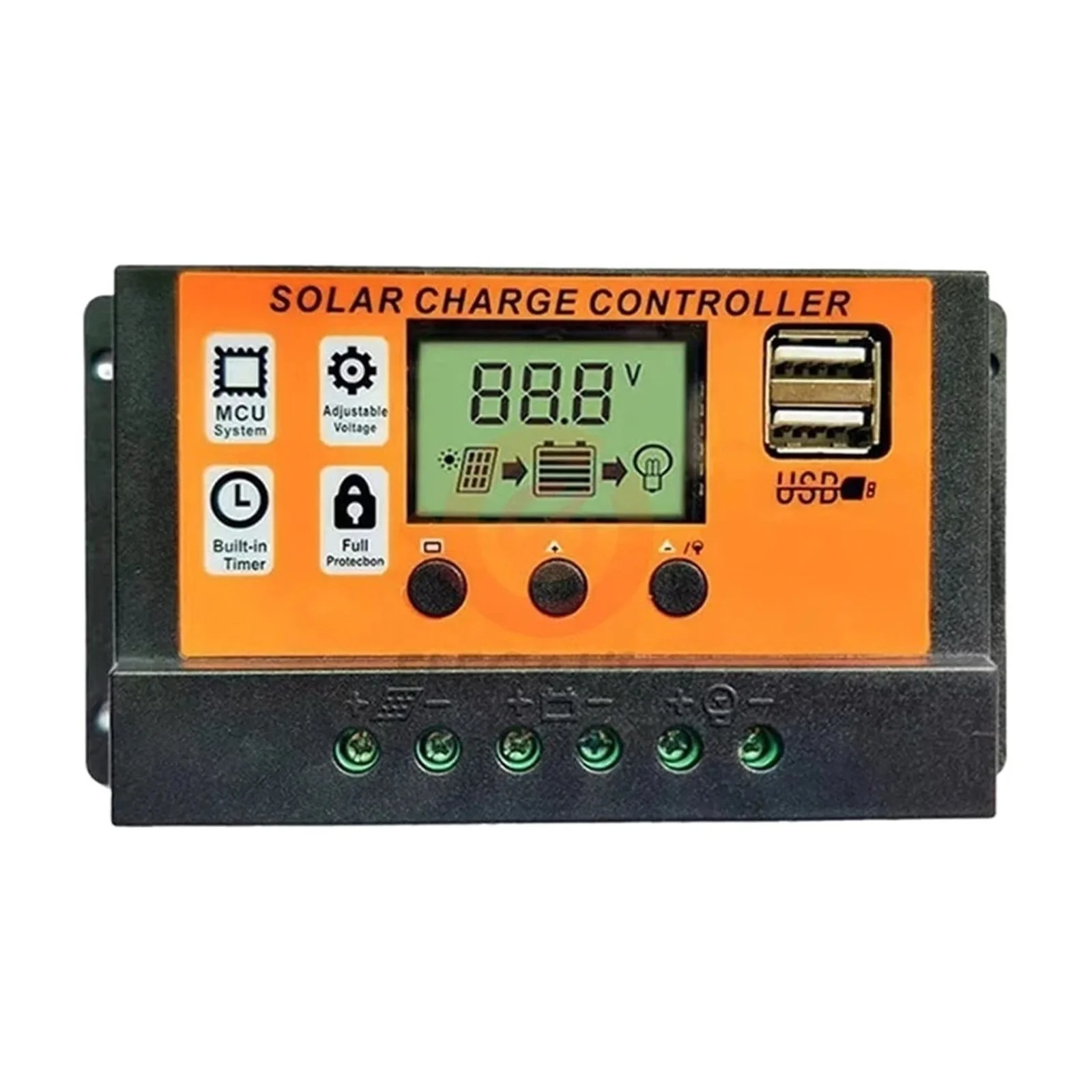
Vanonpower.com – Maximum Power Point Tracking (MPPT) is an advanced electronic technique used by solar charge controllers to continuously adjust the electrical load on solar panels, ensuring they operate at the specific voltage and current combination that produces the absolute maximum power output regardless of environmental conditions.
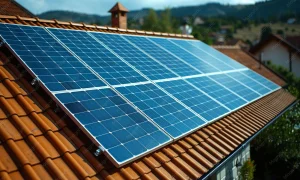
Solar panels are inherently non-linear power sources. Their ability to generate electricity is heavily dependent on factors like solar irradiance, ambient temperature, and shading. Without an MPPT controller, a solar panel is forced to operate at the battery’s voltage level, which is often far from the panel’s optimal power point. This mismatch results in significant energy loss, as the panel is prevented from delivering its full potential capacity to the system.
The Physics Behind Maximum Power Point
Every photovoltaic module has a specific Voltage-Current (V-I) curve. Within this curve, there is a single point known as the Maximum Power Point (MPP). At this point, the product of voltage and current is at its highest value. As sunlight intensity changes throughout the day, this MPP shifts dynamically. If the temperature increases, the voltage output typically drops, causing the MPP to slide along the curve.
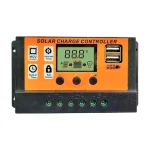
An MPPT controller acts as a high-frequency DC-to-DC converter. It takes the higher voltage DC input from the solar panels and converts it down to the lower voltage required to charge the batteries, while simultaneously increasing the current. By constantly scanning the array’s output, the controller finds the “sweet spot” and locks onto it, ensuring that the wattage transferred to the battery is maximized.
Why Traditional PWM Controllers Fall Short
Before MPPT technology became the industry standard, Pulse Width Modulation (PWM) controllers were the primary choice. A PWM controller essentially acts as a switch that connects the solar array directly to the battery bank. While this is simple and inexpensive, it forces the solar panel to operate at the battery’s voltage.
If you have a 12V battery and a solar panel capable of producing 18V at its MPP, a PWM controller will pull the panel down to 12V. You lose the extra 6V of potential power, which translates to a significant loss in total wattage. MPPT controllers bridge this gap, allowing the panels to run at their peak voltage while delivering the correct charging voltage to the batteries.
Comparison of Controller Technologies
| Feature | PWM Controller | MPPT Controller |
|---|---|---|
| Efficiency | 65% – 75% | 95% – 99% |
| Cost | Low | Higher |
| Panel Compatibility | Limited (Voltage match required) | High (Flexible voltage range) |
| Best Use Case | Small, budget-friendly setups | Large arrays and off-grid systems |
How to Properly Install an MPPT Controller
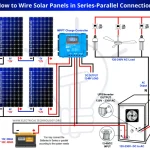
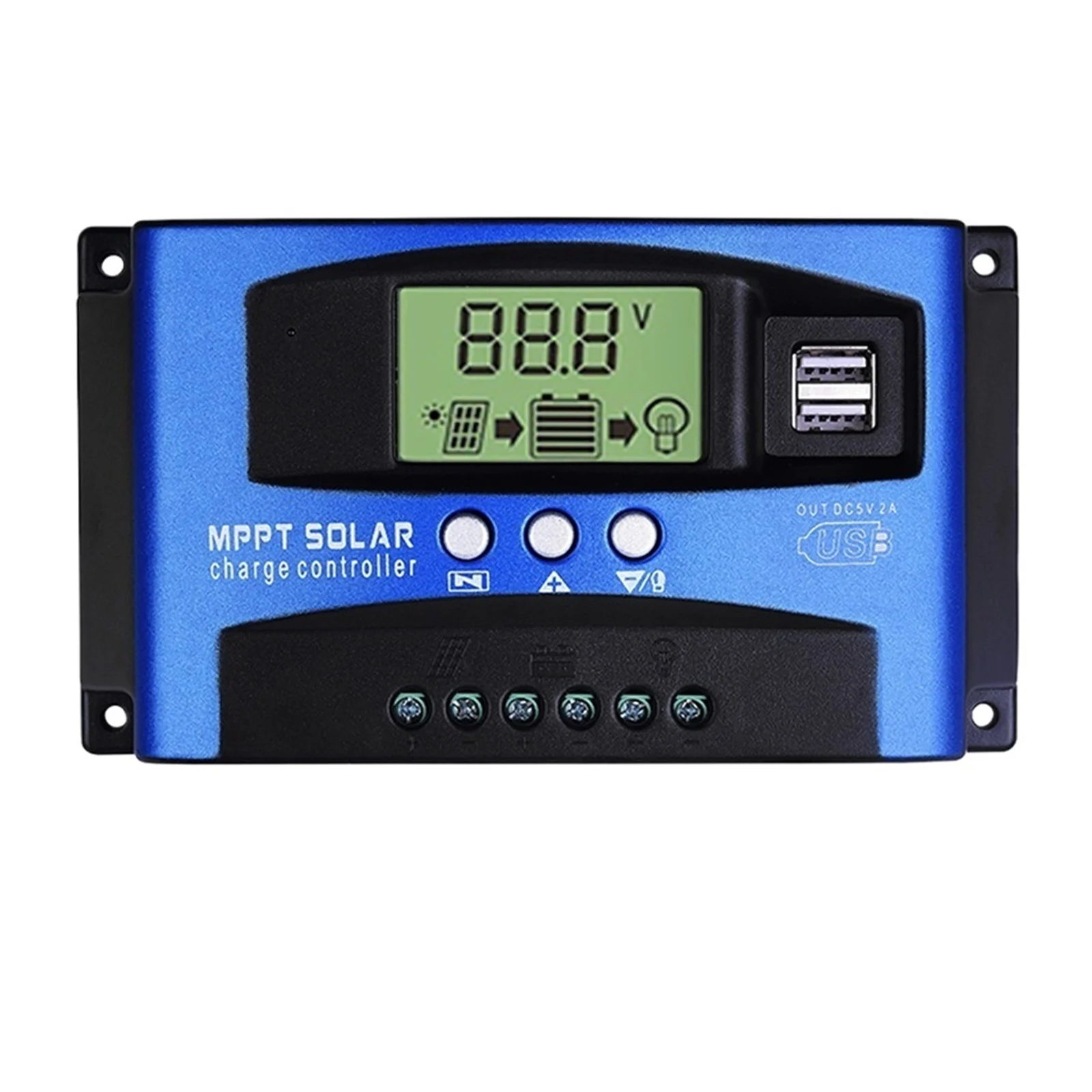
Installing an MPPT controller requires careful attention to wiring sequences to prevent damage to the internal circuitry. Follow these steps to ensure a safe and efficient connection:
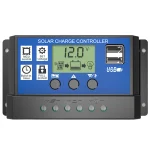
📷 Photo by walmart.com
- Connect the battery bank to the MPPT controller first. This allows the controller to detect the system voltage (12V, 24V, or 48V) and calibrate its internal logic.
- Ensure the battery connections are secure and the polarity is correct; reversing polarity can permanently damage the unit.
- Connect the solar panel array to the controller’s input terminals. Only do this after the battery is connected to prevent a voltage surge.
- Verify that the open-circuit voltage (Voc) of your solar array does not exceed the maximum input voltage rating of the MPPT controller, as this will void the warranty and risk fire.
- Check the display or mobile app interface to ensure the controller has recognized the solar input and has begun the charging process.
Common Challenges and Best Practices
One of the most frequent mistakes users make is under-sizing the MPPT controller for their solar array. If the amperage output of your solar array exceeds the controller’s rating, the device will limit the power, effectively wasting the extra energy your panels are producing. Always choose a controller with a slightly higher amperage capacity than your array’s maximum output.
Temperature compensation is another critical feature to look for. Because solar panels perform worse in high heat, some MPPT controllers include a remote temperature sensor. This allows the controller to adjust charging parameters based on the actual battery temperature, which extends the lifespan of lead-acid and lithium battery banks alike.
Risks of Ignoring MPPT Calibration
Ignoring the maximum voltage limits of an MPPT controller is a recipe for disaster. If the solar array voltage is too high, the internal components of the controller can overheat and fail. Furthermore, improper grounding in a solar system can lead to ground faults. Always ensure that your installation adheres to local electrical codes and that all metal enclosures are properly bonded to the grounding system.
Frequently Asked Questions
Q: Can I use an MPPT controller with any type of solar panel?
A: Yes, MPPT controllers are compatible with almost all types of solar panels, provided that the array’s open-circuit voltage remains within the controller’s specified input range.
Q: Is an MPPT controller worth the extra investment for a small system?
A: It depends on your climate and panel configuration. In cold weather or with high-voltage grid-tie panels, an MPPT controller can provide 20% to 30% more power than a PWM controller, making it a highly cost-effective upgrade over the long term.
Q: Does an MPPT controller consume power to operate?
📷 Photo by desertcart.co.za
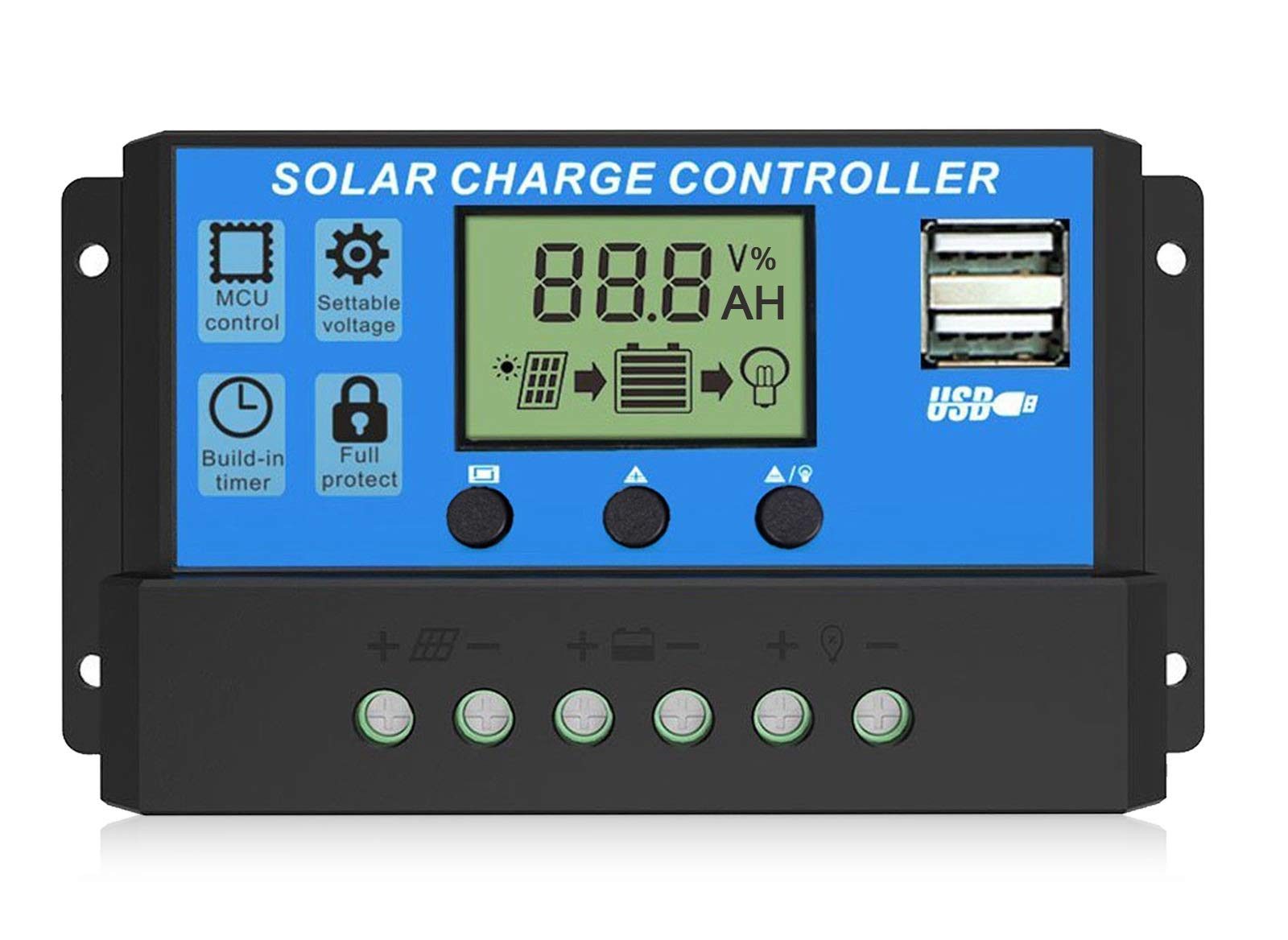
A: Yes, like any electronic device, an MPPT controller requires a small amount of power to run its internal processor and cooling systems, but this “self-consumption” is negligible compared to the massive gains in energy harvest it provides.
📷 Photo by walmart.com