
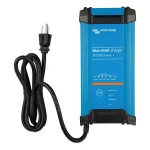


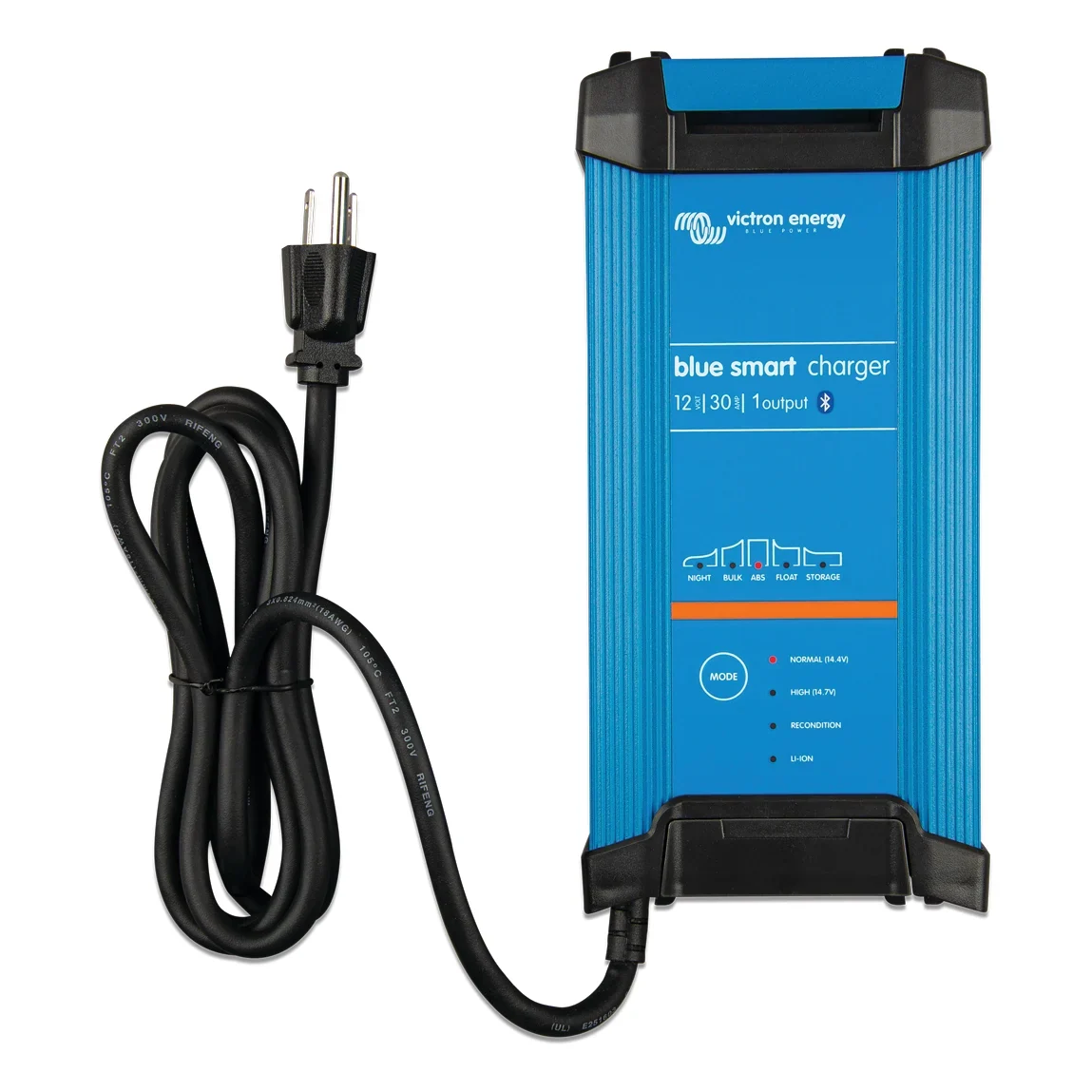
Vanonpower.com – To calculate the charging time of an AC shore power charger, divide the total battery capacity in Amp-hours (Ah) or Watt-hours (Wh) by the effective charging current or power output, while accounting for a 15-20% efficiency loss.
Understanding how long your battery bank takes to reach full capacity is essential for effective energy management, especially when relying on shore power at marinas or campsites. Many users make the mistake of assuming a charger operates at 100% efficiency, leading to unexpected wait times when a battery takes significantly longer to charge than calculated.
The Fundamental Formula for Charging Time
The basic mathematical approach is simple: divide the battery capacity by the charger output. However, real-world conditions require adjustments. If you are using a charger rated in Amps, you use the Amp-hour capacity of your battery. If your charger is rated in Watts, you use the Watt-hour capacity.
The primary variable that often gets overlooked is the charging curve. Lead-acid and lithium batteries do not accept a constant charge rate from start to finish. As the battery approaches 80% to 100% capacity, the internal resistance increases, and the charger automatically tapers the current to prevent damage. This means the final 20% of the charge often takes as long as the first 80%.
Key Factors Influencing Charge Time
Several technical factors dictate the actual time elapsed during a charging cycle. Ignoring these can result in an inaccurate estimate, leaving you without power when you need it most.
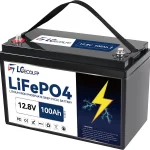
- Battery Chemistry: Lithium (LiFePO4) batteries accept high currents until nearly full, whereas lead-acid or AGM batteries require a slow absorption phase once they cross the 80% threshold.
- Depth of Discharge (DoD): Charging from 20% to 100% takes substantially longer than topping off from 80% to 100%.
- Voltage Drop: If your shore power cable is too long or undersized, voltage drop will reduce the charger output, effectively slowing down the charging process.
- Charger Efficiency: AC-to-DC conversion is not perfectly efficient; heat dissipation results in energy loss, usually requiring you to multiply your result by a factor of 1.15 or 1.2.
Comparison of Charging Characteristics by Battery Type
| Battery Type | Acceptance Rate | Efficiency Factor | Typical Charging Strategy |
|---|---|---|---|
| Lithium (LiFePO4) | High (Up to 1C) | 95% – 98% | Bulk charge until full |
| AGM / Sealed Lead Acid | Low (0.2C – 0.3C) | 80% – 85% | Bulk, Absorption, Float |
| Gel Cell | Very Low (0.1C – 0.2C) | 80% – 85% | Strict voltage regulation |
Step-by-Step Calculation Guide
Follow these steps to estimate your charging time accurately. For this example, we will calculate the time for a 200Ah battery using a 40A charger.
- Determine the usable capacity: If you have a 200Ah battery and want to charge it from 20% to 100%, you need to replace 160Ah (80% of 200Ah).
- Apply the efficiency factor: Multiply the required Amp-hours by the efficiency loss (1.2). 160Ah multiplied by 1.2 equals 192Ah of total required energy intake.
- Divide by charger output: Take the 192Ah figure and divide it by the charger’s output in Amps (40A).
- Calculate the result: 192 divided by 40 equals 4.8 hours.
- Adjust for the absorption phase: Because lead-acid batteries slow down at the end, add 1-2 hours to the final result to account for the tapering current.
Common Mistakes to Avoid
One of the most frequent errors is ignoring the “C-rate” of the battery. The C-rate describes how fast a battery can be charged relative to its capacity. Attempting to force a charge faster than the manufacturer’s recommended C-rate will trigger the Battery Management System (BMS) to shut down or, in the case of lead-acid, cause the battery to overheat and vent gas.
Another common mistake is using the maximum rated power of the shore power pedestal rather than the rated output of the charger itself. Your shore power connection might provide 30 Amps at 120V, but if your battery charger is only rated for 20 Amps, the charger will only ever pull what it is designed to handle. Always look at the DC output label on the charger, not the AC input rating.
Practical Tips for Faster Charging
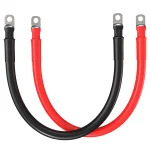
If you find that your charging times are consistently too long, consider upgrading your charger to one with a higher amperage output, provided your battery manufacturer permits it. Ensure that your cable connections are clean and tight; corrosion on terminal lugs creates resistance, which generates heat and reduces the effective current reaching the battery.
Read also: Why Lithium Iron Phosphate Is the Safest Chemistry for Vans
Additionally, monitor the temperature. Batteries charge most efficiently within a specific temperature range (typically 20°C to 25°C). Charging in extreme cold significantly increases internal resistance, which can double or triple the time required to reach a full state of charge.
Frequently Asked Questions
Q: Does the size of my AC shore power cable affect charging speed?
A: Only if the cable is extremely long or undersized, leading to a significant voltage drop that forces the charger to work harder or trigger a fault state.
Q: Why does my charger show 100% quickly, but the battery dies fast?
A: This is likely due to “surface charge” or a sulfated lead-acid battery that has lost its capacity; the voltage rises quickly, but the actual energy storage (Amp-hours) is severely diminished.
Q: Should I always charge at the maximum amperage?
A: No, charging at a lower rate is generally better for the long-term cycle life of the battery, as it produces less heat and reduces stress on the internal plates or cells.
By applying these calculations and understanding the physical limitations of your battery bank, you can optimize your time at the dock and ensure your power systems remain reliable for the duration of your trip.
📷 Photo by evergreenoffroad.com