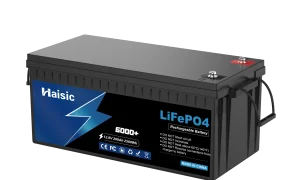



Vanonpower.com – To charge a 200Ah 12V battery in a single day, you typically need between 400W and 600W of solar panels, depending on your geographic location, peak sun hours, and the battery’s depth of discharge.
Calculating the exact number of solar panels required for a 200Ah battery involves understanding the total energy capacity of the battery and how many hours of effective sunlight you receive. A 12V 200Ah battery holds approximately 2,400 watt-hours (Wh) of energy. However, because you generally should not discharge a battery to zero (especially with lead-acid types), you are often looking to replenish about 50% to 80% of that capacity daily.
Determining Your Power Requirements
The primary factor in your calculation is the “Peak Sun Hour.” This does not mean the number of hours the sun is visible in the sky, but rather the number of hours where the intensity of sunlight is sufficient to produce maximum power from your panels. Most regions average between 4 to 6 peak sun hours per day. If you live in a cloudy region, your solar array must be larger to compensate for the lack of consistent intensity.
Efficiency losses must also be accounted for. Solar charging systems lose energy through heat, wiring resistance, and charge controller inefficiency. A safe rule of thumb is to assume an 80% system efficiency. If you need to replace 1,200Wh (a 50% discharge of a 200Ah battery) in 5 hours of sunlight, you would calculate: 1,200Wh divided by 5 hours equals 240W, then divided by 0.8 efficiency equals 300W of panels. To be safe and account for less-than-ideal weather, opting for a 400W to 500W setup is the industry standard for this battery size.
Solar Panel Configuration Comparison
| Battery State of Charge | Required Energy Input | Recommended Solar Array |
|---|---|---|
| 25% Discharge | 600Wh | 200W |
| 50% Discharge | 1,200Wh | 400W |
| 80% Discharge | 1,920Wh | 600W |
Steps to Properly Size Your Solar Array
Follow these steps to ensure you have enough power for your specific off-grid setup:
- Assess your daily power consumption in watt-hours by multiplying your device wattage by the hours used.
- Determine the average peak sun hours for your specific location using a solar irradiance map.
- Calculate the total wattage needed by dividing your daily energy usage by the peak sun hours, then adjust for system losses by dividing by 0.8.
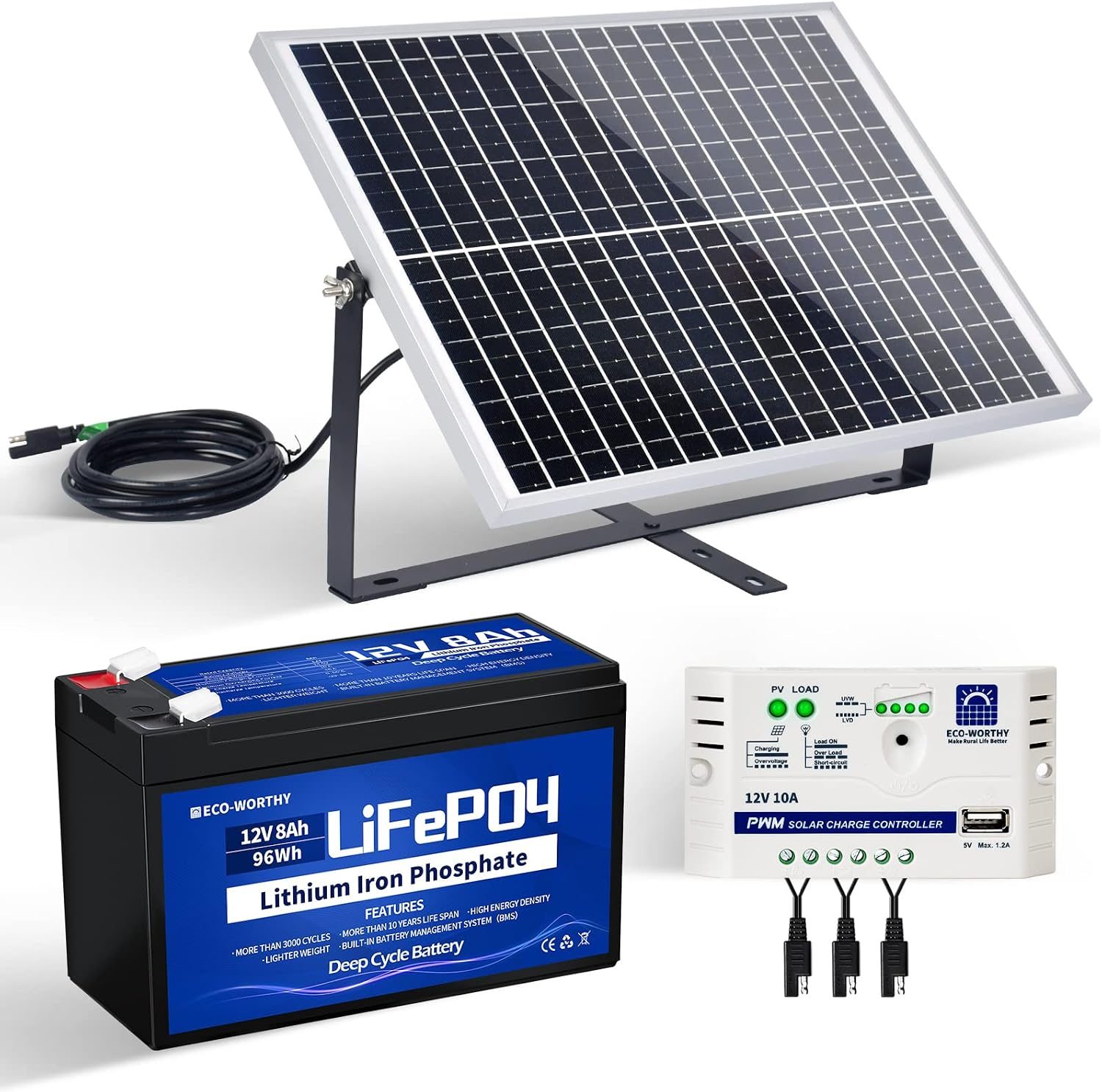
- Select a solar charge controller that matches the amperage output of your solar array to prevent battery damage.
- Ensure your mounting location is free from shade throughout the day, as even partial shading on one panel can significantly drop the output of the entire string.
Common Mistakes and Practical Tips
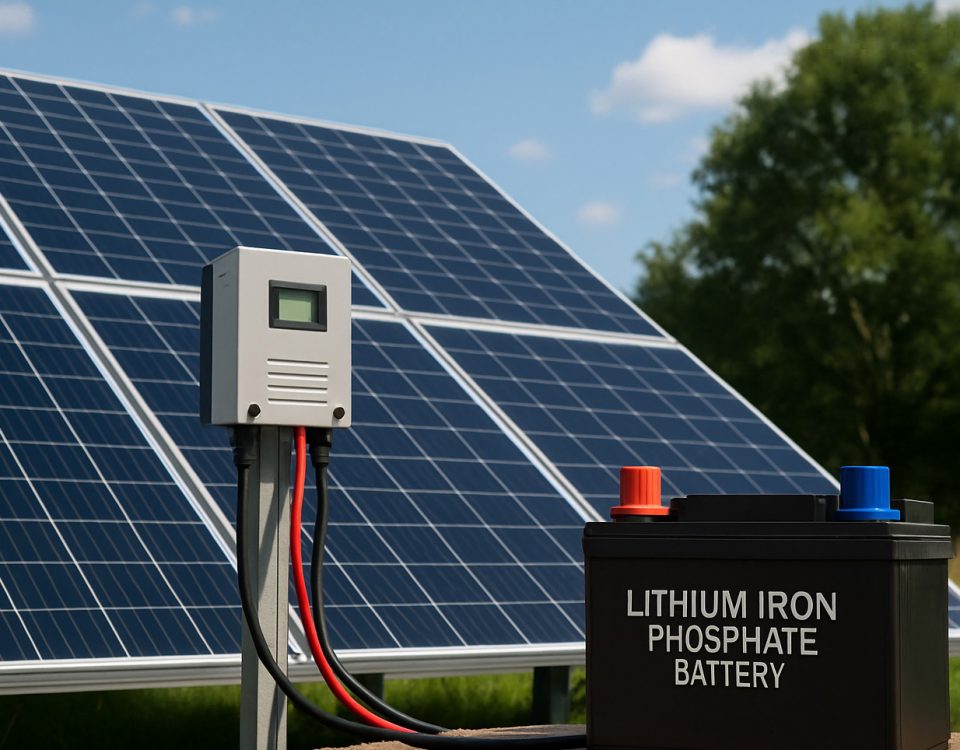
One of the most frequent mistakes users make is ignoring the voltage compatibility between their panels and the battery bank. If you use a 12V battery, you must use a charge controller (MPPT is highly recommended) to step down the higher voltage from solar panels to the 14.4V required for charging. Using a PWM controller with high-voltage residential panels is a common error that leads to massive energy waste.
Another pitfall is the orientation and tilt of the panels. Many people install panels flat on a roof, which is convenient but rarely optimal. If you are in the northern hemisphere, your panels should ideally face true south. Adjusting the tilt angle seasonally—steeper in winter and flatter in summer—can increase your daily energy harvest by up to 20%. Keep your panels clean as well; dust, bird droppings, and pollen can reduce output by 5% to 15% in just a few weeks.
Read also: 12V vs 24V vs 48V Battery Bank: Sizing Calculator and Comparison
Risks of Under-sizing Your System
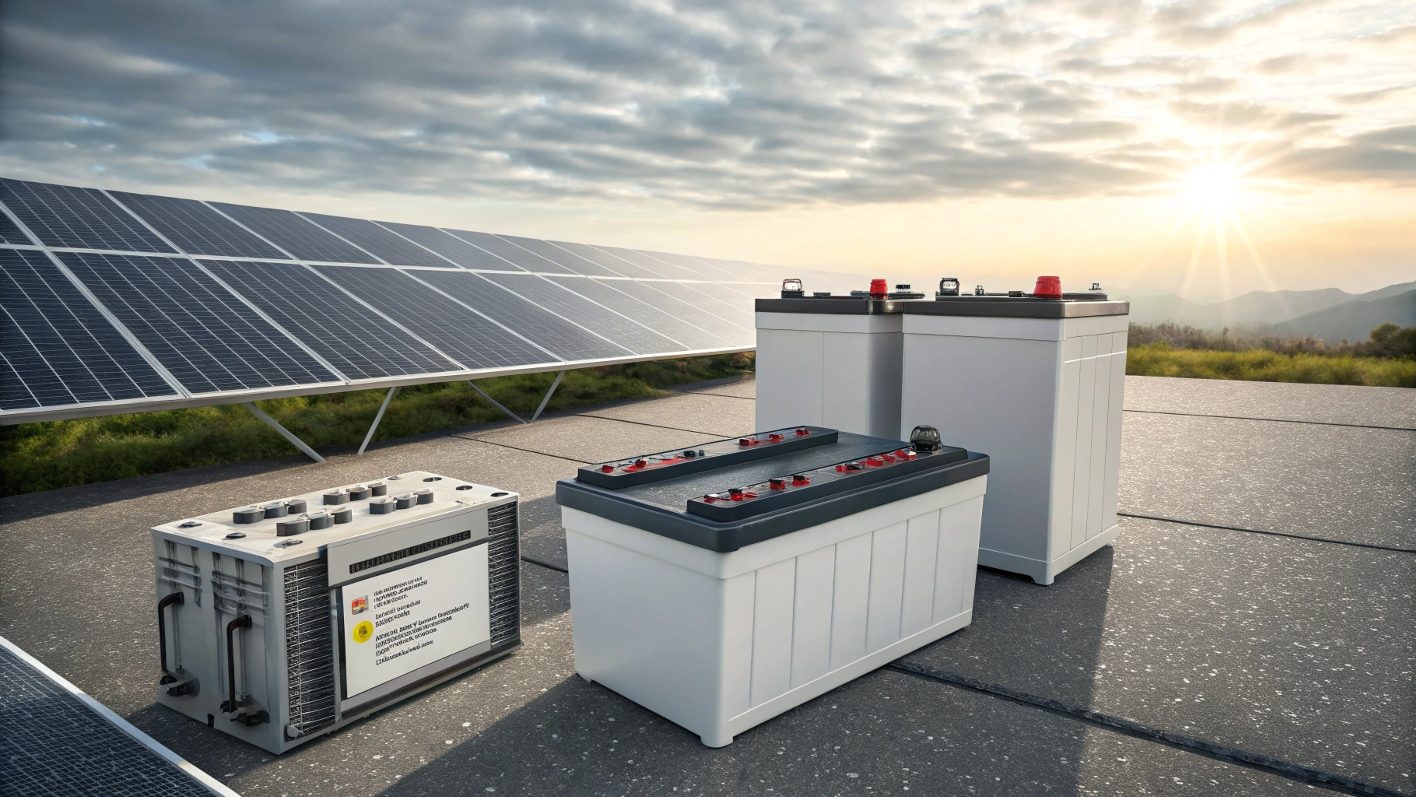
If you consistently under-size your solar array, your 200Ah battery will rarely reach a full state of charge. This is particularly damaging for lead-acid or AGM batteries, which will begin to sulfate if left in a partial state of charge for extended periods. This shortens the battery lifespan significantly, turning a five-year investment into one that fails in less than eighteen months. Even with Lithium (LiFePO4) batteries, which handle partial states of charge better, you risk running out of power during consecutive days of overcast weather.
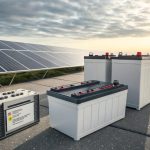
📷 Photo by bl.haveltango.de
“Always design your solar system based on your worst-case scenario—the days with the least sunlight—rather than your best-case sunny summer days.”
Frequently Asked Questions
Q: Can I use a single 100W panel to charge a 200Ah battery?
A: Yes, it will charge the battery, but it will take multiple days to fully replenish a depleted 200Ah battery. It is not recommended if you rely on the battery for daily power needs.
Q: Does the battery type change how many panels I need?
A: While the chemistry (Lead-acid vs. Lithium) doesn’t change the physics of the energy required to refill the capacity, Lithium batteries can accept a higher charge rate. This means you can use a larger solar array to charge them faster without damaging them, whereas lead-acid batteries have strict current limits.
Q: What happens if I have too many solar panels?
📷 Photo by richye.com
A: You cannot have “too many” panels as long as you have a proper charge controller. The controller will regulate the current and prevent the battery from overcharging, essentially throttling the extra power that the battery does not need.
In summary, while 400W is the baseline for a 200Ah battery, your personal usage habits and local climate dictate the final decision. If you plan to expand your electrical usage in the future, it is always more cost-effective to buy a slightly larger charge controller and a few extra watts of panels now rather than reconfiguring your entire system later.
📷 Photo by gycxsolar.com