


Vanonpower.com – Choosing between 12V, 24V, and 48V battery banks depends primarily on your total power consumption needs, as higher voltages allow for thinner wiring and lower current losses in large-scale off-grid systems. A 12V system is ideal for small, portable setups, while 24V and 48V configurations are significantly more efficient for home solar arrays and heavy-duty appliances.
Understanding Voltage in Off-Grid Systems
When designing a battery bank, the voltage acts as the pressure that pushes electricity through your wires. Many beginners assume that higher voltage always means more power, but voltage actually dictates how efficiently that power is delivered. The fundamental relationship between power, voltage, and current is defined by the formula P = V x I (Power = Voltage x Current).
If you have a 1200W load, a 12V system must handle 100 amps of current, whereas a 48V system only needs to handle 25 amps. This difference is critical because higher current requires thicker, more expensive copper cabling and increases the risk of voltage drop, which leads to energy waste and heat generation.
Comparing Battery Bank Architectures
The choice of voltage often dictates the type of inverter and solar charge controller you must purchase. While 12V is the standard for automotive and small RV applications, it becomes inefficient for systems exceeding 1000W of continuous draw. 24V offers a middle ground, often used in medium-sized cabins or marine installations. 48V has become the industry standard for modern home energy storage systems because it maximizes efficiency and minimizes the physical size of the cabling required.
| Feature | 12V System | 24V System | 48V System |
|---|---|---|---|
| Best For | Small RVs, Camping | Medium Cabins, Boats | Whole-home Solar |
| Wiring Gauge | Thick (Heavy) | Medium | Thin (Light) |
| Efficiency | Low | Medium | High |
| Max Recommended Load | Up to 1000W | 1000W – 3000W | 3000W+ |
How to Size Your Battery Bank Correctly
Sizing your system requires calculating your total daily energy consumption in Watt-hours (Wh). You must account for your peak load, the total discharge depth of your batteries, and the number of days of autonomy you require for cloudy weather.
- Calculate your total daily energy consumption by adding up the wattage of every appliance multiplied by the hours they run per day.
- Determine your desired autonomy; if you need to run for two days without solar input, multiply your daily consumption by two.
- Select your system voltage based on the total wattage; use 12V for under 1kW, 24V for 1-3kW, and 48V for anything above 3kW.
- Divide your total Watt-hour requirement by the system voltage to get the required Amp-hour (Ah) capacity.
- Apply a safety factor by increasing the total capacity by 20-30% to avoid deep discharging the batteries, which significantly shortens their lifespan.
Common Pitfalls in System Design
One of the most frequent mistakes is mixing battery chemistries or ages within the same bank. If you connect a new battery in parallel with an old one, the older battery will drag down the performance of the new one, often causing the entire bank to fail prematurely. Always use batteries of the same brand, model, and age.
Another issue is ignoring voltage drop. Even with high-quality copper cables, if your battery bank is located too far from your inverter, you will lose power as heat. Always keep the distance between your battery bank and your inverter as short as possible. If you must have a long run, you must increase the thickness of the cables, which adds significant cost to the project.
The Role of Charge Controllers
The voltage of your battery bank also determines the type of solar charge controller you need. An MPPT (Maximum Power Point Tracking) controller is essential for larger systems, especially when moving to 24V or 48V. An MPPT controller can take high-voltage input from solar panels and step it down to the charging voltage of your battery bank, effectively capturing more energy than traditional PWM controllers. If you are building a 48V system, ensure your MPPT controller is rated for 48V operation to avoid damaging your equipment.
Why 48V is Becoming the Standard
For those planning for future expansion, starting with a 48V architecture is almost always the smarter financial move. Because 48V systems use lower current for the same amount of power, the components—such as circuit breakers, fuses, and charge controllers—are generally cheaper and easier to source in higher capacities. Furthermore, as battery technology advances, most high-capacity lithium iron phosphate (LiFePO4) server-rack batteries are designed specifically for 48V/51.2V systems, making them “plug and play” for modern setups.
Safety Considerations
Working with 12V systems is relatively safe, as the low voltage is unlikely to cause a lethal shock. However, as you move to 24V and 48V, the risk increases. More importantly, the potential for high current is dangerous regardless of voltage. A short circuit on a large battery bank can melt metal tools and cause severe burns or fires instantly. Always install a fuse or circuit breaker as close to the battery positive terminal as possible to protect your wiring and your home.
Q: Can I convert my 12V battery bank to 24V later?
A: Yes, you can reconfigure batteries in series to increase voltage, but you must ensure your inverter, solar charge controller, and other components are also compatible with 24V. You cannot simply change the batteries without upgrading the rest of your power electronics.
Q: Is 48V dangerous to touch?
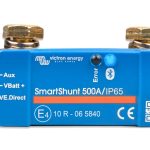
Read also: How to Connect a Smart Shunt to Monitor LiFePO4 Battery Capacity
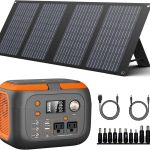
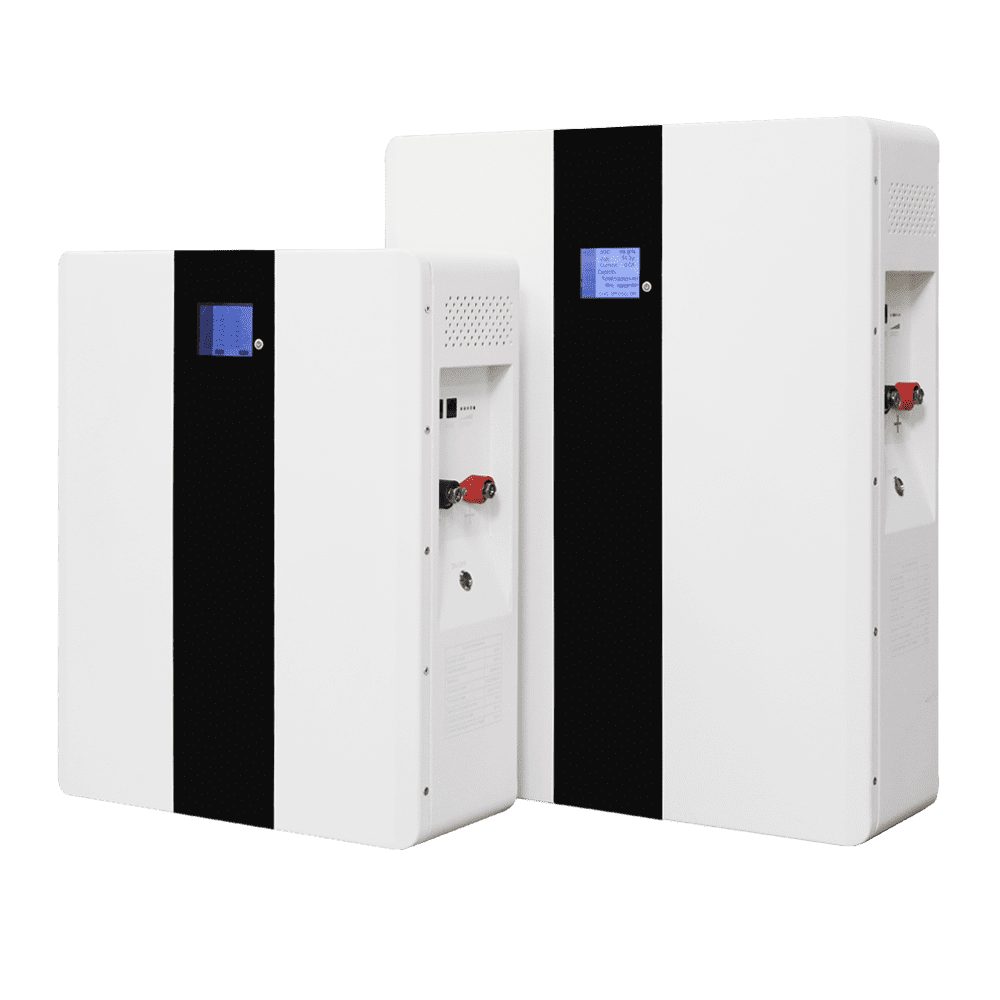
📷 Photo by snadisolar.com
A: While 48V is generally considered “low voltage” and is less likely to cause a fatal shock than household AC power, it can still cause dangerous arcing and severe burns if a short circuit occurs. Always treat any battery bank with caution and use insulated tools.
Q: Does higher voltage make my batteries last longer?
A: The voltage itself does not change the chemical lifespan of the battery, but a 48V system typically runs cooler due to lower current draw. Running electrical components at lower temperatures generally leads to better efficiency and less stress on the system, which can contribute to better long-term reliability.
Final Recommendations for Builders
If you are just starting out and only need to power a few LED lights and a laptop, a 12V system is simple and cost-effective. However, if you are looking to build a system that can power a refrigerator, water pump, or power tools, do not waste time with 12V. Investing in a 24V or 48V architecture from the beginning will save you the headache of replacing undersized wiring and controllers when you eventually decide to expand your capacity. Always prioritize safety by using proper fusing and professional-grade cabling to ensure your energy system remains reliable for years to come.
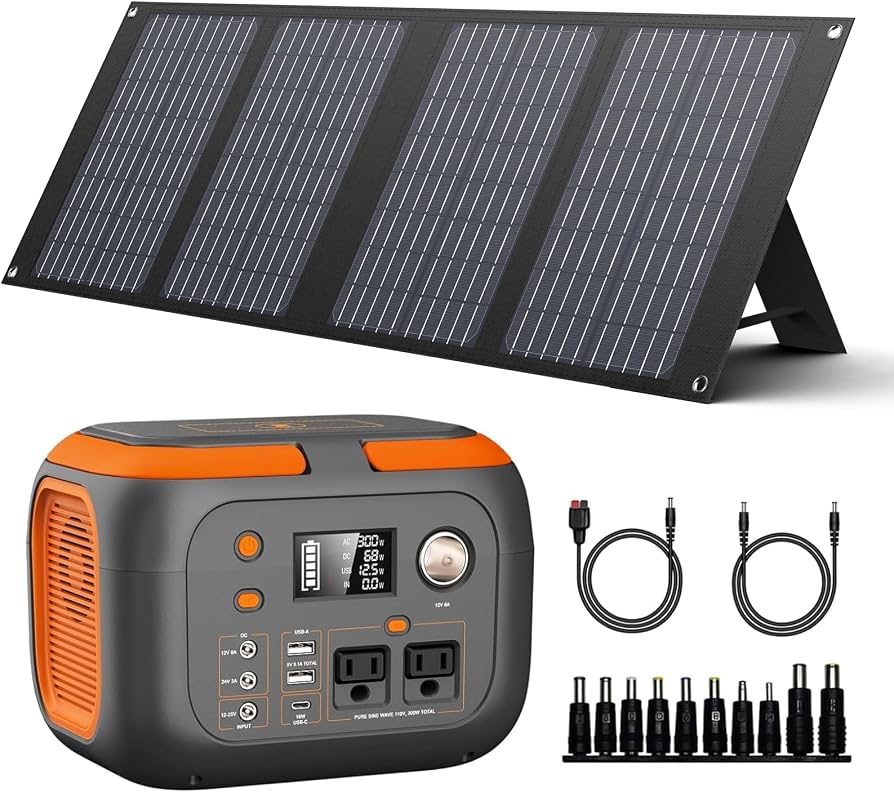
📷 Photo by ecodessa.com