

Vanonpower.com – Wiring an inverter directly to an alternator is technically possible but generally unsafe and highly discouraged due to the alternator’s inability to handle the high, fluctuating current demands of an inverter, which often leads to severe electrical damage or fire hazards.
The alternator in your vehicle is designed specifically to keep the starter battery charged and support the vehicle’s onboard electronics while the engine is running. When you connect an inverter directly to it, you introduce a massive variable load that the alternator’s internal voltage regulator is not equipped to manage. Unlike a dedicated deep-cycle battery bank, an alternator lacks the capacity to buffer the surge currents required by inverters, especially when running high-wattage appliances like microwaves, coffee makers, or power tools.
Why Direct Connection to an Alternator is Dangerous
The primary risk involves the heat generated by the alternator when it is forced to run at maximum output for extended periods. Alternators are air-cooled, and they rely on the engine spinning at a certain RPM to keep internal components from melting. If you draw power from an inverter while idling or at low engine speeds, the alternator will struggle to provide sufficient amperage, leading to overheating, shortened diode life, and eventual catastrophic failure of the charging system.
Furthermore, the voltage output from an alternator is rarely stable enough to feed an inverter directly. Inverters require a clean, consistent DC voltage to operate efficiently. Fluctuations caused by the engine’s RPM changes can cause the inverter to trigger low-voltage or high-voltage alarms, potentially damaging the sensitive electronics inside the inverter or the devices connected to it. This is why a battery buffer is essential; the battery acts as a massive capacitor, smoothing out voltage spikes and providing the “burst” power needed for starting motors or heating elements.
The Recommended Architecture: The Battery Buffer
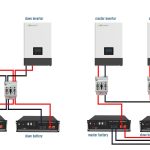
To safely run an inverter in a vehicle, you must wire it to a house battery bank rather than the alternator. The alternator should be connected to the house battery through a Battery Isolator or a DC-to-DC charger. This setup ensures that the alternator only “sees” the battery as a controlled load, preventing the dangerous direct draw that leads to equipment failure.
| Component | Role in the System | Why it is Required |
|---|---|---|
| Alternator | Power Source | Generates electricity for the vehicle and charging system. |
| DC-to-DC Charger | Current Regulator | Prevents the house battery from overdrawing the alternator. |
| House Battery | Energy Buffer | Provides stable voltage and surge current for the inverter. |
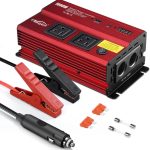
| Inverter | Power Converter | Converts 12V DC battery power to 110V/230V AC. |
Steps to Safely Install an Inverter System
If you intend to power high-draw appliances in your van or vehicle, follow these steps to ensure a safe and reliable installation using a battery-first approach:
- Calculate your total load requirements and select a deep-cycle battery bank (AGM or Lithium) capable of handling the continuous amperage draw of your inverter.
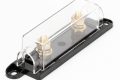
- Install a high-quality fuse or circuit breaker between the house battery and the inverter, placed as close to the battery terminal as possible.
- Connect your alternator to the house battery using a DC-to-DC charger; this device limits the current flowing from the engine to the house bank to protect your alternator from burnout.
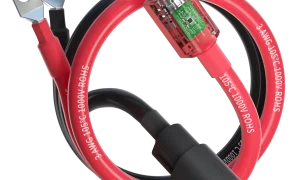
- Ensure all cables are sized correctly for the distance and current; use heavy-gauge copper welding cable to prevent voltage drop and overheating.
- Properly ground the inverter chassis to the vehicle frame or a common ground bus bar to prevent electrical shorts and interference.
Common Mistakes to Avoid
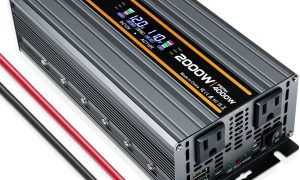
One of the most frequent errors installers make is using thin-gauge wire for the inverter connection. Inverters draw significant current; for a 2000W inverter at 12V, you are looking at over 160 amps of current. If your wires are too thin, they will act like heating elements, creating a significant fire risk behind your interior panels. Always calculate the wire gauge based on the maximum surge wattage of your inverter, not just the continuous rating.
Another dangerous mistake is bypassing the battery entirely. Some people attempt to use large capacitors to smooth out the power from the alternator, but this is a temporary fix that does not address the fundamental issue of amperage regulation. A battery provides the chemical stability that a mechanical alternator simply cannot replicate. Without that buffer, your vehicle’s electrical system is essentially a ticking time bomb waiting for a high-load appliance to trigger a failure.
Signs of an Overloaded Charging System
If you have already attempted a direct connection or an improperly balanced setup, keep an eye out for these warning signs. A burning smell coming from the engine bay is a primary indicator that the alternator windings are overheating. Dimming headlights when the inverter is under load indicate that the alternator is struggling to keep up with the demand, which can lead to rapid battery degradation and failure of the car’s ECU (Engine Control Unit) due to voltage instability.
Read also: Calculating Inverter Runtime: How Long Will My Battery Last?
Q: Can I use a battery isolator instead of a DC-to-DC charger?
A: While a simple battery isolator works for lead-acid batteries, it does not regulate current. If you have a large house battery bank, it will pull too much current from the alternator, leading to overheating; a DC-to-DC charger is the safer, modern standard.
Q: Why does my inverter beep when I turn on the microwave?
A: This is likely a low-voltage alarm. It means your battery or wiring cannot provide the massive surge of current required for the microwave, causing the voltage to drop momentarily below the inverter’s safety threshold.
Q: Is it safe to leave the inverter on while driving?
A: Yes, provided the inverter is wired to the house battery and the house battery is being charged by the alternator via a proper DC-to-DC charger, the system is designed to handle the load while the engine is running.
In conclusion, while the temptation to wire an inverter directly to an alternator might seem like a shortcut to power, it is a shortcut to a damaged vehicle. Invest in a proper house battery bank, use a DC-to-DC charger to manage the flow, and ensure your cable sizing is appropriate for the amperage. This approach not only protects your expensive alternator but also provides a stable, reliable power supply for all your mobile electrical needs.
📷 Photo by amazon.ca