

Vanonpower.com – Oversizing your solar inverter, commonly known as DC-to-AC ratio boosting, allows your system to capture more energy during low-light conditions without causing damage, provided the input voltage and current remain within the manufacturer’s specified safety limits.
Many homeowners and solar installers intentionally choose an inverter with a lower power rating than the total wattage of the solar panels installed on the roof. This strategy is not a mistake but a calculated design choice to optimize efficiency. When you oversize your array, you are essentially ensuring that the inverter operates at its peak efficiency point for a greater portion of the day, particularly during early mornings, late afternoons, and cloudy weather.
Understanding the DC-to-AC Ratio
The DC-to-AC ratio is the relationship between the total capacity of your solar panels (DC) and the rated output capacity of your inverter (AC). For instance, if you have a 6kW solar array connected to a 5kW inverter, your ratio is 1.2. In the industry, ratios between 1.1 and 1.3 are common and often recommended. This creates a “clipping” effect, where the inverter limits the output to its maximum capacity during the middle of a perfectly sunny day. While this might sound counterintuitive, the energy gained during the many hours of low-light performance far outweighs the minor loss of peak-sun production.
The Phenomenon of Clipping
Clipping occurs when the solar panels produce more power than the inverter can convert into usable AC electricity. During peak sun hours, the inverter will cap the power at its maximum rated output. While this energy is technically “lost,” it is usually only a tiny fraction of the total daily yield. Modern string inverters are highly intelligent; they are designed to handle this saturation point without overheating or sustaining long-term damage, as they simply throttle the power throughput to remain within their thermal operating window.
Comparison of Solar Array Configurations
| Configuration | DC-to-AC Ratio | Primary Advantage | Expected Clipping |
|---|---|---|---|
| Balanced | 1.0 | Zero energy loss at peak | None |
| Standard Oversize | 1.2 | Better low-light performance | Minimal (1-3%) |
| Aggressive Oversize | 1.5 | Maximum yield in cloudy areas | Moderate (5-8%) |
Risks and Technical Constraints
While oversizing is beneficial, you cannot simply add an infinite number of solar panels to a small inverter. You must strictly adhere to the inverter’s maximum input voltage (Voc) and maximum input current (Isc). Exceeding the voltage limit can destroy the inverter’s internal components, while exceeding the current limit can cause the system to shut down or trigger safety faults. Always consult the datasheet of your specific inverter model before expanding your array.
Steps to Safely Oversize Your System
If you are planning to upgrade your system or install a new one with an oversized array, follow these practical steps to ensure safety and performance:
- Verify the manufacturer’s maximum allowable DC input power. Most brands specify a range rather than a hard limit.
- Check the Maximum Power Point Tracking (MPPT) voltage window to ensure your string configuration stays within the inverter’s optimal operating range.
- Calculate the temperature coefficients of your panels. Panels perform better in the cold, which can lead to higher voltage outputs that might exceed the inverter’s limit on winter mornings.
- Use a solar sizing calculator or professional software to simulate your site’s specific irradiance levels and ensure the clipping loss remains below 5%.
- Confirm your local grid connection agreement, as some utility providers have strict limits on the maximum DC-to-AC ratio they allow for net metering purposes.
Common Mistakes to Avoid
One major mistake is ignoring the temperature coefficient. Solar panels produce higher voltage in cold temperatures. If you live in a region with very cold winters, you must calculate the open-circuit voltage at the coldest historical temperature recorded for your area. If this value exceeds the inverter’s maximum voltage rating, you risk catastrophic failure of the inverter’s input stage. Another common error is failing to balance the strings across multiple MPPT trackers, which can lead to uneven wear on the inverter components.
Why Clipping Is Usually Acceptable
Many users worry that clipping causes the inverter to work “too hard.” In reality, the inverter is simply operating at its maximum rated capacity. It is designed to run at this level for hours on end. By oversizing, you are effectively shifting the “bell curve” of your daily production. You sacrifice a tiny bit of the very top of the peak sun hours to gain significant production during the early morning and late afternoon hours, effectively extending the total operational window of your solar power system.
FAQ
Q: Will oversizing my inverter void the warranty?
A: Generally, no, as long as you remain within the manufacturer’s specified DC input limits. Manufacturers often provide a “maximum DC input power” rating that explicitly allows for oversizing.
Q: Does an oversized inverter run hotter?
A: No. The inverter will only output its maximum rated power. It cannot output more than its hardware is designed to handle, meaning it will not exceed its designed thermal limits regardless of how many panels are connected.
Q: Is it better to oversize in cloudy climates?
A: Yes. In regions with frequent cloud cover or shorter daylight hours, an oversized array is highly recommended to maximize the limited sunlight available, as the inverter will rarely reach its clipping point.
Final Considerations
Ultimately, the decision to oversize should be based on your specific geographical location and your goals. If your goal is to maximize self-consumption and power your home during the shoulder hours of the day, a 1.2 to 1.3 ratio is often the “sweet spot” for performance and return on investment. Always prioritize safety by adhering to the voltage and current specifications, and your system will reward you with consistent energy production throughout the year.
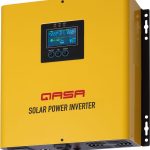
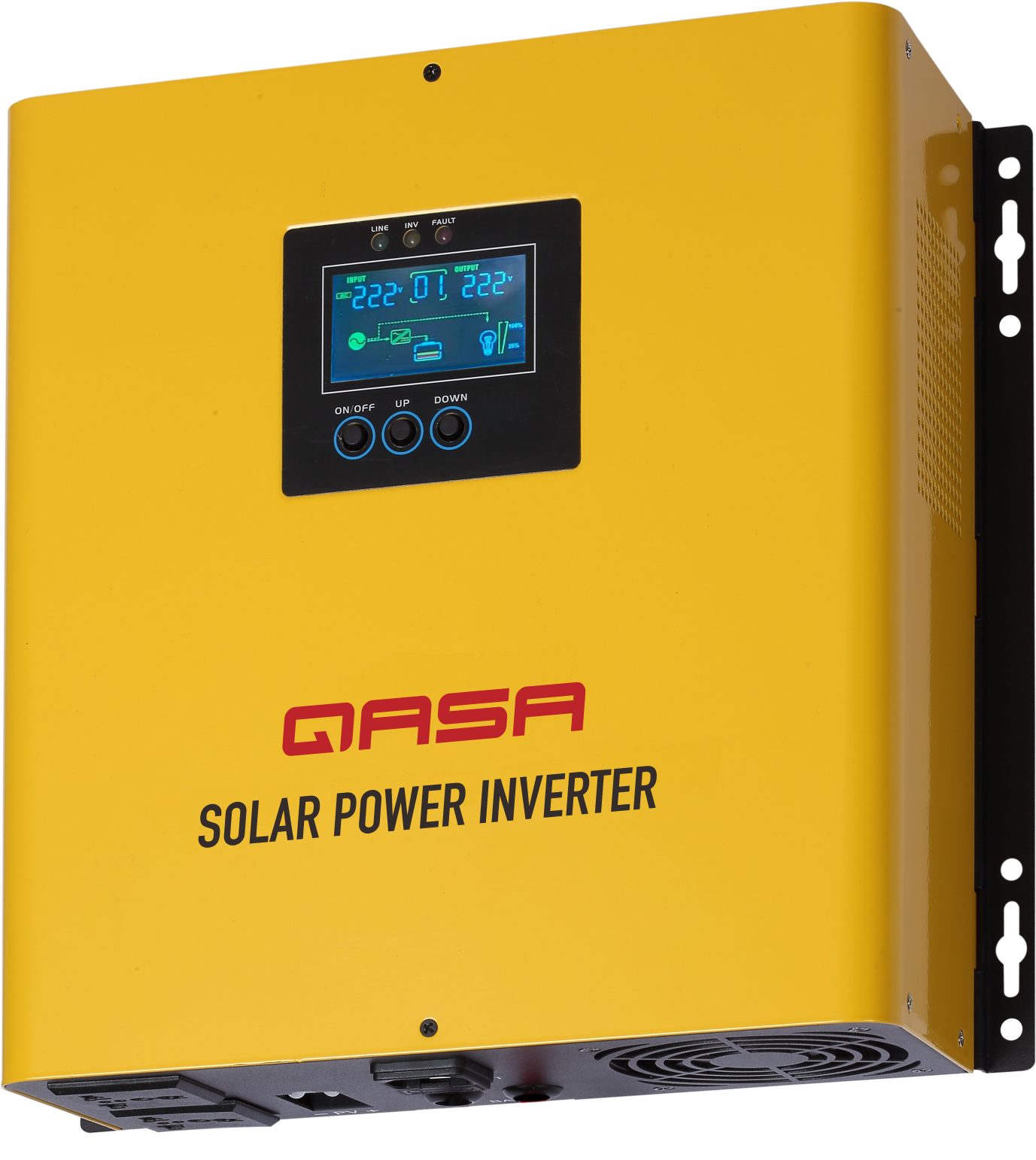
📷 Photo by qlinkqasa.com