



Vanonpower.com – Wiring a 12V DC refrigerator correctly requires choosing the right wire gauge based on the distance from your power source to prevent voltage drop and installing an appropriately rated fuse to protect the circuit from electrical fires. You must calculate the total circuit length and the refrigerator’s maximum current draw to determine the correct wire thickness and fuse amperage for safe, efficient operation.
The Importance of Proper Wiring
Many DIY enthusiasts and van life builders underestimate the sensitivity of 12V DC appliances. Unlike AC systems found in homes, 12V systems operate at very low pressure. If the wires are too thin or the connections are loose, the voltage will drop significantly before it even reaches the refrigerator compressor. This often leads to the fridge cutting out prematurely, cooling inefficiently, or the compressor motor burning out over time due to the extra strain.
Voltage drop is the hidden enemy in mobile power setups. If your refrigerator requires 12.0V to run but only receives 11.2V due to thin wires, the compressor control board may interpret this as a low battery state and shut down to protect your power bank. This is a common source of frustration for those who assume their batteries are dead when the actual culprit is just poor electrical infrastructure.
Calculating Wire Gauge: The Distance Factor
The length of the wire run is just as important as the amperage of the fridge. The longer the wire, the more resistance it creates. To combat this, you must increase the thickness of the wire (a lower gauge number) as the distance increases. Most 12V refrigerators pull between 4 to 8 amps during normal operation, but they can spike significantly higher during startup.
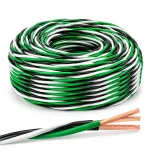
For most standard 12V camping refrigerators, 12 AWG (American Wire Gauge) is the minimum starting point. If your battery bank is located more than 15 feet away from the fridge, you should upgrade to 10 AWG to ensure the voltage remains stable. Always use high-quality, stranded copper wire, as solid-core wire can break due to the vibrations inherent in mobile environments.
Fuse Sizing: Protecting Your Investment
A fuse is not meant to protect the refrigerator; it is meant to protect the wiring from melting and causing a fire. If a short circuit occurs, the fuse blows instantly, cutting off the power. A fuse should be rated slightly higher than the maximum current draw of the refrigerator but lower than the maximum amperage capacity of your wire gauge.
Quick Reference: Wire Gauge and Fuse Selection
| Circuit Length (Round Trip) | Max Amperage (Fridge) | Recommended Wire Gauge | Recommended Fuse Size |
|---|---|---|---|
| 0 – 10 Feet | 5 – 10 Amps | 12 AWG | 15 Amps |
| 10 – 20 Feet | 5 – 10 Amps | 10 AWG | 15 Amps |
| 20+ Feet | 5 – 10 Amps | 8 AWG | 20 Amps |
Step-by-Step Installation Guide
Follow these steps to ensure your installation is safe and reliable. Always disconnect the battery before starting any electrical work.
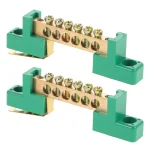
- Measure the total distance from the positive terminal of your battery/fuse block to the refrigerator and back to the negative busbar.
- Select the appropriate wire gauge from the chart above based on your total round-trip distance.
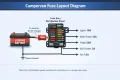
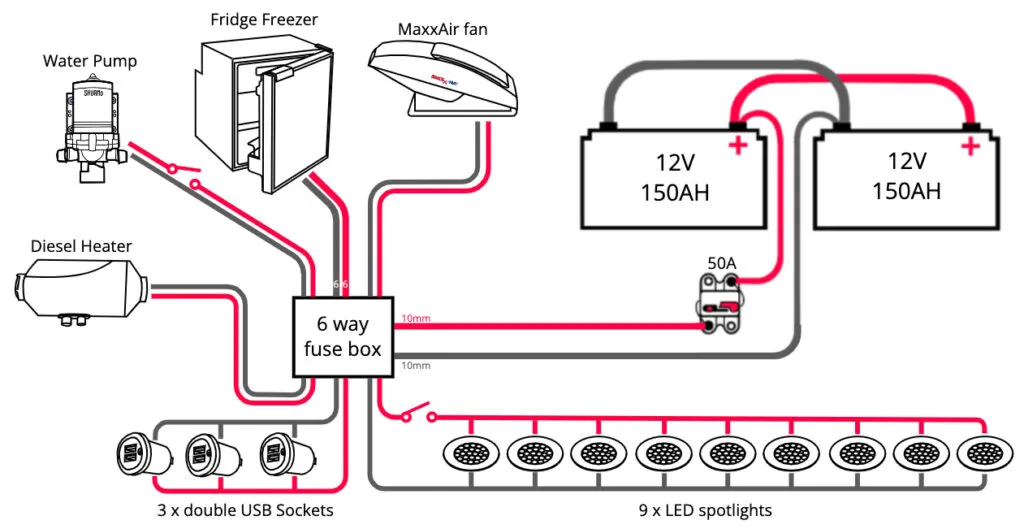
- Install an inline fuse holder as close to the positive power source as possible. This ensures that the entire length of the wire is protected.
- Use high-quality crimp-on connectors, ideally heat-shrink butt connectors, to create weather-resistant and vibration-proof connections.
- Connect the positive wire to the positive terminal of the fridge and the negative wire to the negative terminal, ensuring polarity is correct.
- Double-check all connections for tightness and secure the wires with cable ties to prevent chafing against sharp metal edges in your vehicle or cabin.
- Insert the fuse into the holder only after all other connections are secured and inspected.
Common Mistakes to Avoid
One of the most frequent errors is using the vehicle chassis as a ground point for a high-draw appliance like a refrigerator. While chassis grounding works for some automotive electronics, it is prone to corrosion and poor connectivity in long-term mobile setups. Always run a dedicated negative wire directly back to your negative busbar or battery terminal.
Another mistake is using “scotch locks” or cheap wire nuts. These are designed for stationary indoor use and will eventually fail under the vibration of a moving vehicle. Always use ring terminals or heat-shrink crimp connectors. If you see signs of melting or discolored plastic near your terminals, it is a clear indicator of a loose connection causing high resistance and heat buildup.
Troubleshooting Power Issues
If your refrigerator is not cooling, start by measuring the voltage at the back of the fridge while it is attempting to run. If the voltage is significantly lower than your battery voltage, you have a voltage drop issue. You may need to replace the wires with a thicker gauge or clean the connections to remove oxidation. Oxidation often occurs in humid environments and acts as an insulator, preventing the full flow of electricity.
Frequently Asked Questions
Q: Can I use thinner wire if I have a very short run?
A: While you can technically use thinner wire for very short runs, it is generally recommended to stick to 12 AWG or 10 AWG to allow for any future upgrades or to accommodate the refrigerator’s high-draw startup phase.
Q: Should I put the fuse on the positive or negative wire?
A: The fuse must always be installed on the positive (hot) wire, as close to the power source as possible. This protects the entire length of the wire from a short circuit against the chassis.
Q: Why does my fridge work when the engine is running but not when it is off?
A: This is a classic symptom of voltage drop. When the engine runs, the alternator increases the voltage in the system, which is just enough to overcome the resistance of your undersized wires. When the engine is off, the voltage is insufficient, causing the fridge to trigger its low-voltage protection circuit.
📷 Photo by diagramboard.com