

Vanonpower.com – Midi, Mega, and ANL fuses are specialized DC circuit protection devices, where Mega fuses excel in high-amperage main circuit protection, ANL fuses offer robust reliability for audio systems, and Midi fuses provide versatile, compact protection for mid-range automotive circuits.
Choosing the right fuse for your DC electrical system is not just about amperage rating; it is about matching the fuse’s physical design, current-handling capabilities, and blow characteristics to your specific application. Selecting the wrong type can lead to nuisance blowing, poor electrical connections, or, in worst-case scenarios, a failure to protect your equipment during a short circuit event.
Understanding DC Fuse Types
DC electrical systems in vehicles, solar setups, and marine environments require specialized fuses capable of handling constant direct current. Unlike AC systems, DC arcs are harder to extinguish because the current does not cross zero. Therefore, these fuses are engineered with specific arc-quenching capabilities.
The Midi fuse, often referred to as an automotive bolt-on fuse, is designed for medium-current circuits. Its compact size makes it ideal for tight spaces where you need to protect auxiliary systems like lighting, cooling fans, or moderate solar array inputs. They usually feature a window to visually inspect the fuse element.
The Mega fuse is the heavy-duty workhorse of the automotive industry. Designed for high-current applications, these are typically found at the main battery feed, protecting the alternator, starter motor, or large inverter cables. They are built to withstand high vibration and are highly reliable in harsh environments.
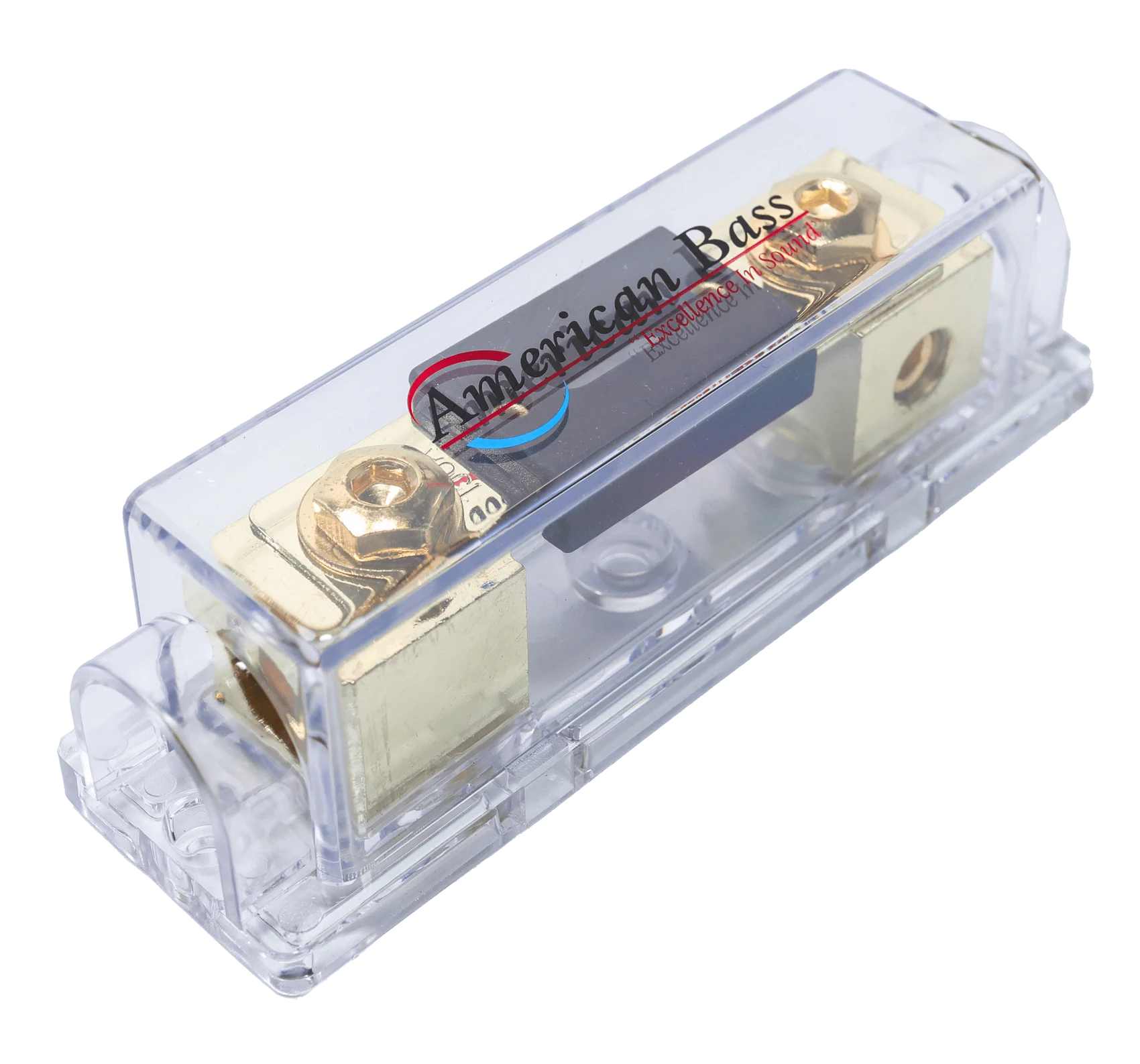
The ANL fuse is a classic choice, particularly popular in car audio installations and high-end power distribution blocks. They are physically larger than Midi fuses and provide a solid bolt-down connection that ensures low resistance. While they are often used in audio, they are equally effective in industrial DC power distribution.
Comparison of Fuse Characteristics
To help you decide which fuse type fits your project, consider the following technical comparison based on typical usage patterns and physical constraints.
| Feature | Midi Fuse | Mega Fuse | ANL Fuse |
|---|---|---|---|
| Typical Amperage | 30A – 200A | 100A – 500A | 35A – 750A |
| Primary Use Case | Auxiliary circuits | Main power distribution | Audio & high-load DC |
| Mounting Style | Bolt-down (M5) | Bolt-down (M8) | Bolt-down (M8) |
| Physical Size | Small/Compact | Large | Extra Large |
| Vibration Resistance | High | Very High | Moderate |
How to Select and Install the Right Fuse
Selecting the correct fuse is a two-step process: calculating the continuous load and determining the wire gauge. A fuse is designed to protect the wire, not necessarily the device. If you install a fuse with a rating higher than the wire’s ampacity, the wire will melt before the fuse blows, creating a fire hazard.
- Determine the maximum continuous current your device draws.
- Multiply that value by 1.25 to calculate the minimum required fuse rating to avoid nuisance blowing from heat.
- Verify that the wire gauge used in the circuit is rated to handle at least 125% of the fuse’s amperage rating.
- Mount the fuse holder as close to the power source (battery positive terminal) as possible to minimize the length of unprotected cable.
- Ensure all bolt-down connections are tightened to the manufacturer’s specified torque to prevent resistance heating at the contact point.
- Use a protective cover or enclosure to prevent accidental shorting of the exposed fuse terminals.
Common Mistakes to Avoid
One of the most frequent errors is using an ANL fuse in a location subject to high vibration without a proper, rigid mount. Because ANL fuses are physically long, they can develop stress fractures or loose connections if not secured properly. Always ensure the fuse block is bolted to a stable surface.
Another common mistake is mixing fuse types based on convenience rather than necessity. While you might be tempted to use a Midi fuse because it fits in a smaller holder, if the circuit requires a Mega fuse for its high-amperage heat dissipation, a Midi fuse may suffer from premature fatigue. Heat is the enemy of DC fuses; ensure adequate airflow around the fuse holder.
Lastly, never bypass a blown fuse with a wire or a higher-rated fuse. If a fuse blows, it is signaling a problem, such as a short circuit or a grounded wire. Replacing it with a higher-rated fuse will not solve the underlying fault and will likely result in permanent damage to your wiring harness or battery bank.
Practical Considerations for System Maintenance
Periodically inspect your fuse blocks for signs of oxidation or discoloration. In marine or outdoor solar applications, moisture can cause corrosion on the bolt-down terminals. This increases resistance, which creates heat, eventually leading to a fuse blowing even when the current is well within the safety limits.
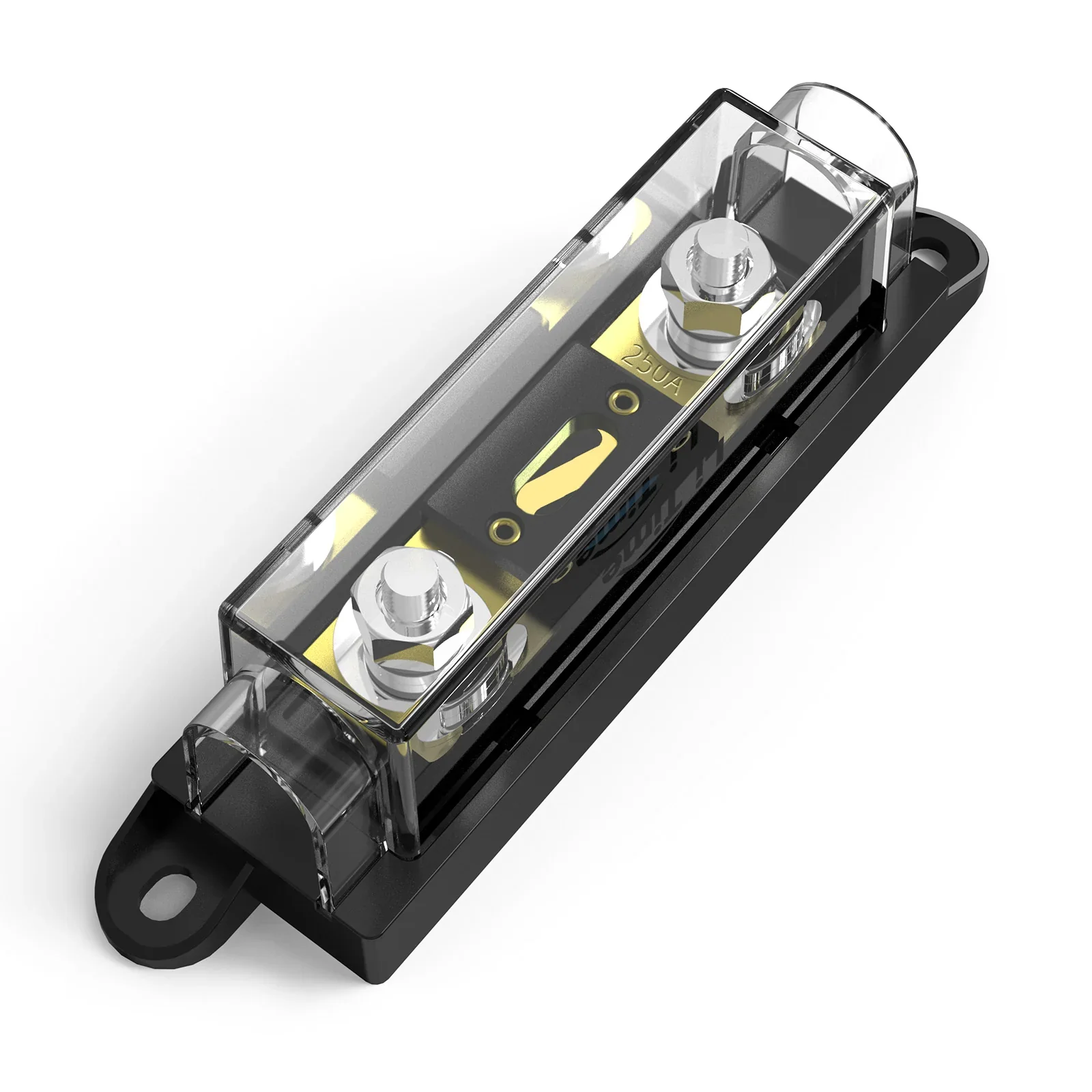
📷 Photo by litimesolutions.com
Keep a few spare fuses of the same rating in your toolkit. Since these fuses are bolt-on types, they are not as quick to change as plug-in blade fuses. Having the correct wrench size and a spare fuse on hand can save you hours of downtime during a field repair.
Frequently Asked Questions
Q: Can I replace an ANL fuse with a Mega fuse?
A: Not directly. While both handle high current, they use different mounting footprints. You would need to replace the fuse block or holder to accommodate the physical differences and mounting hole spacing.
Q: Why did my fuse blow even though my device current is low?
A: This is likely due to loose connections at the fuse holder. Loose bolts create high resistance, which generates heat. This heat is transferred to the fuse element, causing it to melt and blow prematurely.
Q: Are all DC fuses interchangeable if the amperage is the same?
A: No. Different types have different “time-current” characteristics, meaning some react faster to surges than others. Always use the fuse type recommended by the equipment manufacturer for the specific application.
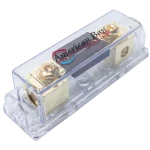
📷 Photo by americanbassusa.com