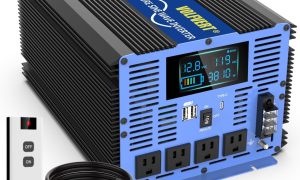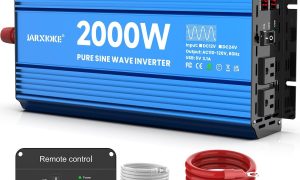
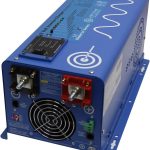
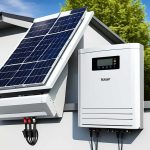


Vanonpower.com – To charge an e-bike battery, you typically need a pure sine wave inverter with a continuous power rating of at least 300 to 500 watts to safely handle the charger’s power draw and startup surge.
Selecting the right inverter for your e-bike is not just about matching the wattage on the charger label. It is about understanding how power conversion works and ensuring the safety of your expensive battery pack. Most e-bike chargers operate between 100W and 300W, but using an inverter that is too small can lead to overheating, voltage drops, or permanent damage to your charging hardware.
Understanding Charger Wattage Requirements
The first step is identifying the power consumption of your specific e-bike charger. Look at the sticker on the back of your charger block. You will see an input rating (e.g., 100-240V AC) and an output rating (e.g., 42V DC, 2A). The critical number for your inverter is the input wattage, which is calculated by multiplying the input voltage by the input current (Amps).
Even if your charger states it uses 150W, you should never purchase a 150W inverter. Inverters operate most efficiently at 50% to 80% of their rated capacity. Running an inverter at 100% load for the duration of a charging cycle—which can take several hours—will cause it to overheat and trigger a thermal shutdown. A buffer is essential for safety and longevity.
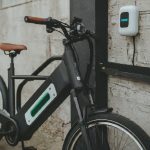
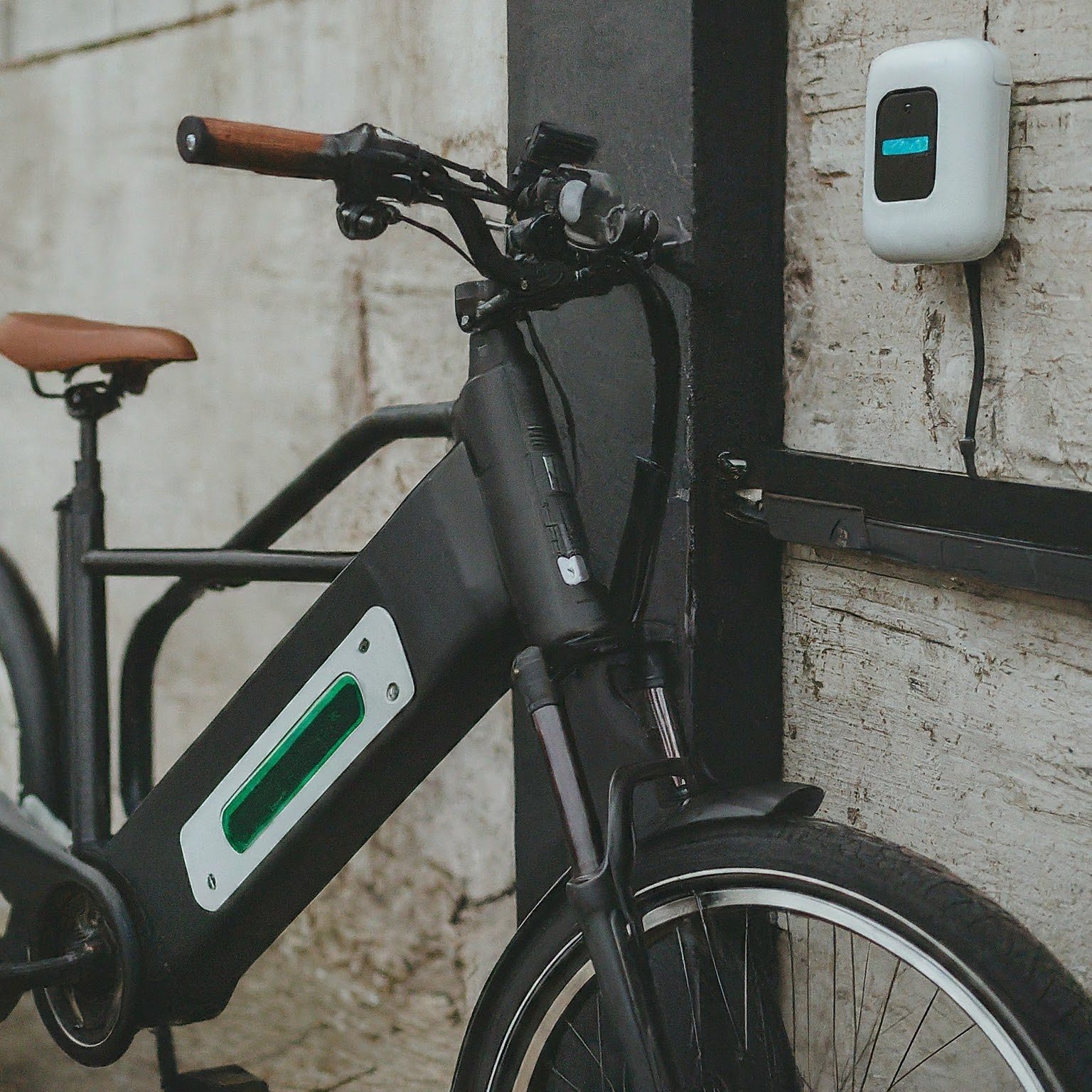
📷 Photo by nextgenebike.com
The Importance of Pure Sine Wave Technology
When charging sensitive electronics like lithium-ion e-bike batteries, you must use a pure sine wave inverter. Modified sine wave inverters produce a “choppy” electrical current that can cause the delicate circuitry inside your charger to hum, overheat, or fail completely. E-bike chargers often contain sophisticated balancing chips that require clean, consistent power to function correctly. Using a modified sine wave unit risks damaging the charger’s internal components, which could lead to improper charging or, in worst-case scenarios, a fire hazard.
Determining Your Power Needs
To determine the exact size you need, calculate the maximum draw and add a 25% safety margin. If your charger draws 200W, a 300W inverter is the absolute minimum, but a 500W inverter is the recommended choice for reliability.
| Charger Input Rating | Minimum Recommended Inverter | Optimal Inverter Size |
|---|---|---|
| Up to 100W | 300W | 500W |
| 100W – 250W | 500W | 800W |
| 250W – 400W | 800W | 1000W+ |
Step-by-Step Guide to Setting Up Your Charging System
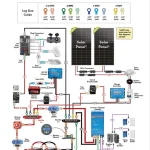
Setting up an inverter system for your e-bike requires attention to detail, especially if you are charging in a vehicle or a remote off-grid location. Follow these steps to ensure a safe connection:
- Calculate the total wattage of your charger by multiplying the input voltage and current, then add a 25% overhead for safety.
- Choose a pure sine wave inverter that meets your calculated requirement to prevent damage to the lithium-ion cells.
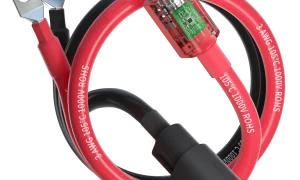
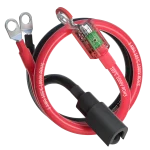
- Connect the inverter directly to your battery source (such as a deep-cycle battery or a vehicle battery) using appropriately gauged cables to minimize voltage drop.
- Ensure the inverter is placed in a well-ventilated area, as the conversion process generates significant heat.
- Turn on the inverter first before plugging in the e-bike charger to prevent power spikes during the startup phase.
- Monitor the charger and inverter for the first 30 minutes to ensure neither component is becoming excessively hot.
Common Mistakes and Practical Risks
One of the most frequent mistakes users make is underestimating the starting surge of the charger. While chargers are not as demanding as motors, they still produce a momentary spike when first connected. If your inverter does not have enough headroom, it will trip its internal breaker immediately.
Another risk involves the power source itself. If you are charging your e-bike from a vehicle, ensure the engine is running or that you have a secondary auxiliary battery system. Charging a large e-bike battery can easily drain a standard car starter battery in under an hour, leaving you stranded. Always prioritize safety by using an inline fuse between the battery and the inverter to prevent short-circuit damage.
FAQ: Charging E-Bikes with Inverters
Q: Can I use a cigarette lighter inverter for my e-bike?
A: Most cigarette lighter sockets are limited to 120W–150W. Since most e-bike chargers exceed this or operate too close to the limit, it is highly recommended to connect the inverter directly to the battery terminals using heavy-duty alligator clips or ring terminals.
Q: Will a larger inverter drain my battery faster?
A: Not significantly. While larger inverters have a slightly higher “idle” power consumption, they generally run cooler and more efficiently when powering a charger, which balances out the energy usage compared to a small inverter pushed to its absolute limit.
Q: Is it safe to leave the charger unattended while on an inverter?
A: It is not recommended. Charging involves chemical reactions that produce heat. Always charge in a fire-safe environment, keep the area clear of flammable materials, and check the temperature of the charger and battery periodically during the cycle.
By selecting a high-quality pure sine wave inverter and ensuring you have sufficient wattage overhead, you can reliably charge your e-bike anywhere your travels take you. Always prioritize clean power and proper ventilation to protect your battery’s lifespan.
Read also: Inverter vs Converter: Understanding the Difference in RV Systems
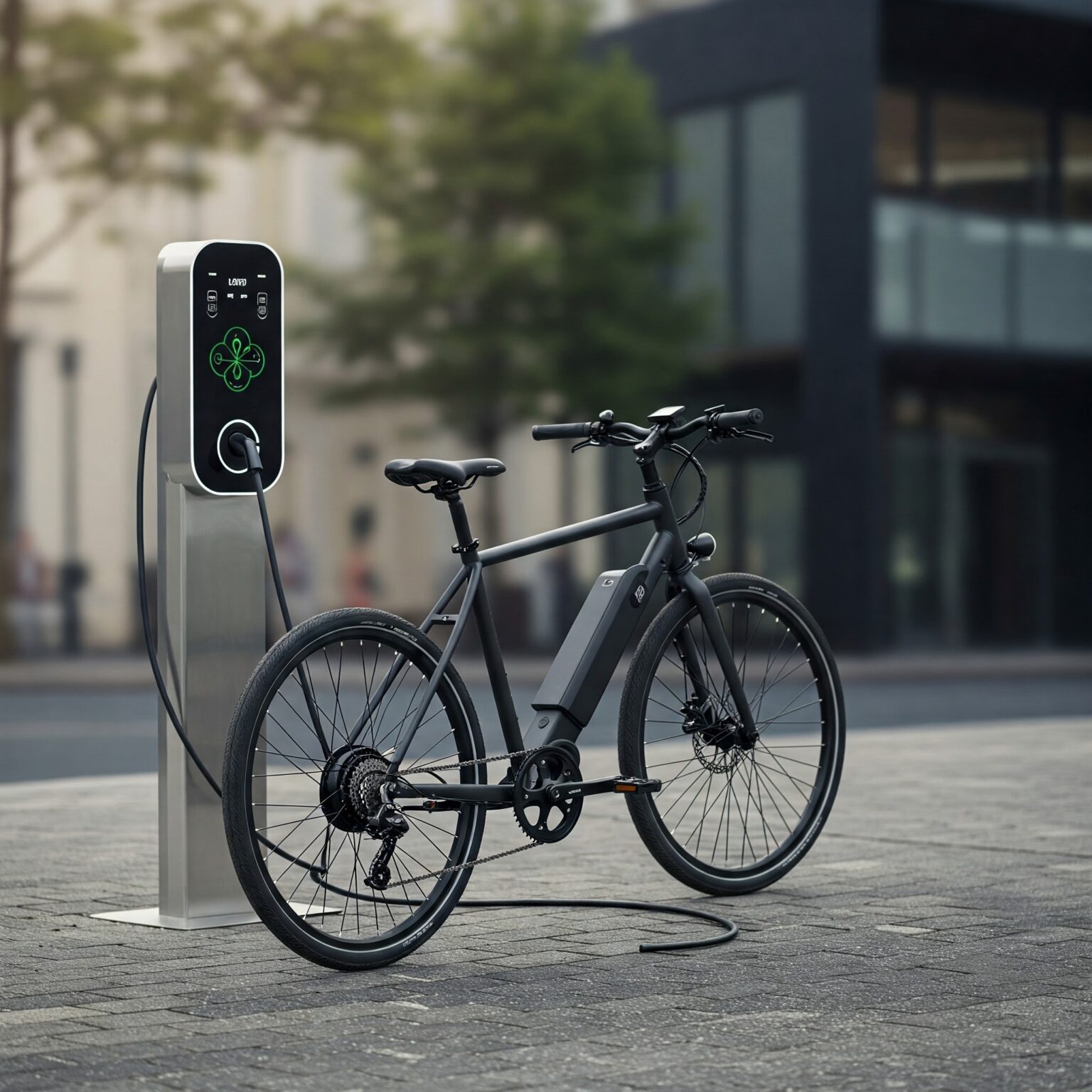
📷 Photo by electricbikeexplorer.com