

Vanonpower.com – You cannot connect solar panels directly to a standard AC inverter because solar panels produce variable DC voltage that must be regulated and converted by a dedicated solar charge controller or a specialized grid-tie inverter first. Attempting a direct connection without intermediate power electronics will result in system failure, damage to the inverter, or a complete lack of power output.
The Technical Reality of Solar Integration
A common misconception among DIY solar enthusiasts is that solar panels act like batteries or standard power outlets. In reality, solar panels are current-limited sources. Their voltage fluctuates wildly based on sunlight intensity, temperature, and shading. A standard AC inverter is designed to accept a stable, specific DC input range, usually from a battery bank. If you feed the raw, erratic output of a solar panel into an inverter, the internal components will fail to sync, or worse, the sensitive electronics will fry due to voltage spikes.
Why Direct Connection Fails
Most AC inverters are “dumb” in the context of solar energy; they look for a steady voltage profile. Solar panels, however, operate on an I-V (current-voltage) curve that changes constantly. Without a Maximum Power Point Tracking (MPPT) device or a charge controller, the inverter cannot “pull” the optimal power from the panels. Furthermore, if the sun goes behind a cloud, the voltage drops instantly, causing the inverter to shut down repeatedly, preventing any usable power from being converted.
Essential Components for a Functional System
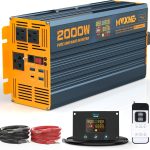
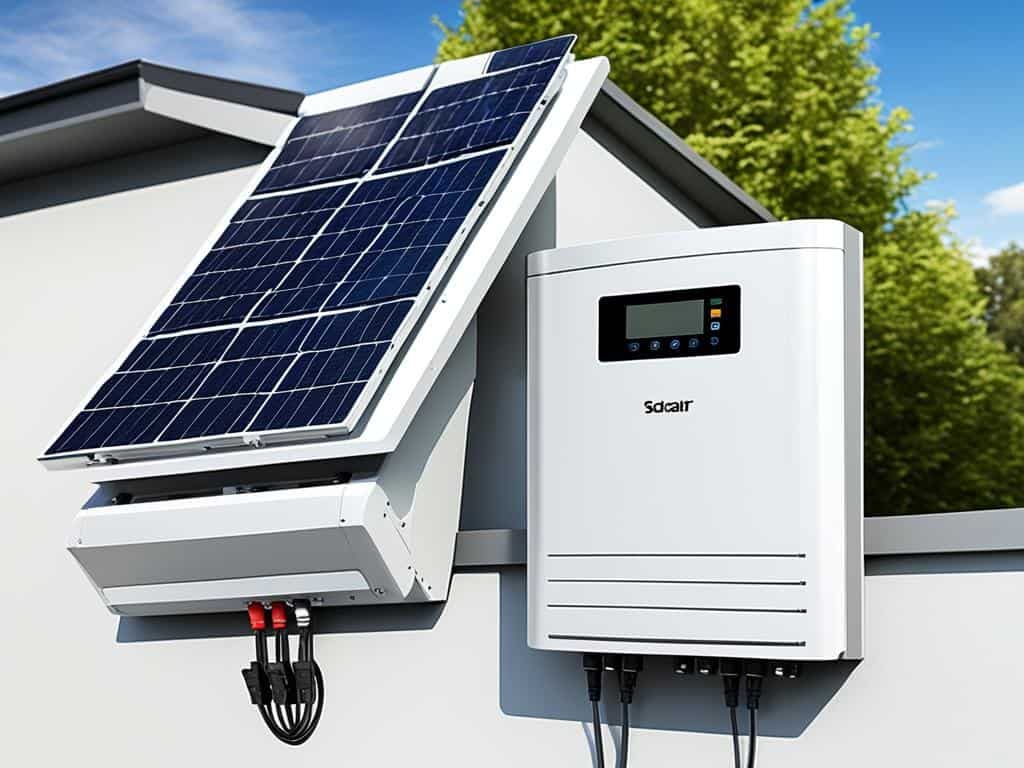
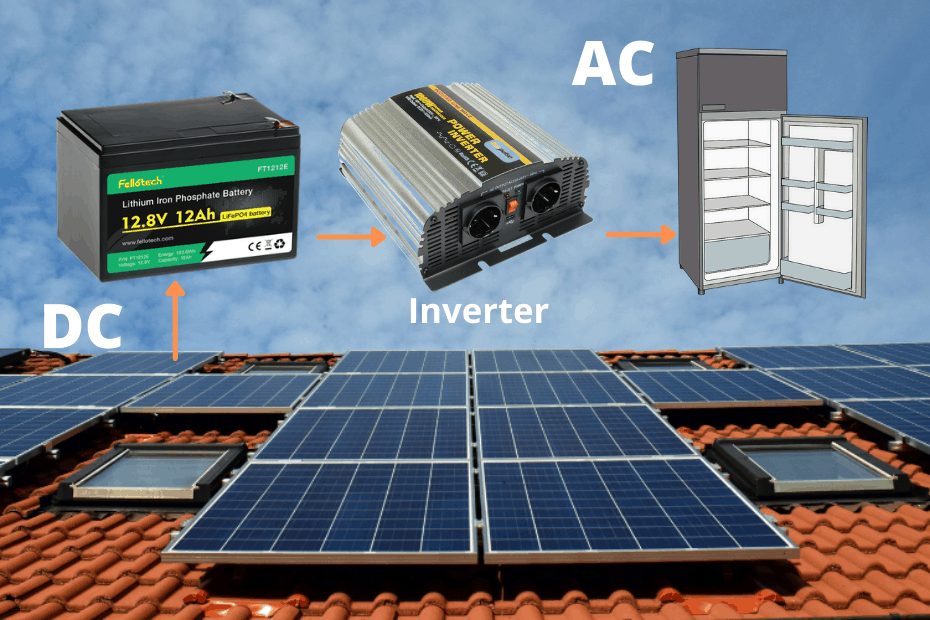
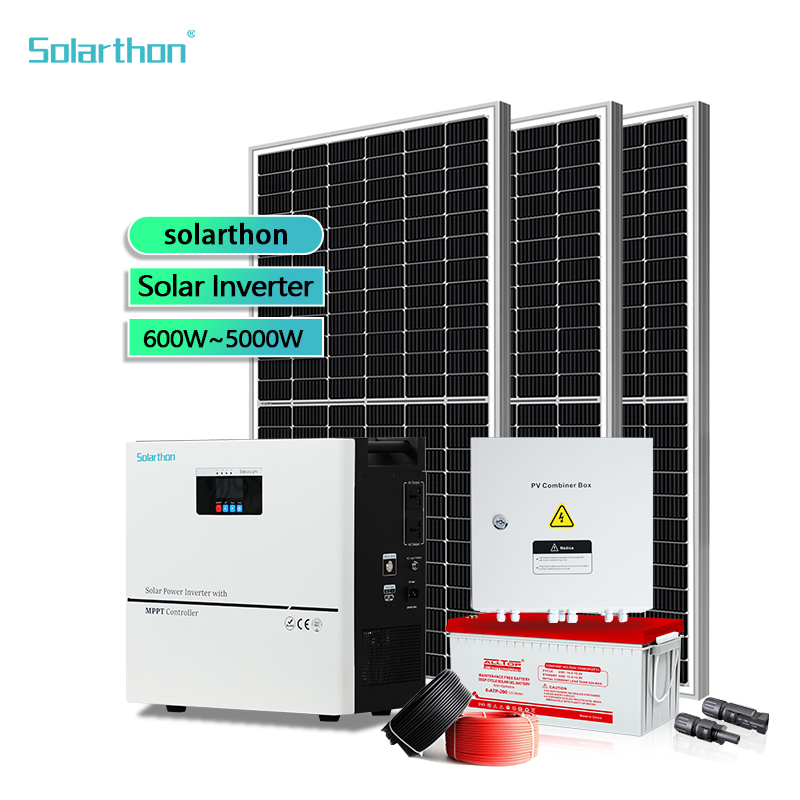
To safely bridge the gap between sunlight and usable AC power, you need to route the energy through specific hardware. Below is a comparison of the primary methods used to connect solar panels to an inverter system.
| System Type | Required Components | Best Use Case |
|---|---|---|
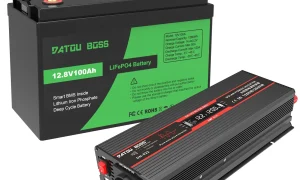
| Off-Grid System | Solar Panels, MPPT Controller, Battery Bank, Inverter | Remote cabins or backup power |
| Grid-Tie System | Solar Panels, Grid-Tie Inverter (with built-in MPPT) | Reducing monthly electricity bills |
| Direct DC Load | Solar Panels, DC-DC Converter | Charging phones or powering 12V appliances |
The Role of the Charge Controller
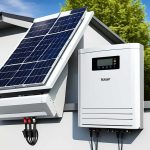
The charge controller acts as the brain of your solar array. It regulates the voltage coming from the panels to ensure the battery bank or the inverter receives a consistent and safe charge. Without this device, the risk of overcharging batteries or overloading the inverter is extremely high. Modern MPPT controllers are particularly efficient, as they convert excess voltage into higher current, ensuring that you get the most wattage out of your panels even in suboptimal lighting conditions.
Read also: Inverter Sizing Guide for CPAP Machines Off-Grid
📷 Photo by exploramadeira.com
Steps to Correctly Connect Your Solar Array
If you are building a safe and efficient solar power system, follow these logical steps to ensure your equipment remains protected and functional.
- Calculate your total load requirements to determine the size of your inverter and the number of solar panels needed.
- Install a solar charge controller between your solar panels and your battery bank to manage the DC input.
- Connect your battery bank to the DC input terminals of the inverter, ensuring correct polarity.
- Install a circuit breaker or fuse between the solar panels and the charge controller, and another between the battery and the inverter, for fire protection.
- Verify all connections with a multimeter before switching on the system to ensure voltage readings are within the rated limits of the equipment.
Common Mistakes to Avoid
One of the most frequent errors is ignoring the “Open Circuit Voltage” (Voc) of the solar panels. If you connect panels in series, the voltages add up. If this total exceeds the maximum input voltage of your charge controller or inverter, you will destroy the equipment instantly. Always check the label on the back of your panels and compare the Voc against the maximum input specifications of your charge controller.
Another mistake is using undersized wiring. Solar energy involves high amperage, and thin wires can heat up, create resistance, and cause significant power loss. Always use appropriately gauged copper wire to maintain efficiency and safety. If you smell burning plastic or notice flickering lights, shut down the system immediately and inspect the connections for loose terminals or melted insulation.
Risks of Improper Installation
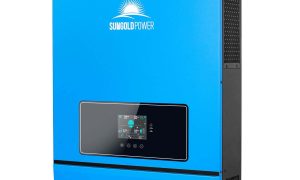
📷 Photo by solarthon.en.made-in-china.com
Beyond the cost of replacing damaged equipment, improper solar connections pose a genuine safety risk. DC electricity is notorious for creating persistent arcs if a connection is loose. Unlike AC, which crosses zero voltage 50 or 60 times per second, DC current flows constantly. This can lead to electrical fires that are difficult to extinguish. Always use proper disconnect switches and professional-grade connectors like MC4 plugs to ensure a secure, weather-resistant bond.
Frequently Asked Questions
Q: Can I use a grid-tie inverter to connect panels directly without a battery?
A: Yes, provided the grid-tie inverter has an integrated MPPT controller designed for that specific voltage range, but it will only provide power when the grid is active and the sun is shining.
Q: Will my inverter work if I connect a small 12V panel to it directly?
A: Most likely not. The inverter will detect a voltage that is too low to operate its internal circuits, or the voltage will fluctuate so much that the inverter will enter a protection mode and refuse to turn on.
Q: Is it safe to leave the system running unattended?
A: If the system is installed using a charge controller, proper fusing, and high-quality components, it is designed for long-term, unattended operation. If you have bypassed safety components, it is never safe to leave the system running.
Final Thoughts on System Design
While the desire to simplify a solar project by connecting panels directly to an inverter is understandable, it is a shortcut that inevitably leads to failure. Investing in a quality charge controller or a dedicated grid-tie inverter is not just a recommendation; it is a fundamental requirement for the longevity of your solar array. By respecting the electrical characteristics of your components and following standard safety protocols, you can build a reliable system that provides clean energy for years to come.
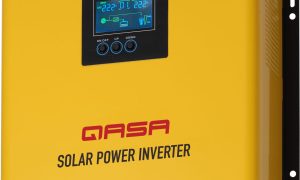
📷 Photo by scopesolar.com.pk