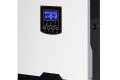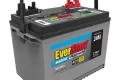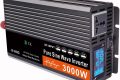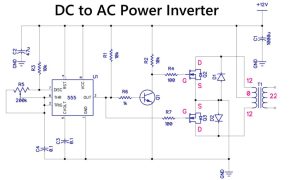


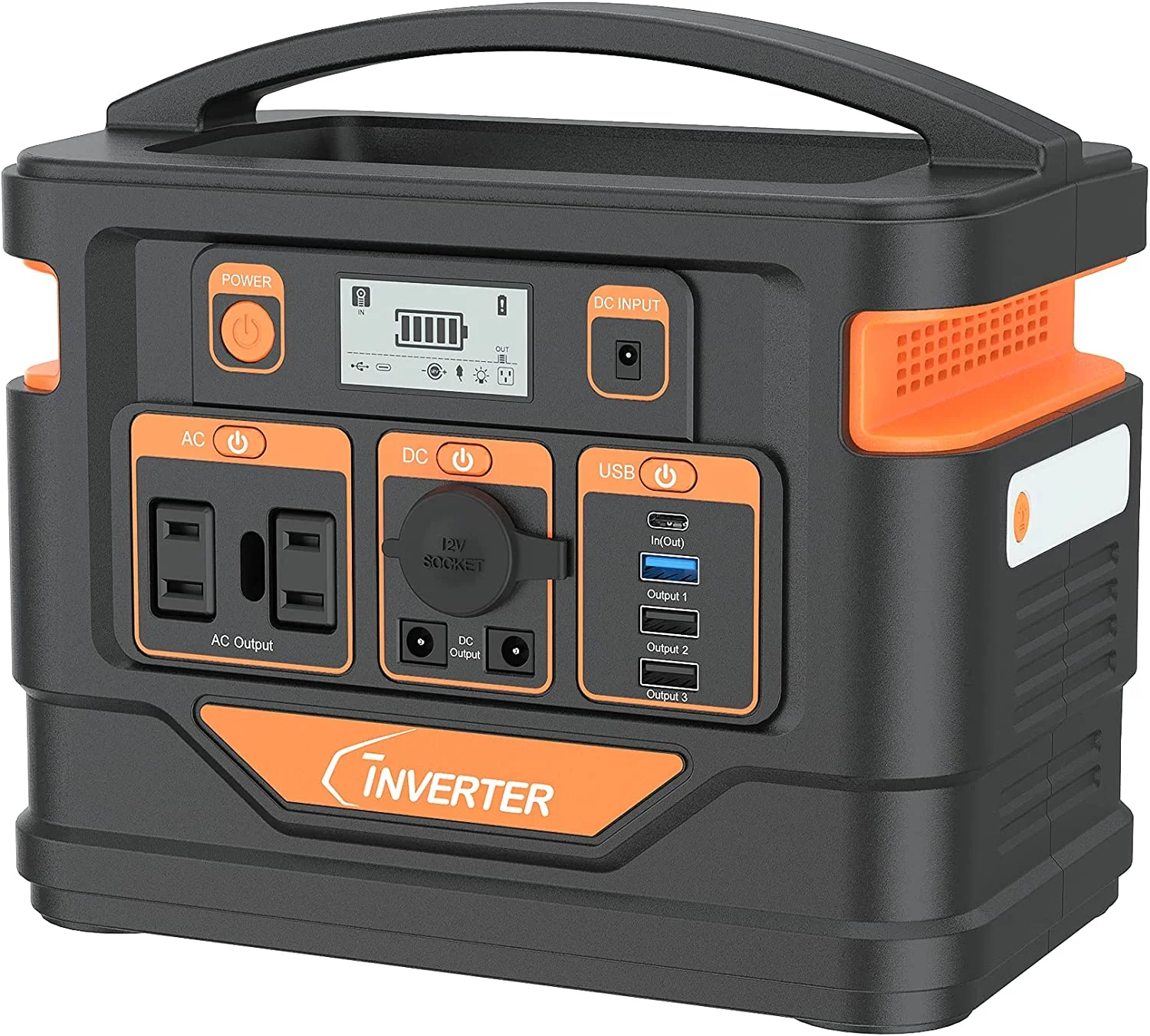
Vanonpower.com – To power a CPAP machine off-grid, you must select an inverter with a continuous wattage rating of at least 300W and a pure sine wave output to ensure compatibility with sensitive medical motor electronics. The battery bank capacity must be calculated by multiplying the CPAP’s average hourly power draw by the total hours of intended use, then doubling that figure to account for inverter efficiency and depth-of-discharge limits.
Understanding CPAP Power Requirements
📷 Photo by amazon.com
CPAP machines are precision medical devices that rely on sensitive internal circuitry to regulate air pressure. Unlike simple resistive loads like incandescent bulbs, these devices use complex motors and humidifiers that demand stable electrical flow. When running these machines off-grid, the most critical factor is the waveform of the electricity produced by the inverter. You must use a pure sine wave inverter; modified sine wave inverters produce “choppy” power that can cause the CPAP motor to overheat, create an audible buzzing sound, or even damage the machine’s control board over time.
Wattage requirements vary significantly based on whether you use the humidifier and heated tubing. A CPAP machine running without a humidifier typically draws between 30W and 60W. However, when the humidifier and heated hose are engaged, the power draw can spike to 100W or more. Always check the label on the bottom of your specific model to identify the peak wattage rating before purchasing an inverter.
Choosing the Right Inverter Size
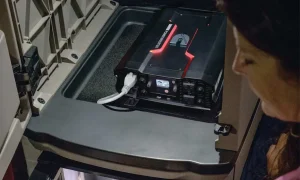
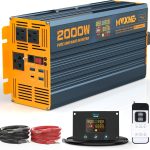
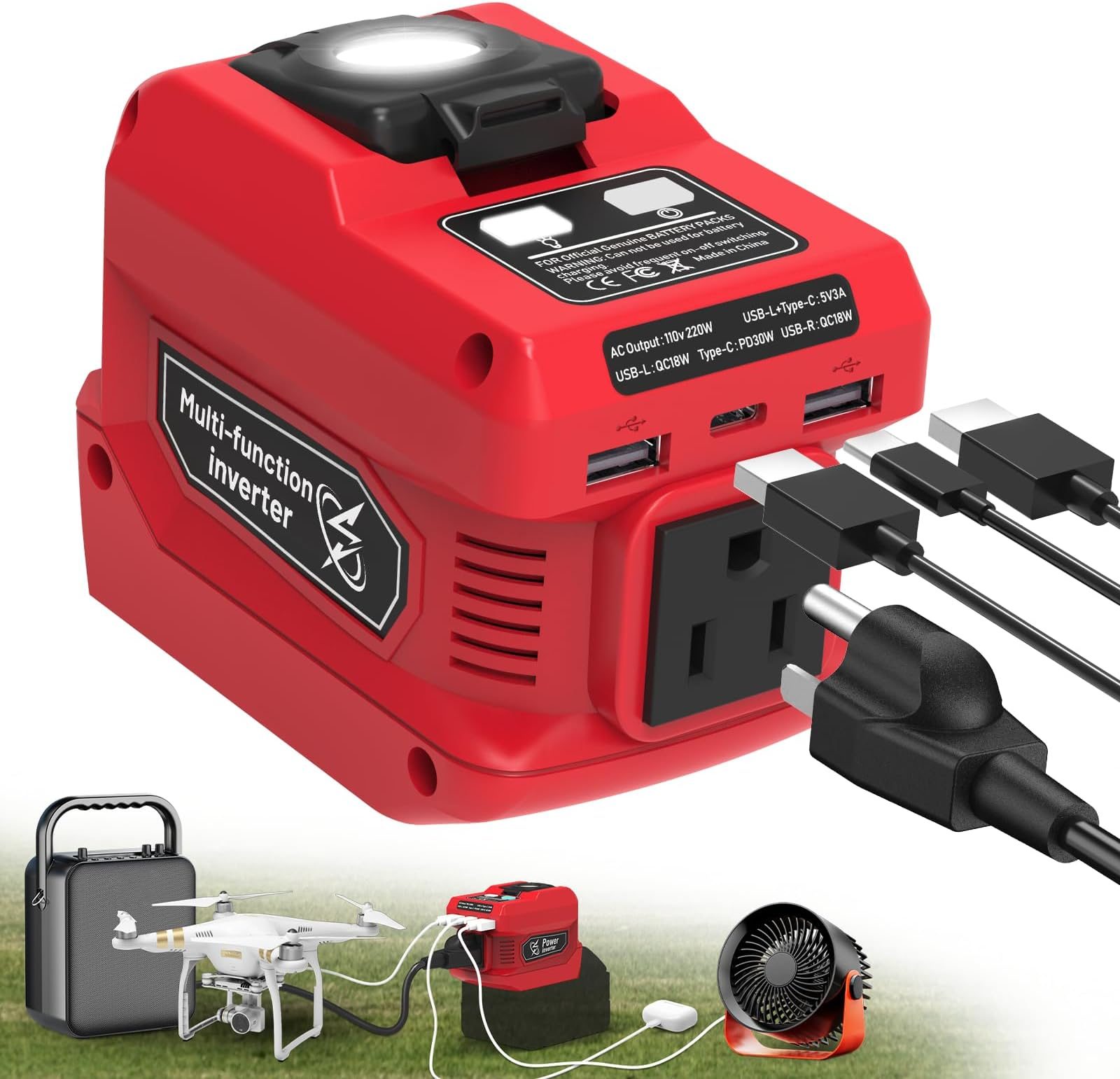
While a 150W inverter might seem sufficient for a machine that draws 60W, off-grid systems require overhead. Inverters operate most efficiently when running at 50% to 80% of their rated capacity. Furthermore, startup surges—the brief moment the motor kicks on—can exceed the rated wattage. A 300W or 400W pure sine wave inverter is the standard recommendation to ensure a cool, quiet, and reliable operation throughout the night.
| Component | Requirement for CPAP |
|---|---|
| Inverter Type | Pure Sine Wave (Mandatory) |
| Minimum Continuous Power | 300W |
| Recommended Battery Type | LiFePO4 (Lithium Iron Phosphate) |
| Safety Margin | 2x the calculated nightly consumption |
Calculating Battery Capacity for Overnight Use
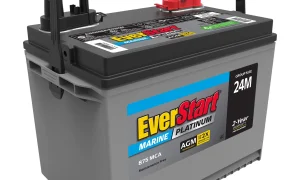
The inverter size is only half the battle; the battery capacity determines how long you can sleep. If your CPAP machine consumes 50Wh per hour and you sleep for 8 hours, your baseline consumption is 400Wh. However, you cannot drain a lead-acid battery to 0% without damaging it, and inverters have an efficiency loss (usually around 15%). To stay safe, you should aim for a battery capacity that provides double your calculated nightly needs.
Step-by-Step Setup for Off-Grid CPAP Power
Follow these steps to safely connect your CPAP machine to an off-grid power source:
- Verify your CPAP machine’s input voltage requirements by checking the AC adapter brick.
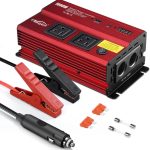
- Connect your pure sine wave inverter directly to the battery terminals using the thick cables provided by the manufacturer to minimize voltage drop.
- Ensure the inverter is placed in a well-ventilated area, as these units generate heat during operation.
- Turn on the inverter and wait for it to stabilize before plugging in your CPAP machine.
- Disable the humidifier and heated tubing settings on the CPAP device if you are operating on a limited battery bank to extend your runtime significantly.
- Monitor the battery voltage throughout the night if your system does not have a low-voltage disconnect feature.
Common Mistakes and Practical Tips
One of the most frequent mistakes users make is keeping the humidifier turned to the maximum setting while off-grid. The humidifier is essentially a small heating element, which is the single largest drain on a battery bank. If you are in a dry climate, consider using a passive water chamber or simply increasing your hydration during the day to avoid using the heated humidifier at night.
Another common oversight is the use of long, thin extension cords between the inverter and the CPAP machine. These cords create resistance, which can cause a voltage drop. If you need to move the CPAP machine further from the battery, use a high-gauge, heavy-duty extension cord to ensure the machine receives consistent power.
Read also: How Many Amps Does a 12V 2000W Inverter Draw at Full Load?
Always inspect your battery connections before going to sleep. Loose terminals can cause intermittent power loss, which might trigger your CPAP machine to reboot or sound an alarm in the middle of the night. Using a dedicated DC-to-DC converter (a “DC power cord” specifically made for your CPAP model) is often more efficient than using an inverter, as it skips the conversion from DC to AC and back to DC, reducing energy waste by up to 20%.
Frequently Asked Questions
📷 Photo by amazon.com
Q: Can I use a modified sine wave inverter for my CPAP?
📷 Photo by amazon.com
A: It is strongly discouraged. While some machines may turn on, the non-smooth waveform can damage the delicate electronics and internal pressure sensors, potentially leading to inaccurate therapy delivery or total device failure.
Q: How do I know if my CPAP is drawing too much power?
A: If your inverter begins to “beep” or the cooling fan runs at maximum speed constantly, you are likely pushing the unit to its limit. If the inverter shuts down, it is likely due to the machine’s surge requirements exceeding the inverter’s capacity or the battery voltage dropping too low.
Q: Is it better to use a power station or a DIY battery setup?
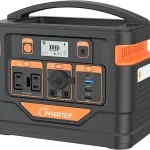
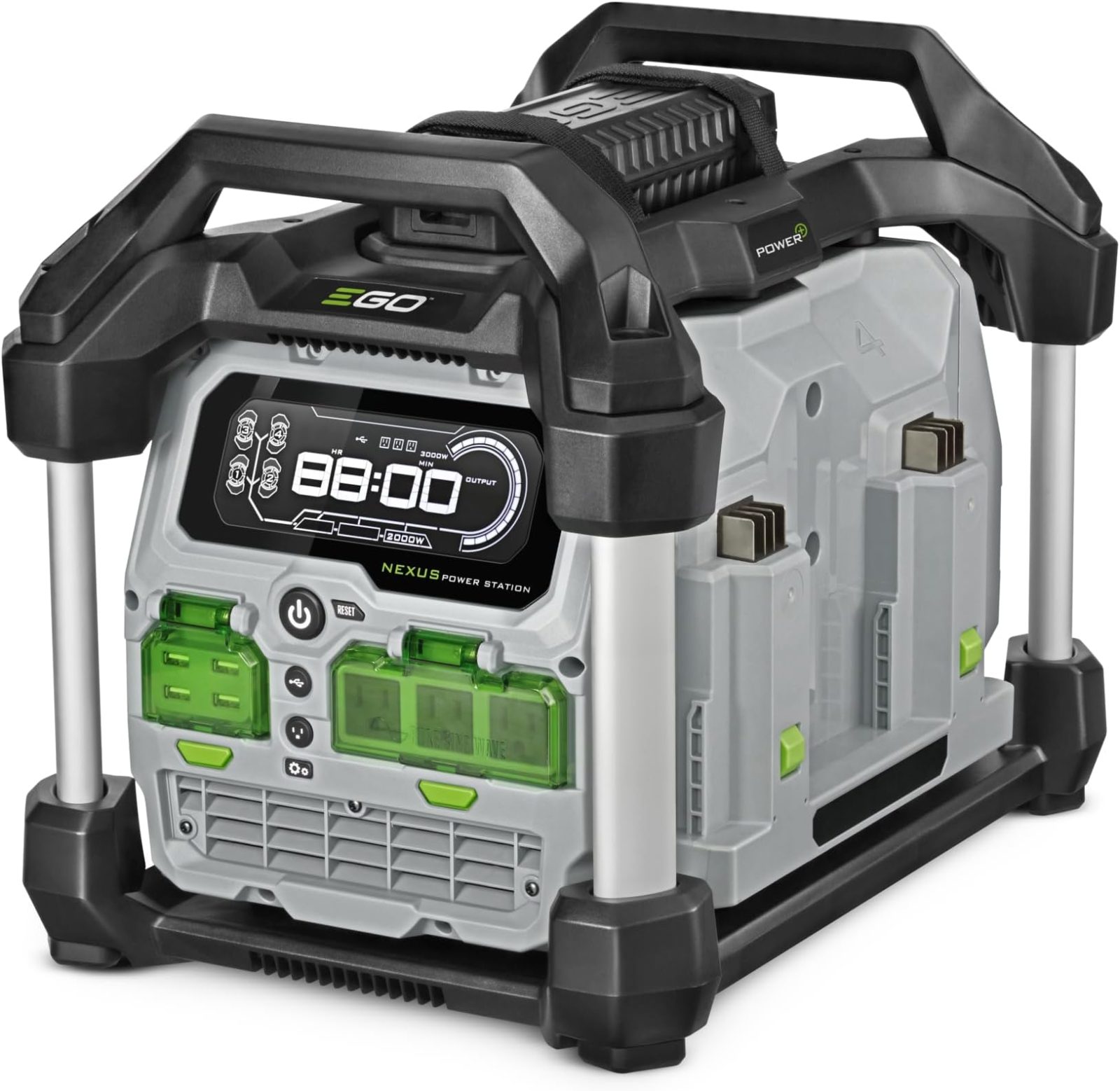
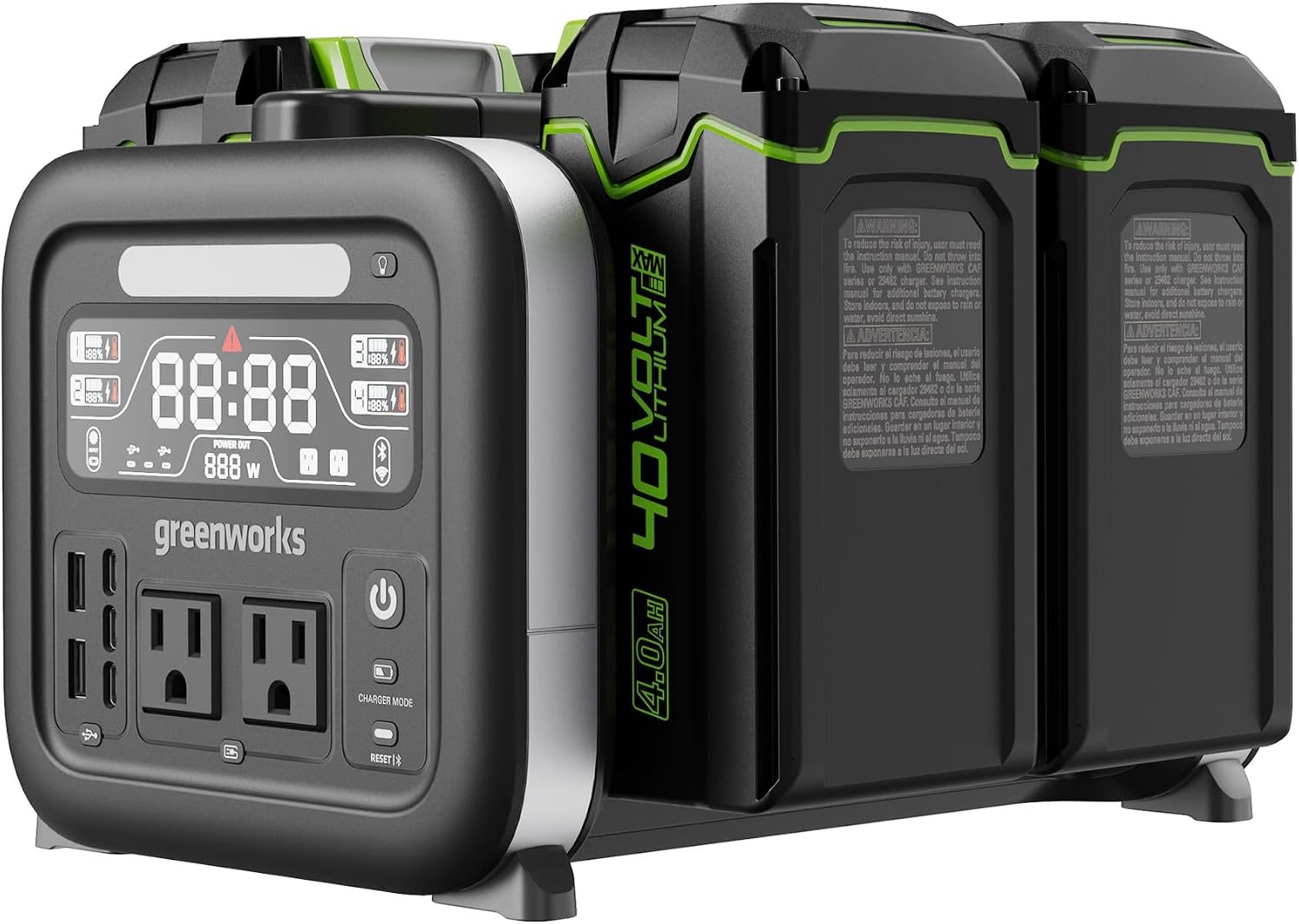
A: Portable power stations are generally safer and easier for beginners because they have the inverter, battery, and safety circuits integrated into one unit. DIY setups are more cost-effective for long-term, heavy usage but require a solid understanding of electrical safety and fuse protection.
Prioritizing stable power for your CPAP machine is not just about equipment longevity; it is about ensuring your health and comfort remain uncompromised during your time off-grid. By selecting the right pure sine wave inverter and managing your humidifier settings, you can enjoy restful sleep regardless of your proximity to the electrical grid.
📷 Photo by storage.googleapis.com