

Vanonpower.com – To calculate your inverter runtime, divide the total usable watt-hours of your battery bank by the total wattage of the connected appliances, then multiply the result by a system efficiency factor of approximately 0.85 to account for energy loss.
Understanding how long your battery will last is critical for emergency preparedness, off-grid living, and recreational camping. Many beginners make the mistake of assuming a battery’s rated capacity translates directly into usable power, failing to account for inverter inefficiency, depth of discharge (DoD), and fluctuating appliance loads. By calculating these variables accurately, you can prevent unexpected power failures and extend the lifespan of your expensive battery bank.
The Core Components of the Runtime Equation
Before performing the math, you must identify three specific variables: Battery Capacity (Amp-hours or Watt-hours), Battery Voltage, and the Load (total watts of your devices). If your battery is rated in Amp-hours (Ah), you must first convert it to Watt-hours (Wh) by multiplying the Amp-hours by the system voltage (e.g., 100Ah x 12V = 1200Wh).
The next factor is the Depth of Discharge (DoD). Lead-acid batteries typically should not be discharged below 50 percent to avoid permanent damage, whereas Lithium Iron Phosphate (LiFePO4) batteries can often be discharged to 80 or 90 percent. Ignoring these manufacturer-recommended limits will result in a shorter battery life and diminished runtime capacity over time.
Efficiency and Inverter Loss
No inverter is 100 percent efficient. When an inverter converts Direct Current (DC) from your battery into Alternating Current (AC) for your appliances, some energy is lost as heat. Most high-quality pure sine wave inverters operate at 85 to 90 percent efficiency. If you ignore this factor, your calculated runtime will be overly optimistic, leading to a battery that dies much sooner than your spreadsheet predicted.
Comparison of Battery Types and Usable Energy
| Battery Type | Nominal Capacity | Recommended DoD | Usable Energy (Approx) |
|---|---|---|---|
| Lead-Acid (AGM) | 100Ah (12V) | 50% | 600Wh |
| Gel Battery | 100Ah (12V) | 60% | 720Wh |
| LiFePO4 (Lithium) | 100Ah (12V) | 90% | 1080Wh |
Step-by-Step Calculation Guide
Follow these steps to estimate your runtime accurately. This process ensures you account for both the physical limitations of your battery chemistry and the electrical realities of your inverter.
- Determine the total Watt-hour (Wh) capacity of your battery bank by multiplying Amp-hours (Ah) by Volts (V).
- Multiply your result by the Depth of Discharge (DoD) percentage to find your usable Watt-hours.
- Calculate the total wattage of all devices you intend to power simultaneously.
- Divide your usable Watt-hours by the total device wattage.
- Multiply the resulting figure by 0.85 to account for the standard 15 percent inverter energy loss.
Common Mistakes to Avoid
One of the most frequent errors is assuming an appliance runs at its maximum rated wattage constantly. For example, a refrigerator compressor cycles on and off. If you calculate based on the peak wattage listed on the back of the fridge, you will drastically underestimate how long your battery will last. Always use the average power consumption for devices that cycle, or measure them with a plug-in energy monitor for 24 hours to get a true reading.
Another mistake is failing to account for the “peukert effect” in lead-acid batteries. This phenomenon means that when you draw high current from a battery, its effective capacity decreases. If you are powering high-load items like a microwave or a space heater, the battery will provide less total energy than if you were powering a low-draw item like a laptop charger.
Managing Your Load for Longer Runtime
If your calculation shows that your runtime is insufficient, you have two primary options: increase your battery capacity or decrease your power consumption. Increasing capacity is expensive and adds significant weight to your system. Reducing consumption is often more cost-effective. Consider switching to LED lighting, choosing energy-efficient appliances, or using DC-powered devices directly to bypass the inverter entirely, which eliminates the conversion loss.
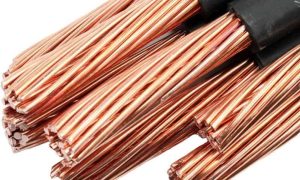
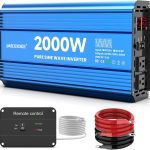
Always verify the wiring gauge between your battery and inverter. If the cables are too thin, they will create resistance, which manifests as voltage drop. This causes the inverter to work harder, generating more heat and triggering low-voltage alarms prematurely, even when the battery still has power remaining.
Frequently Asked Questions
Q: Why does my inverter alarm sound even though my battery monitor shows capacity remaining?
A: This is usually caused by voltage sag under load. When high-power appliances draw current, the battery voltage drops temporarily. If your inverter’s low-voltage threshold is set too high, it will shut down to protect the battery, even if the battery is not fully depleted.
Q: Does the ambient temperature affect my battery runtime?
A: Yes, significantly. Lead-acid batteries lose substantial capacity in cold weather, often dropping by 20 to 30 percent in freezing temperatures. Lithium batteries generally handle cold better but should not be charged while below freezing unless they have internal heating elements.
Q: Can I connect multiple batteries to increase runtime?
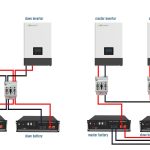
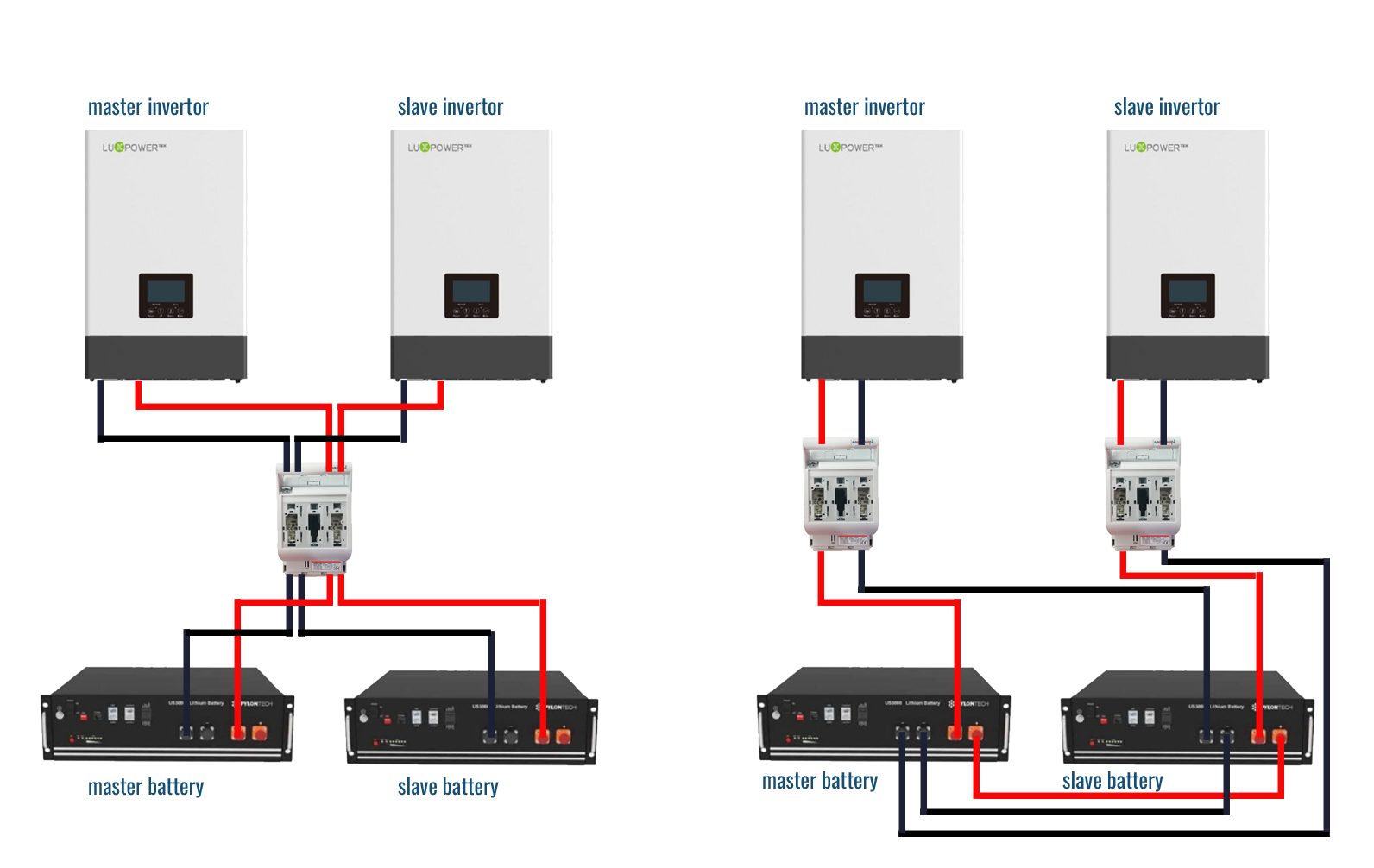
A: Yes, you can connect batteries in parallel to increase your total Amp-hour capacity (and thus runtime). However, ensure all batteries are of the same age, brand, and capacity to prevent one battery from draining the others or causing an imbalance in the system.
In conclusion, calculating your inverter runtime is a balancing act of capacity, efficiency, and load management. By using the provided formula and respecting the limitations of your battery chemistry, you can create a reliable power system that meets your needs without the risk of unexpected outages. Always prioritize safety, use proper cabling, and periodically check your connections to ensure optimal performance over the long term.
Read also: Inverter Fan Noise: How to Reduce Heat and Fan Cycling
📷 Photo by powerforum.co.za