

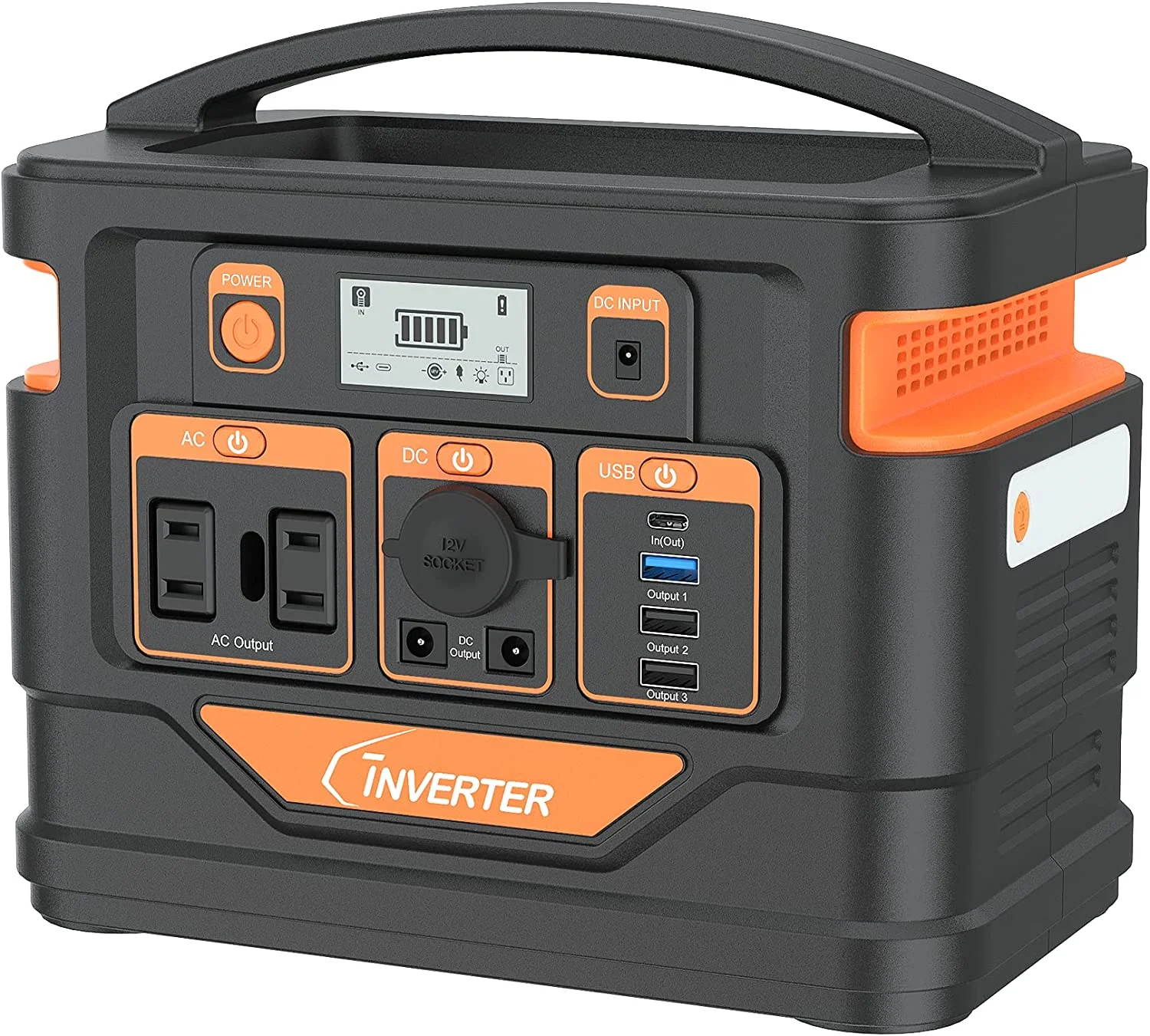
Vanonpower.com – A Starlink Mini typically requires an inverter with a continuous output rating of at least 150 to 300 watts to comfortably handle its peak power consumption and startup surge. While the device runs on roughly 25 to 50 watts during standard operation, a slightly larger inverter ensures efficiency and prevents thermal shutdowns during high-demand periods.
Understanding Starlink Mini Power Consumption
The Starlink Mini is designed for portability and efficiency, making it a favorite for off-grid enthusiasts, van lifers, and remote workers. However, unlike traditional home routers, this device includes a motorized dish that adjusts its position and a heating element for snow melting. These internal components cause the power draw to fluctuate significantly based on environmental conditions and network activity.
When calculating the size of the inverter, you must account for the peak load rather than just the average consumption. If you use an inverter that is exactly at the limit of the device’s average draw, you risk the inverter cutting out when the Starlink Mini initiates a firmware update, performs a scan for satellites, or engages its internal heater during colder weather.
Key Factors Influencing Inverter Selection
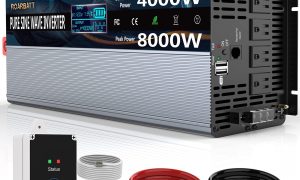
The primary factor is the startup surge. Electronic devices often pull more current for a split second when first powered on. While the Starlink Mini is relatively efficient, choosing a pure sine wave inverter is non-negotiable. Modified sine wave inverters can introduce electrical noise that interferes with the sensitive satellite communication hardware, potentially causing connection drops or hardware damage over time.
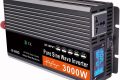
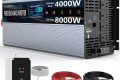
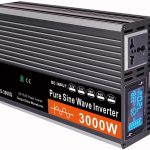
Another factor is the efficiency of the inverter itself. Inverters consume a small amount of power just to stay on, known as idle power consumption. If you opt for an excessively large inverter, such as a 3000-watt unit, you will waste a significant portion of your battery capacity just keeping the inverter running. Matching the inverter size to your actual load is the best way to maximize your total run time.
Inverter Sizing Comparison Table
| Inverter Capacity | Suitability for Starlink Mini | Efficiency Notes |
|---|---|---|
| 150W Inverter | Acceptable | May struggle during cold weather or peak surges. |
| 300W Inverter | Recommended | Provides safe headroom for surges and efficient power conversion. |
| 600W+ Inverter | Overkill | High idle power draw; reduces battery efficiency for this specific device. |
Step-by-Step Guide to Setting Up Your Power System
Setting up your Starlink Mini with an inverter requires a methodical approach to ensure safety and performance. Follow these steps to get your portable satellite internet running smoothly:
- Verify the input voltage requirements of your Starlink Mini, ensuring it matches your battery bank (12V or 24V).
- Select a pure sine wave inverter rated for at least 300 watts to ensure a stable power supply during satellite alignment.
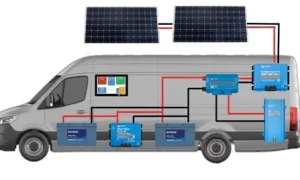
- Connect the inverter directly to your battery terminals using the shortest possible cables to minimize voltage drop.
- Install an inline fuse between the battery and the inverter to protect your system from short circuits.
- Plug the Starlink Mini power cable into the inverter’s AC outlet and wait for the status lights to indicate a successful connection.
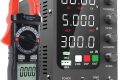
- Monitor the inverter’s output display if available to observe how the power draw changes during heavy data usage.
Common Mistakes to Avoid
One of the most frequent errors is using a modified sine wave inverter. While these are cheaper, they produce “choppy” power that can cause the Starlink Mini to overheat or reboot unexpectedly. Always check the label for “Pure Sine Wave” before purchasing.
Read also: How to Calculate Surge Watts for Refrigerator Compressors
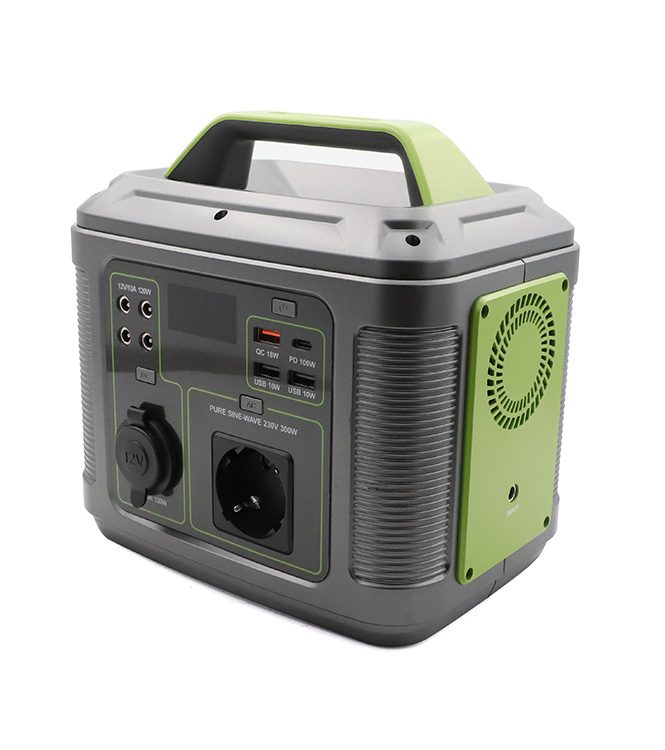
📷 Photo by portablepower-station.com
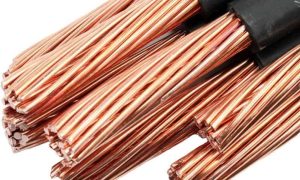
Another common mistake is ignoring cable gauge. Using thin wires for a high-current connection from the battery to the inverter can lead to overheating and significant voltage drops. Always use thick, high-quality copper cabling to ensure the inverter receives a consistent 12 volts, even when the Starlink Mini is pulling peak power.
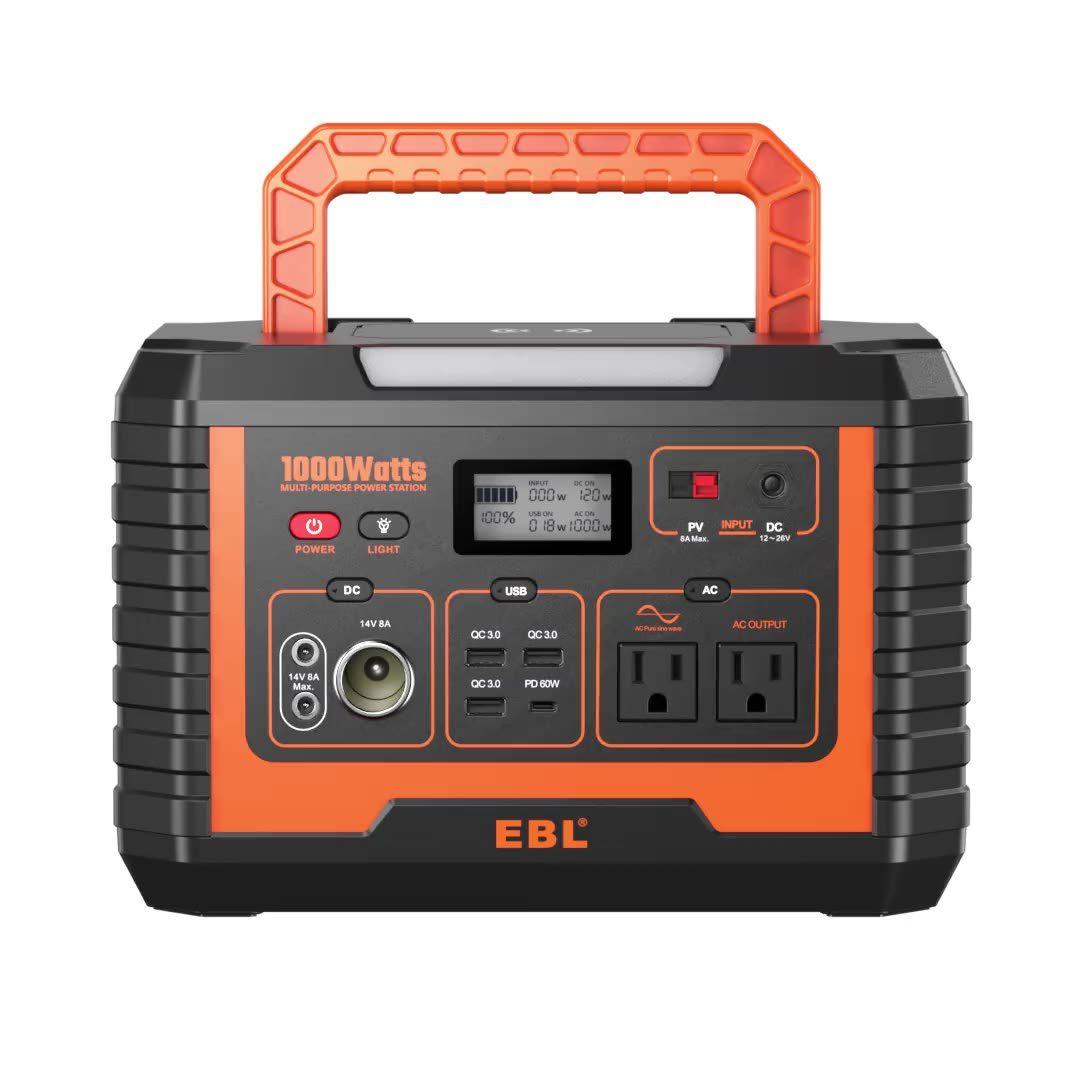
📷 Photo by alibaba.com
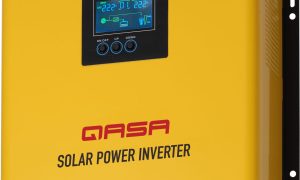
Additionally, do not place the inverter in an enclosed, non-ventilated space. Even small inverters generate heat under load. If the inverter cannot dissipate heat, it will trigger its internal thermal protection and shut down your internet connection exactly when you need it most.
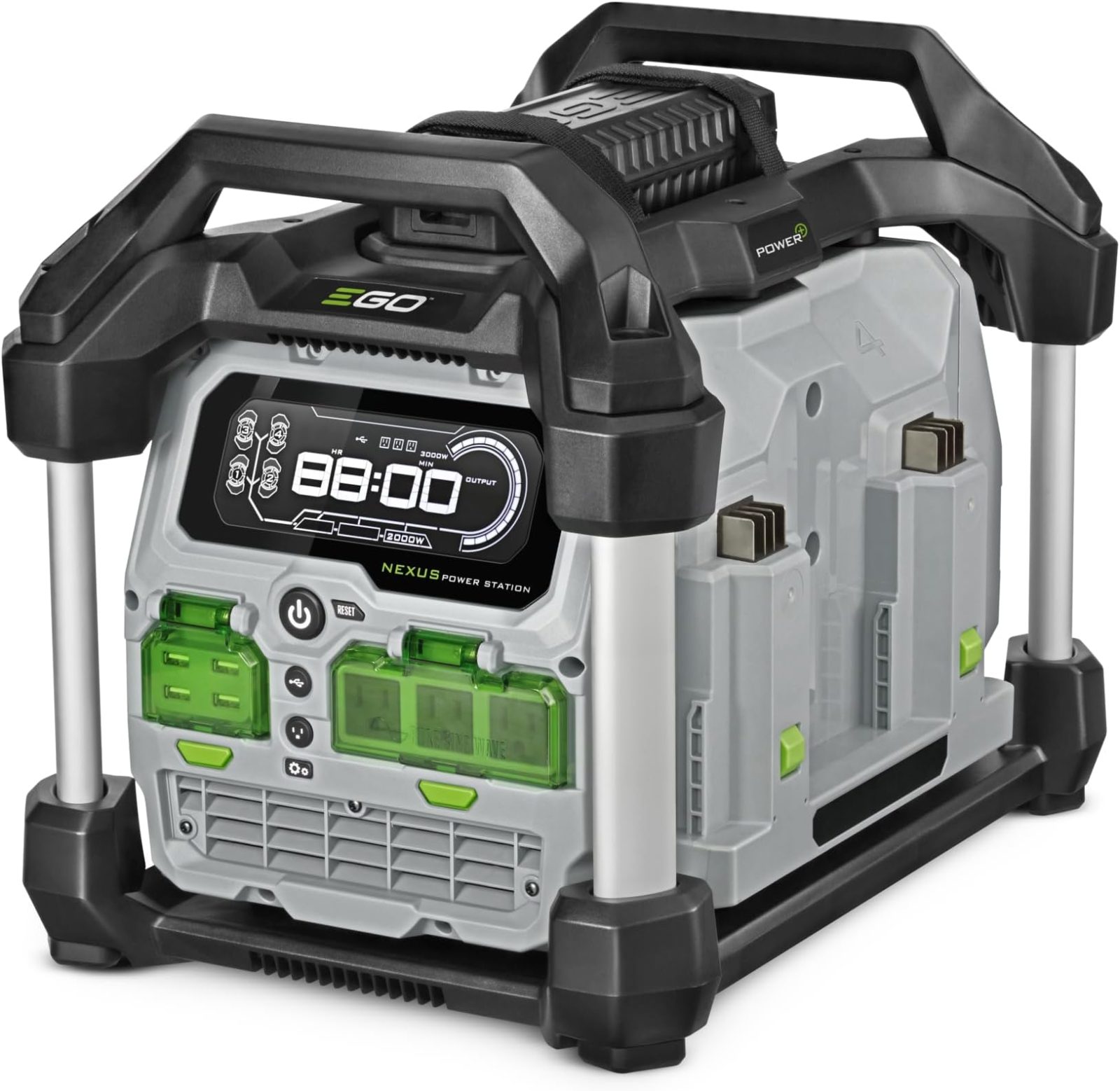
📷 Photo by amazon.com
Risks of Under-Sizing Your Inverter
Using an inverter that is too small for the Starlink Mini creates a risk of “brownouts.” When the dish tries to pull more power than the inverter can provide, the voltage to the device will dip. This can cause the satellite dish to lose its lock on the signal, forcing it to restart the alignment process. In the long run, consistent power instability can degrade the internal capacitors of the Starlink Mini, leading to premature hardware failure.
Frequently Asked Questions
Q: Can I run my Starlink Mini directly from a 12V DC source instead of an inverter?
A: Yes, many users perform a “DC conversion” modification to bypass the inverter entirely, which is more energy-efficient, but this requires technical skill and may void your Starlink warranty.
Q: Does the Starlink Mini consume more power when it is cold outside?
A: Yes, the device automatically activates its internal heating element to melt snow and prevent ice buildup, which significantly increases power consumption and requires a more robust inverter capacity.
Q: Should I turn off the inverter when I am not using the internet?
A: It is highly recommended to turn off the inverter when not in use to prevent the idle power draw from slowly draining your battery bank over time.
By selecting a 300-watt pure sine wave inverter, you provide the perfect balance of headroom and efficiency for your Starlink Mini. This setup ensures that your connection remains stable regardless of weather conditions or network demand, allowing you to enjoy reliable high-speed internet wherever your journey takes you.
📷 Photo by storage.googleapis.com