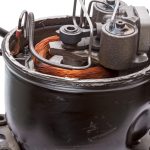


Vanonpower.com – Calculating surge watts for a refrigerator compressor requires multiplying the running wattage by a factor of 3 to 5, as the initial power spike—known as LRA or Locked Rotor Amps—is necessary to overcome the compressor’s mechanical inertia during startup.
Understanding the difference between running wattage and surge wattage is critical for anyone planning to run a refrigerator on an off-grid solar system, a portable power station, or a backup generator. While your refrigerator might only pull 150 watts while running, the internal compressor motor requires a massive, instantaneous burst of energy to start spinning from a dead stop. If your power source cannot handle this surge, it will trip the inverter, blow a fuse, or fail to start the appliance entirely.
Why Surge Watts Matter
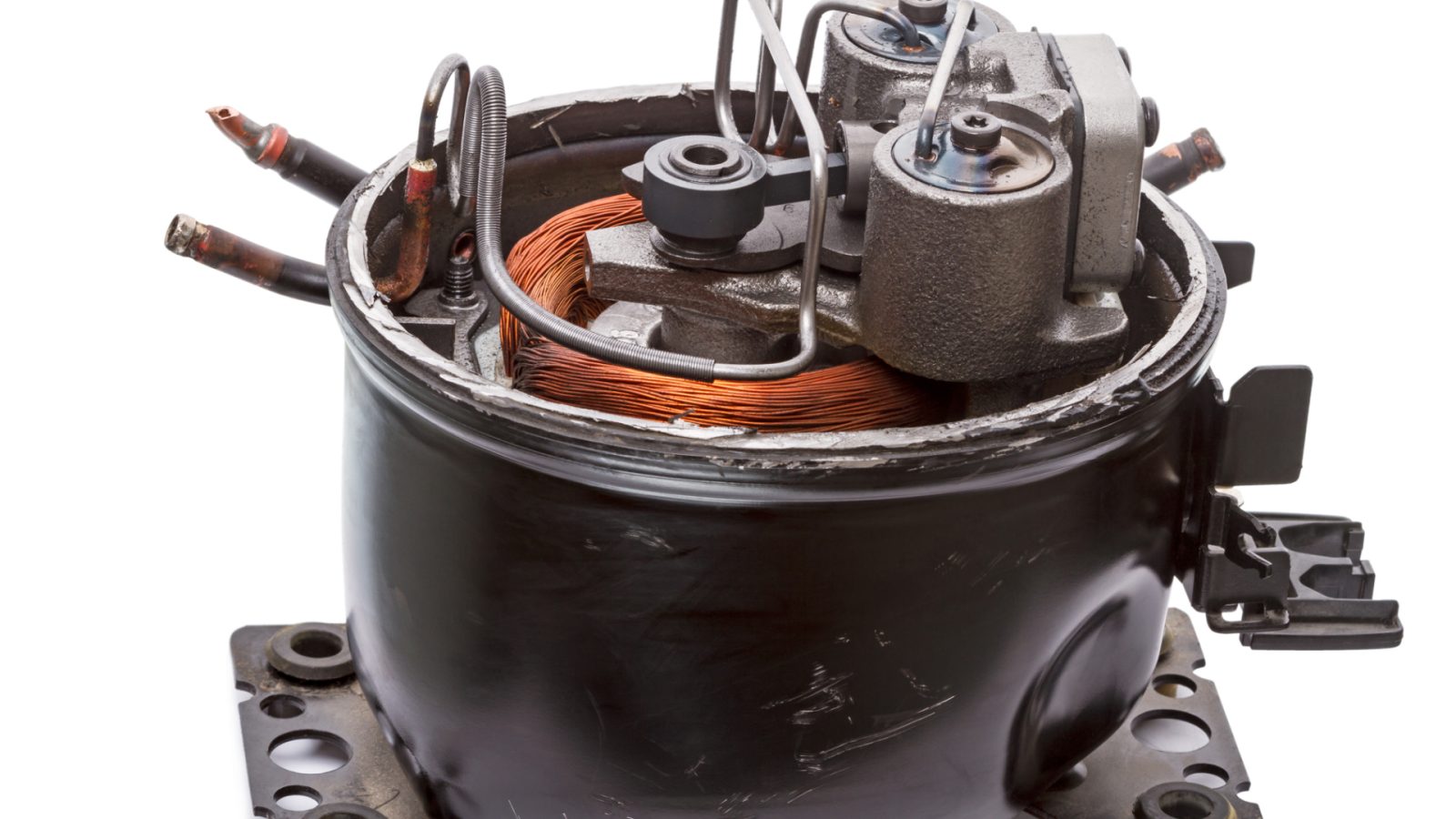
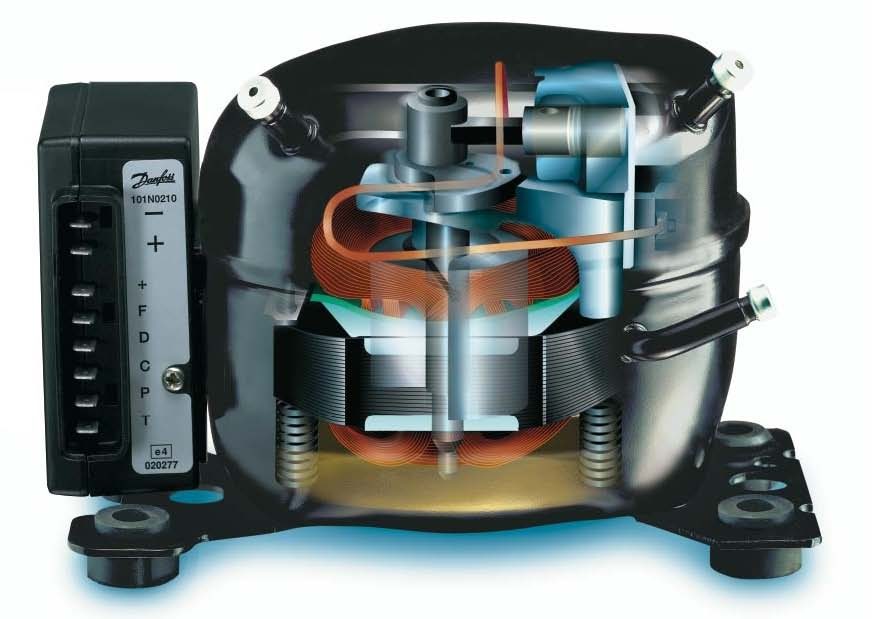
Refrigerators utilize induction motors. When the motor kicks on, the magnetic field must be established while the compressor piston is under pressure. This demand creates a brief period of high current draw. If you are sizing an inverter or a battery bank, ignoring this surge is the most common mistake made by DIY enthusiasts. A 500-watt inverter might seem sufficient for a 150-watt fridge, but it will likely shut down every time the compressor cycles on.
Identifying Your Refrigerator’s Data
Every refrigerator sold contains a nameplate, usually found inside the main cabinet, on the door frame, or at the back near the compressor. Look for the label that lists the voltage (usually 115V or 230V) and the amperage (Amps). If the plate only lists Amps, you can calculate the running wattage using the formula: Volts × Amps = Watts. Once you have the running wattage, you apply the surge multiplier.
📷 Photo by path.qualityauthors.co.uk
| Appliance Type | Running Watts (Avg) | Surge Multiplier | Estimated Surge Watts |
|---|---|---|---|
| Mini Fridge | 80 – 120W | 3x | 240 – 360W |
| Standard Household Fridge | 150 – 250W | 4x | 600 – 1000W |
| Large Commercial Fridge | 300 – 500W | 5x | 1500 – 2500W |
Steps to Accurately Calculate Your Needs
Follow these steps to ensure your power supply is capable of handling the load without risking hardware damage:
- Locate the manufacturer’s label on your refrigerator to find the “Rated Amps” or “Running Watts.”
- If only Amps are listed, multiply the Amperage by the voltage of your wall outlet (e.g., 1.5 Amps × 120 Volts = 180 Running Watts).
- Identify the compressor type. Older, non-inverter compressors usually require a 4x to 5x multiplier, while modern “Inverter Technology” fridges are more efficient and may only require a 2x surge.
- Multiply your running wattage by the appropriate multiplier to determine your minimum surge requirement.
- Cross-reference this number with the “Peak Wattage” or “Surge Capacity” rating of your generator or inverter, not just the continuous output rating.
Common Mistakes and Practical Tips
One common mistake is assuming that all fridges are created equal. Modern refrigerators labeled as “Inverter” or “Variable Speed” compressors are different from traditional models. These newer units ramp up slowly, drastically reducing the surge requirement. If you are unsure, always assume the higher multiplier to be safe. It is much better to have an inverter that is slightly oversized than one that is constantly failing.
Another factor is the ambient temperature. When a refrigerator is placed in a hot garage, the compressor has to work harder and cycle more frequently. This increases the internal pressure against the compressor, which can lead to higher surge requirements than in a climate-controlled kitchen. Always ensure your power source has a buffer of at least 20 percent above your calculated surge requirement to account for these environmental variations.
Read also: Best Pure Sine Wave Inverters for Off-Grid Vans
Risks of Undersizing Your Power System
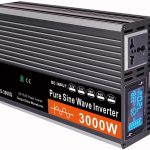
Attempting to power a refrigerator with a system that cannot handle the surge leads to “voltage sag.” During the surge, the voltage drops momentarily. If this happens frequently, the compressor motor can overheat, leading to premature failure of the start relay or the motor windings themselves. Furthermore, cheap modified-sine-wave inverters often struggle more with inductive loads like motors than pure-sine-wave inverters. If you are running a fridge off-grid, a pure-sine-wave inverter is non-negotiable for the longevity of your compressor.
Pro Tip: If you are using a generator, ensure it is rated for “starting watts.” Many manufacturers market the “running watts” on the front of the box, which can be misleading for someone needing to start a heavy motor.
Frequently Asked Questions
Q: Can I use a clamp meter to measure the actual surge watts?
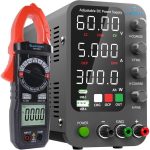
A: Yes, you can use a digital clamp meter with a “Max Hold” or “Inrush” function. Clamp it around the live wire and observe the reading as the compressor starts, though keep in mind the surge happens in milliseconds, so a standard meter may not capture the full peak.
Q: Does the length of my extension cord affect the surge?
A: Yes, a long or thin extension cord creates voltage drop. If the wire gauge is too small, the refrigerator will struggle to get the necessary current to start, which can lead to a failed start attempt and potential damage to the compressor start capacitor.
Q: What happens if my inverter is slightly too small for the surge?
A: In most cases, the inverter will enter “Overload Protection” mode and shut down. However, repeatedly pushing an inverter to its limit can shorten the lifespan of its internal capacitors and could eventually cause the inverter to fail permanently.
By carefully calculating these requirements, you protect your investment and ensure that your food stays cold regardless of whether you are relying on grid power, solar arrays, or portable battery backups. Always prioritize a higher surge capacity to account for the mechanical realities of compressor startup.
📷 Photo by design.udlvirtual.edu.pe