

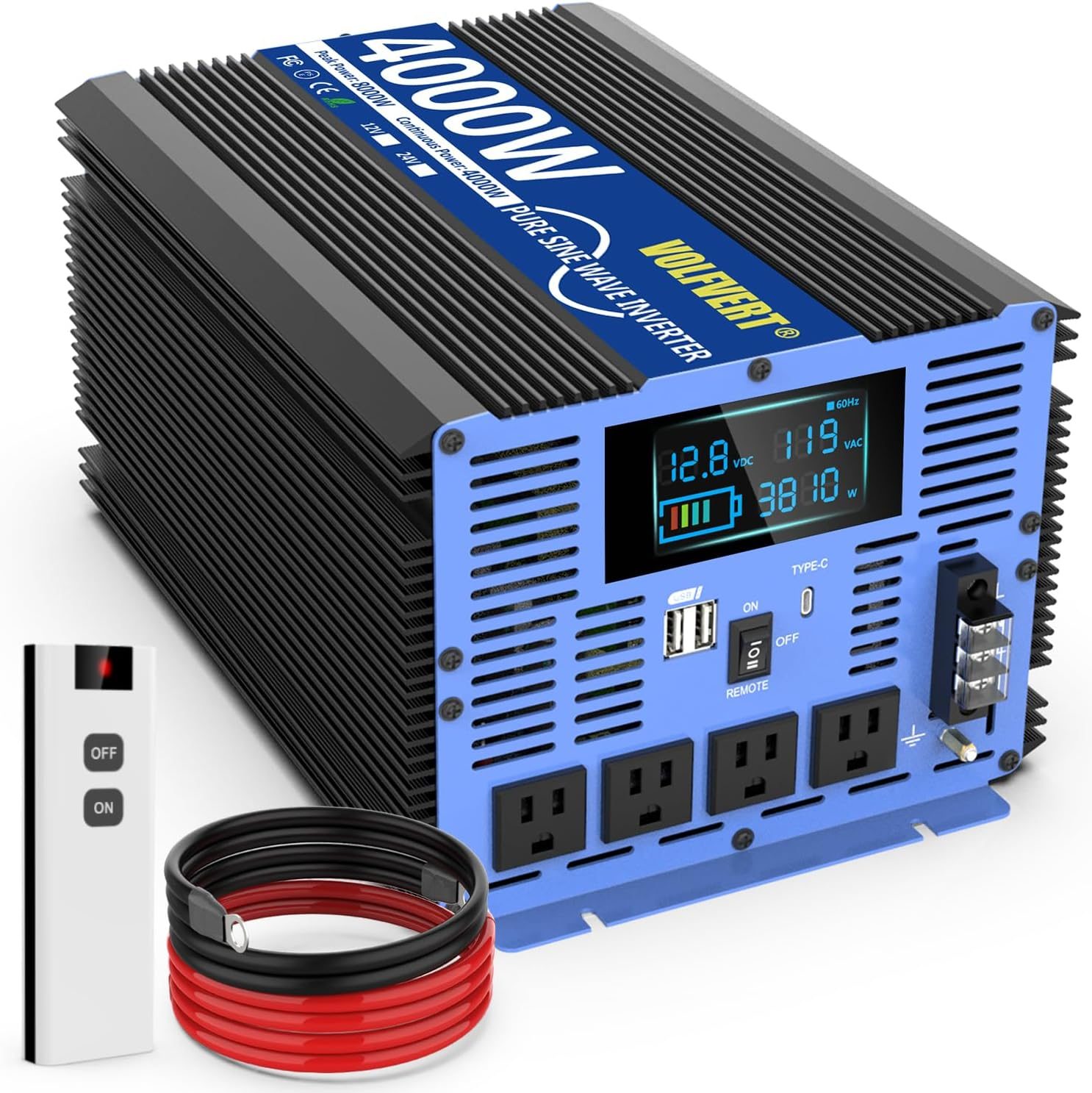
Vanonpower.com – High voltage DC systems offer superior efficiency and lower current requirements for large-scale energy storage, whereas low voltage inverter systems provide safer, more cost-effective solutions for residential and small-scale off-grid applications.
The choice between high voltage (HV) and low voltage (LV) inverter systems is a critical decision that dictates the efficiency, safety, and scalability of an energy storage setup. As renewable energy adoption grows, understanding the fundamental differences between these architectures is essential for homeowners and system designers alike.
Understanding Low Voltage (LV) Systems
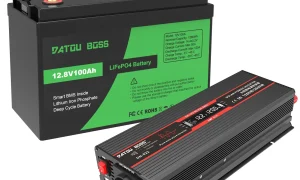
Low voltage systems typically operate at 12V, 24V, or 48V DC. They have been the industry standard for decades, particularly in small camper vans, tiny homes, and backup power systems. The primary advantage of an LV system is its simplicity and inherent safety. Because the voltage remains low, the risk of lethal electric shock during installation or maintenance is significantly reduced compared to high voltage setups.
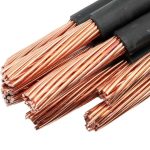
However, LV systems suffer from a major drawback: current magnitude. According to Ohm’s law, power equals voltage multiplied by current (P=VI). To deliver the same amount of power at a lower voltage, the current must increase significantly. High current causes heat generation in cables, leading to energy loss through resistance. This necessitates the use of thick, heavy, and expensive copper cabling to prevent voltage drops and fire hazards.
The Rise of High Voltage (HV) Systems
High voltage systems generally operate between 200V and 800V DC. These systems are becoming the gold standard for residential solar-plus-storage and large-scale commercial applications. By increasing the voltage, the system can transmit the same amount of power using much lower current. This fundamental shift allows for thinner wiring and significantly higher efficiency, as power loss due to resistance is minimized.
HV systems also enable a more direct connection to solar arrays. Many solar panels operate naturally at higher voltages; an HV inverter can process this energy with minimal conversion steps. This “direct-to-battery” efficiency reduces the energy lost during the DC-to-DC conversion process, which is a common bottleneck in traditional LV setups.
Technical Comparison Table
| Feature | Low Voltage (12V/24V/48V) | High Voltage (200V+) |
|---|---|---|
| Cable Thickness | Very Thick (High Current) | Thin (Low Current) |
| Efficiency | Lower (Higher resistive loss) | Higher (Lower resistive loss) |
| Safety Risk | Low (Minimal arc risk) | High (Requires specialized tools) |
| Best Application | Van life, small off-grid | Home storage, EV charging |
Practical Installation Considerations
Transitioning to a high voltage system requires a shift in mindset regarding safety and hardware compatibility. While LV systems can often be managed by DIY enthusiasts, HV systems frequently require professional certification due to the risks of DC arcing and potential electrocution. If you are planning an upgrade, follow these steps to evaluate your needs:
- Assess your total power load requirement: If your daily consumption exceeds 10kWh, an HV system is likely more efficient.
- Check local electrical codes: Many jurisdictions have strict regulations regarding DC voltages above 60V, which may require specific permits.
- Evaluate cable run distances: If your batteries are located far from your inverter, HV systems will save you significantly on copper costs.
- Review component compatibility: Ensure your battery management system (BMS) and charge controllers are rated for the specific voltage range of your inverter.
Risks and Common Mistakes
One of the most common mistakes in system design is underestimating the heat generated by current. In LV systems, users often use undersized cables to save money, which leads to excessive heat, melted insulation, and potential battery failure. Conversely, in HV systems, the most common mistake is failing to use proper DC-rated circuit breakers. Standard AC breakers cannot handle the sustained arc of a high-voltage DC current, which can lead to catastrophic system failure during a fault.
Another risk factor is the “memory effect” or imbalance in battery cells. Because HV systems often utilize a large series-string of batteries, if one cell fails or becomes unbalanced, it can compromise the entire string. Regular monitoring of the BMS is vital in HV setups to ensure longevity and safety.
Choosing the Right Path
If you are building a small, mobile system, stick to 48V LV architecture. It is robust, easy to troubleshoot, and parts are readily available. However, if you are building a permanent home energy system intended to power heavy appliances like heat pumps or induction stoves, the high efficiency and scalability of an HV system will pay for itself in reduced energy losses over the lifespan of the system.
Frequently Asked Questions
Q: Is it possible to upgrade an LV system to an HV system later?
A: Generally, no. Most components, including the inverter, wiring, and charge controllers, are voltage-specific. You would likely need to replace the entire ecosystem of components to make the switch.
Q: Why is high voltage considered more efficient?
A: Efficiency is gained by reducing resistive heat losses in the cables. By raising the voltage, you lower the current (amperage) required to move the same amount of power, significantly reducing the energy wasted as heat in the wiring.
Q: What is the biggest danger of high voltage DC?
A: Unlike AC, which crosses zero volts 100-120 times per second, DC voltage is constant. If you touch a high-voltage DC line, the constant current can cause muscles to contract, making it difficult to let go, leading to severe electrical burns or cardiac arrest.
In summary, while low voltage systems remain the king of portability and personal projects, the industry is clearly trending toward high voltage for stationary, high-capacity energy storage. Balancing your specific power needs against the safety and installation requirements of each system is the key to a successful energy investment.
📷 Photo by manuals.plus