

Vanonpower.com – Testing your solar panels before permanent installation involves measuring the Open Circuit Voltage (Voc) and Short Circuit Current (Isc) using a digital multimeter to ensure they meet the manufacturer’s performance specifications. This critical verification step prevents the hassle of troubleshooting or uninstalling panels after they have been mounted on a roof or structural frame.
Why Pre-Installation Testing is Non-Negotiable
Many DIY enthusiasts and even some contractors make the mistake of assuming a brand-new solar panel is functioning perfectly straight out of the box. However, shipping damage, micro-cracks in cells, or manufacturing defects can lead to significant power losses that are difficult to diagnose once the panels are fixed in place. By performing a quick bench test, you confirm that your investment is sound and that your system will operate at peak efficiency from day one.
Essential Tools for Testing
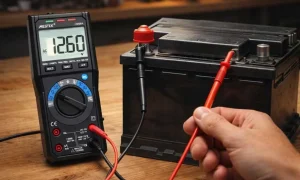
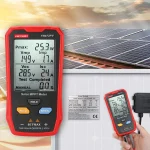
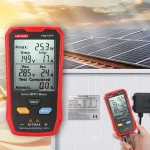
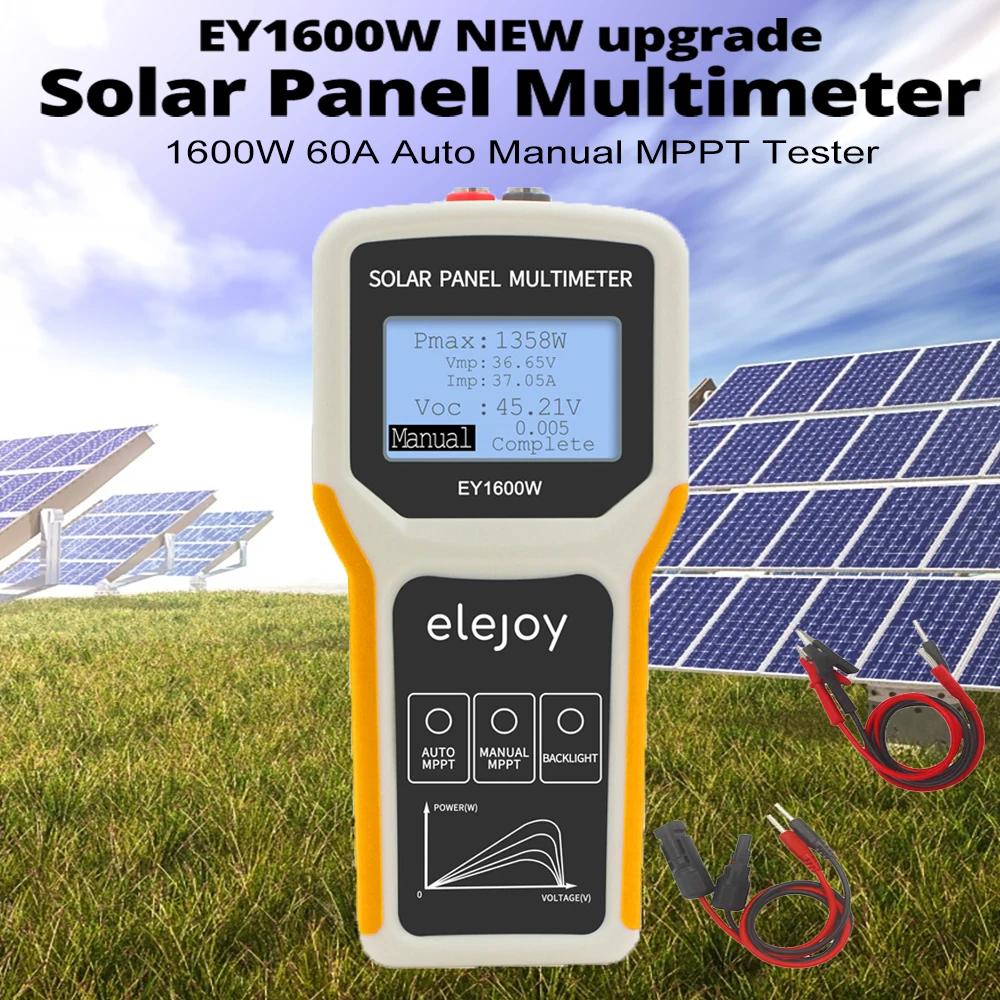
To conduct these tests safely and accurately, you need a reliable digital multimeter capable of handling the voltage and current ratings of your specific panels. Ensure your multimeter is rated for the DC voltage levels your panels produce, as some high-voltage residential systems can exceed the capacity of basic household meters. You will also need MC4 connector leads or alligator clips to create a secure connection between the panel terminals and your testing device.
Step-by-Step Testing Procedure
Follow these steps to safely measure your solar panel output before committing to a permanent mounting location:
- Clear a flat, unobstructed area in direct sunlight to place your solar panel.
- Set your digital multimeter to the DC Voltage setting (VDC) at the highest range provided to avoid overloading the meter.
- Connect the positive (red) lead of the multimeter to the positive terminal of the solar panel and the negative (black) lead to the negative terminal.
- Record the Open Circuit Voltage (Voc) displayed on the screen and compare it to the value printed on the panel’s rear label.
- Switch your multimeter to the DC Amperage setting (ADC) and ensure your leads are plugged into the correct ports for current measurement.
- Connect the leads to the panel terminals to measure the Short Circuit Current (Isc), again comparing the result to the manufacturer’s specifications.
Understanding Solar Panel Metrics
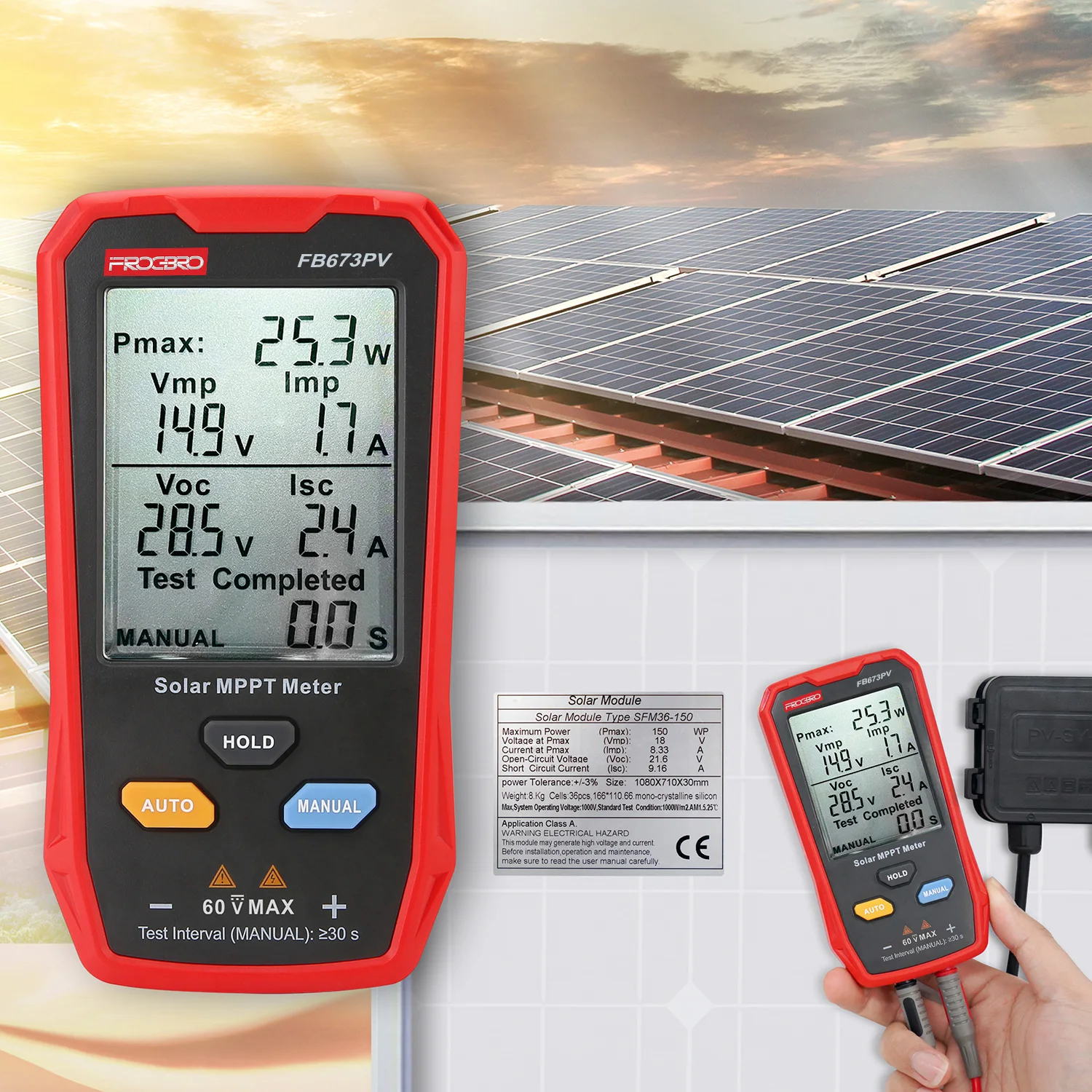
It is important to remember that the values you measure under standard field conditions will rarely match the “STC” (Standard Test Conditions) values printed on the back of the panel. STC assumes an irradiance of 1000W/m2 and a cell temperature of 25 degrees Celsius. If your ambient temperature is higher or the sunlight is not perfectly perpendicular, your readings will naturally be lower. Use the table below to understand what these specific readings signify during your testing process.
📷 Photo by aliexpress.com
| Metric | Meaning | What to Look For |
|---|---|---|
| Open Circuit Voltage (Voc) | Maximum voltage when no current is flowing. | Should be close to the label value; low voltage indicates a cell defect. |
| Short Circuit Current (Isc) | Maximum current when terminals are connected. | Must match specs; significant drops suggest internal wiring issues. |
| Max Power Voltage (Vmp) | Voltage at which the panel produces maximum power. | Often requires a load to measure accurately; usually lower than Voc. |
Common Mistakes and Safety Precautions
One of the most frequent errors during testing is attempting to measure current while the multimeter is still set to the voltage mode. This can blow the internal fuse of your multimeter. Always double-check your dial setting and lead configuration before making contact with the terminals. Furthermore, avoid performing these tests in the rain or with wet hands, as even small solar panels can generate enough voltage to cause a painful or dangerous electrical shock.
Another common mistake is neglecting to account for shading. Even a small portion of the panel covered by a leaf or a shadow from a nearby object can drastically reduce the current output, leading you to believe the panel is faulty when it is actually functioning correctly. Ensure the panel is fully exposed to clear, unobstructed sunlight for the most accurate baseline reading.
What to Do If Readings Are Off
If your measured Voc is significantly lower than the label—for example, 10% or more lower—there may be a broken bypass diode or a fractured internal busbar. In these cases, do not attempt to repair the panel yourself, as this will void your warranty. Contact the vendor immediately with the serial number and your recorded test values. Providing documented proof of a “dead-on-arrival” panel makes the return or replacement process significantly faster and more successful.
Environmental Impacts on Output
Temperature plays a massive role in solar performance. Solar panels are actually more efficient in cooler temperatures. If you are testing on a very hot day, you should expect your voltage readings to be slightly lower than what is listed on the data sheet. Conversely, if you are testing on a crisp, cold morning with bright sun, your voltage might actually exceed the label’s Voc rating. Understanding these environmental variables prevents unnecessary panic during your testing phase.
Frequently Asked Questions
Q: Is it dangerous to short-circuit the panel to measure current?
A: Short-circuiting a single solar panel for a brief moment to measure Isc is a standard industry practice and is generally safe, provided you do not maintain the short for an extended period or handle the live wires recklessly.
Q: Does the panel need to be connected to a battery to test it?
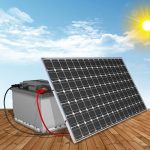
A: No, you should never connect a panel to a battery while performing these specific diagnostic tests. Testing should be done with the panel electrically isolated from any charge controller or battery bank to ensure accurate readings.
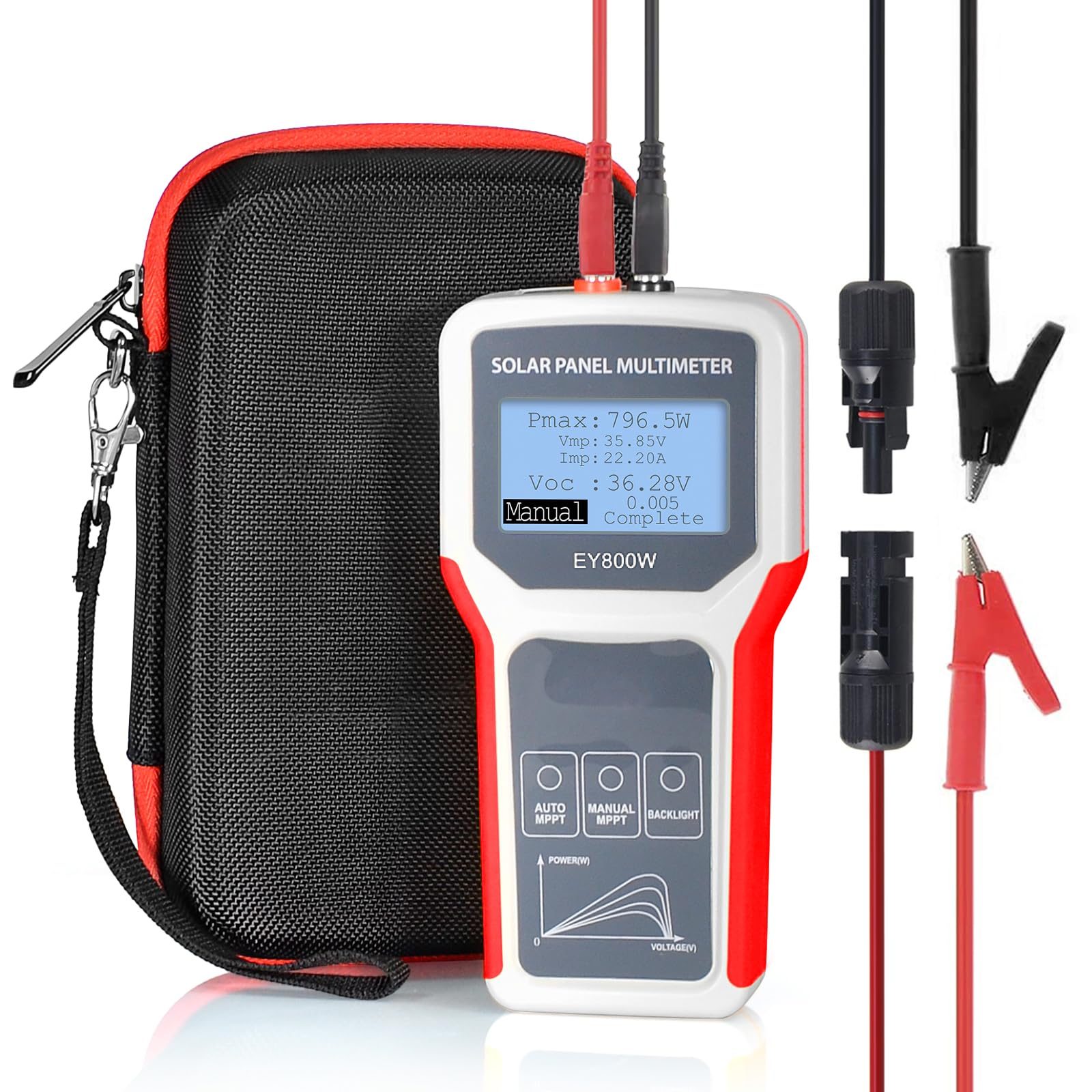
📷 Photo by snapklik.com
Q: Why is my multimeter reading zero volts?
A: If you get a zero reading, first ensure your leads are securely connected and the multimeter is set to the correct DC mode. If the connections are good, check for a blown fuse inside the multimeter or a potential open circuit within the panel’s junction box.
By taking the time to perform these simple tests before you mount your panels, you protect your system’s integrity and ensure that your final installation is reliable and efficient. Always prioritize safety, use quality testing equipment, and document your results to establish a baseline for your solar system’s long-term maintenance.
📷 Photo by alibaba.com