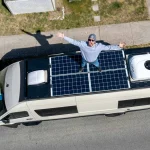


Vanonpower.com – Solar panel efficiency typically degrades by 0.5% to 0.8% annually in mobile environments, meaning a panel will likely retain 96% to 97.5% of its original performance after five years of consistent use. This rate is slightly higher than stationary systems due to mechanical stresses, vibrations, and frequent thermal cycling inherent in mobile setups like RVs, vans, and boats.
Understanding the Degradation Mechanics
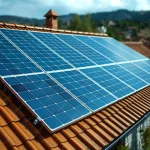
📷 Photo by rescue-my-roof.com
Mobile solar installations face a unique set of challenges that stationary residential systems do not encounter. While the photovoltaic cells themselves are robust, the mounting hardware, wiring, and the physical structure of the panel are subjected to constant kinetic energy. Over five years, the cumulative effect of driving on uneven roads or navigating choppy waters can lead to micro-cracks in the silicon wafers.
Thermal cycling is another critical factor. As a vehicle moves through different climates, the panels expand and contract rapidly. This repeated movement can compromise the integrity of the solder joints and the protective ethylene-vinyl acetate (EVA) encapsulant. When these materials degrade, moisture ingress becomes a significant risk, leading to localized corrosion that further hampers energy conversion efficiency.
Factors Accelerating Efficiency Loss
Not all solar setups degrade at the same rate. The environment plays a decisive role in how much output you lose over a half-decade. High-heat environments are particularly damaging; extreme temperatures accelerate the chemical breakdown of the panel’s backsheet and sealants. If your mobile home spends most of its time in desert regions, you should expect to be on the higher end of the degradation spectrum.
Another major contributor is the “shading profile.” In mobile environments, you are constantly changing parking spots. Frequent exposure to partial shading—caused by tree branches, roof vents, or air conditioning units—can trigger hot spots. These hot spots create localized resistance, which over five years, permanently degrades the affected cells and reduces the overall power output of the string.
Comparison of Degradation Factors
| Factor | Impact on 5-Year Degradation | Mitigation Strategy |
|---|---|---|
| Mechanical Vibration | Moderate to High | Use rubber vibration dampeners |
| Thermal Cycling | High | Ensure proper airflow under panels |
| UV Exposure | Low to Moderate | Choose panels with high-quality EVA |
| Micro-cracking | Moderate | Avoid walking on panels |
Practical Steps to Preserve Efficiency
📷 Photo by dreamstime.com
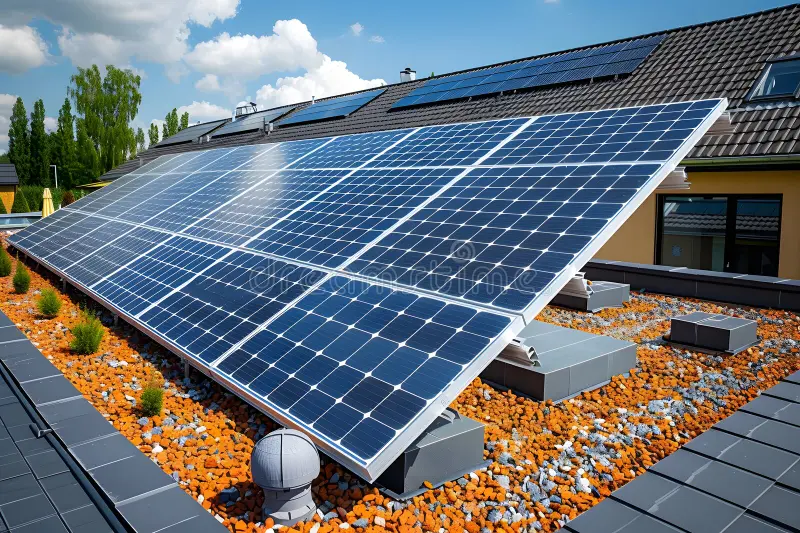
While you cannot stop the natural aging process of photovoltaic materials, you can significantly slow down the rate of degradation through proactive maintenance. By treating your solar array as a dynamic component rather than a “set and forget” system, you preserve your investment.
- Inspect all wiring connections every six months to ensure vibrations have not loosened terminals, which creates resistance and heat.
- Clean the glass surface with deionized water to prevent dust and grime from creating permanent hot spots during long-term parking.
- Check the mounting brackets for signs of fatigue or rusting, as a loose panel is prone to excessive vibration and potential structural failure.
- Apply a high-quality UV-resistant sealant to the edges of the panel frame if the factory seal shows signs of peeling or cracking.
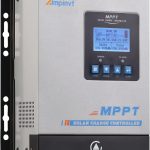
- Use a charge controller with MPPT technology to ensure that the voltage is optimized, reducing the stress on the panel during suboptimal light conditions.
The Role of Panel Type
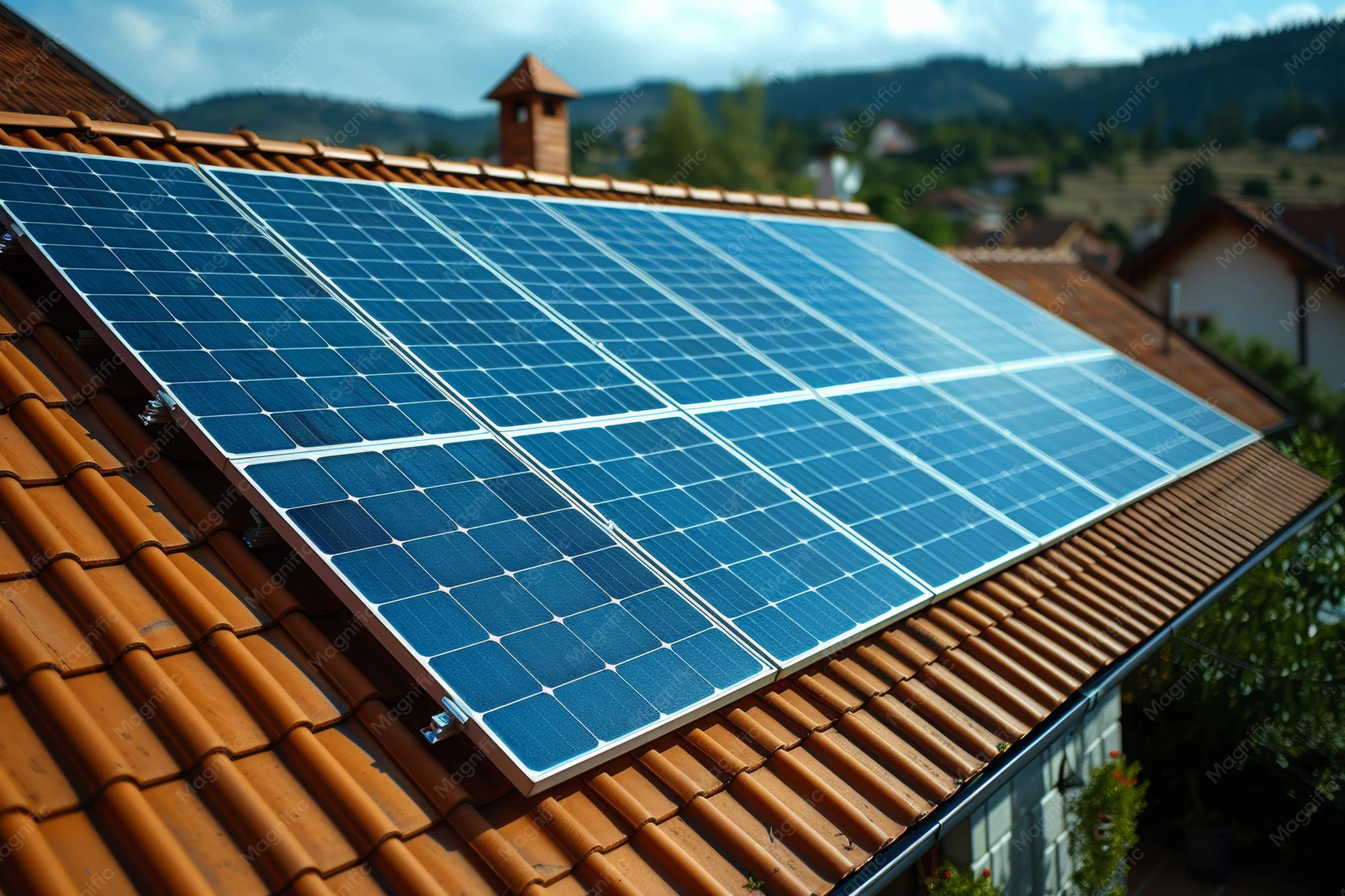
The type of solar panel used in a mobile environment dictates its longevity. Flexible, thin-film panels are popular for their weight savings, but they often experience faster degradation than rigid monocrystalline panels. Because flexible panels are bonded directly to the roof, they absorb the vehicle’s structural flex, which can lead to rapid cell fatigue. Rigid panels, mounted with an air gap, benefit from better heat dissipation and structural isolation, usually resulting in a longer lifespan in mobile applications.
Common Mistakes that Shorten Lifespan
One of the most frequent mistakes owners make is mounting panels too flush against the roof surface. Without a gap for airflow, the panel temperature spikes, which directly lowers the voltage output and accelerates the degradation of internal components. Additionally, neglecting to use proper cable glands can allow water to seep into the junction box, leading to terminal corrosion that is often irreversible.
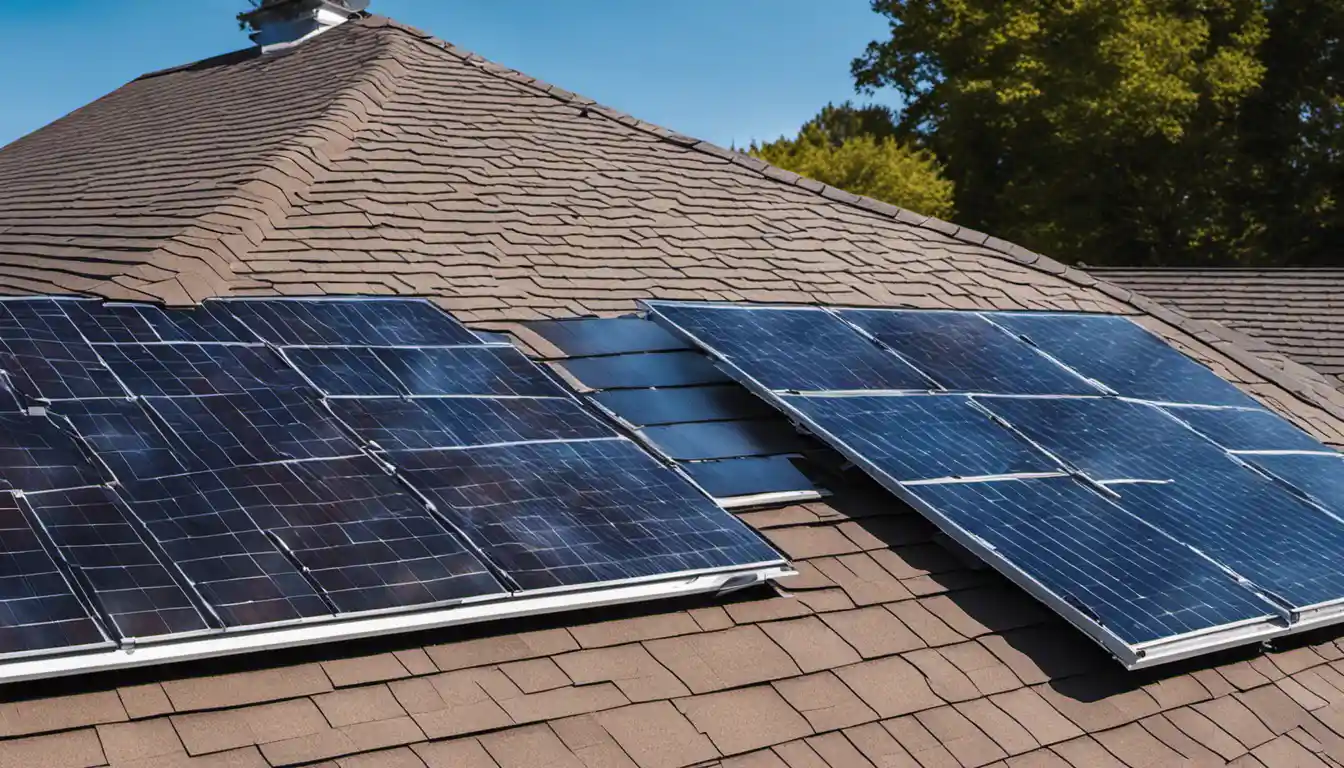
Another common error is failing to fuse the system correctly. Electrical spikes caused by faulty wiring or lightning surges can cause microscopic damage to the bypass diodes. Once a bypass diode is damaged, the panel loses a portion of its active string, immediately dropping its efficiency by a significant margin rather than the slow, expected degradation curve.
📷 Photo by solvoltaics.com
Frequently Asked Questions
Q: Is it normal for my 5-year-old panel to perform at 90% of its rated capacity?
A: Yes, in a mobile environment, a 10% loss over five years is within an acceptable range, considering the combined stress of thermal cycling and vibrations.
Q: Can I restore the efficiency of a degraded panel?
A: Generally, no. Degradation caused by micro-cracks or chemical breakdown of the encapsulant is permanent. Cleaning the surface can help restore output if the loss is due to dirt, but not if it is due to cell aging.
Q: Should I replace my panels after 5 years if they show 5% degradation?
A: No, 5% is very low. Most solar panels have a useful life of 20 to 25 years. Unless the panels are physically damaged or failing to meet your power needs, they remain functional for many more years.
Final Considerations
Monitoring your system’s performance is the best way to track degradation. Keep a simple log of your peak daily output under similar weather conditions each year. If you notice a sudden, sharp drop in production—rather than a slow decline—it is usually a sign of a wiring issue or a failed diode rather than standard degradation. By staying observant and maintaining your mounting hardware, you ensure that your mobile energy system remains reliable for the long haul.
📷 Photo by freepik.com