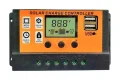




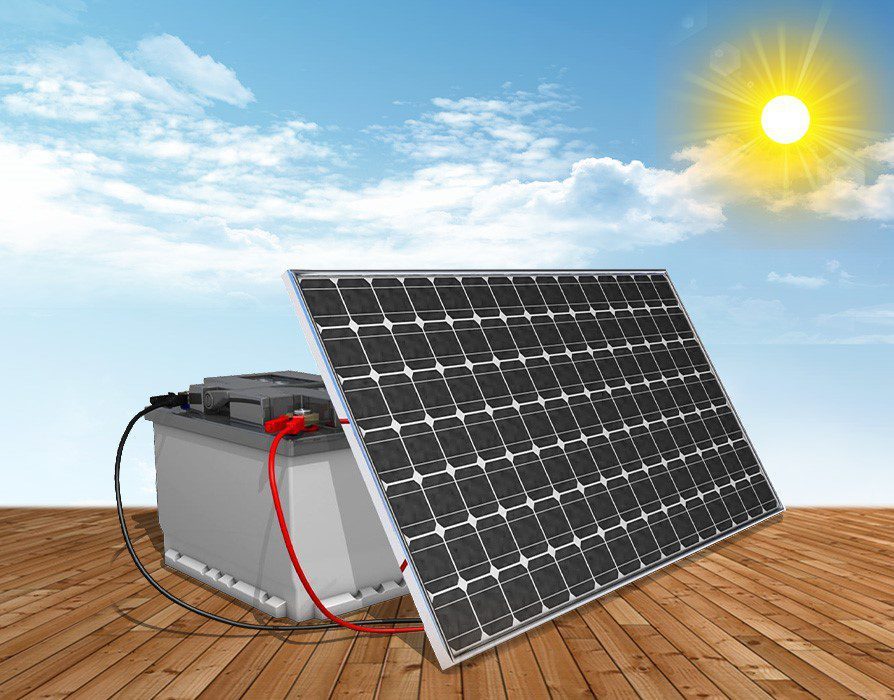
Vanonpower.com – Pairing a 24V solar panel with a 12V battery bank is entirely possible by using a Maximum Power Point Tracking (MPPT) charge controller, which efficiently down-converts the higher voltage to the appropriate charging level for your battery. Attempting this connection without a proper controller or by using a basic PWM controller will result in significant energy loss or potential damage to your battery system.
Understanding the Voltage Mismatch
Many solar enthusiasts find themselves with 24V panels but a 12V battery setup, often due to available inventory or specific system expansions. A 24V panel typically operates at a voltage (Vmp) of around 30 to 36 volts. A 12V battery, conversely, requires a charging voltage between 13.5 and 14.6 volts. If you connect these directly, the battery will be overwhelmed or the panel will not operate at its peak efficiency point.
The primary hurdle is the current-voltage relationship. A standard Pulse Width Modulation (PWM) controller acts as a switch; it essentially pulls the panel voltage down to the battery voltage. By doing this, you lose nearly 50 percent of your potential power because the extra voltage is simply discarded as heat. An MPPT controller, however, acts as a DC-to-DC converter, effectively trading that excess voltage for additional charging amperage, ensuring you get the most out of your solar investment.
Comparing Charge Controller Technologies
When dealing with 24V panels and 12V batteries, selecting the right controller is the most critical decision in your system design. The table below outlines why MPPT is the standard requirement for this configuration.
| Feature | PWM Controller | MPPT Controller |
|---|---|---|
| Efficiency with 24V Panel | Low (approx. 50% loss) | High (95% to 99% efficiency) |
| Voltage Matching | Forced reduction | Smart conversion |
| Cost | Budget-friendly | Higher initial investment |
| Performance in Clouds | Poor | Excellent |
Practical Steps for System Integration
To successfully integrate your 24V solar array with a 12V battery bank, follow these steps to ensure safety and performance. Always verify the specifications of your specific MPPT controller to ensure it can handle the Voc (Open Circuit Voltage) of your panels.
- Calculate the total wattage of your solar array and ensure your MPPT controller is rated for that wattage at 12V.
- Connect the battery bank to the MPPT charge controller first; this allows the controller to detect the system voltage (12V) before it receives power from the panels.
- Install a fuse or circuit breaker between the battery and the controller to protect against short circuits.
- Connect the 24V solar panel wires to the PV input terminals on the controller, ensuring you match the positive and negative polarities correctly.
- Monitor the controller display to confirm it is successfully receiving high voltage from the panels and outputting the correct charging voltage to the batteries.
Common Mistakes and Safety Hazards
One of the most frequent errors is ignoring the Open Circuit Voltage (Voc) of the solar panel. If your MPPT controller has a maximum input voltage limit of 60V and your panel has a Voc of 40V, you are safe. However, if you wire two 24V panels in series, the voltage could spike well over 80V in cold weather, which will instantly fry an entry-level controller. Always check the temperature coefficient of your panels, as voltage increases significantly in colder climates.
Another common mistake is undersizing the wiring. Because you are charging a 12V battery, the amperage will be double what it would be if you were charging a 24V bank. Ensure your cables from the controller to the battery are thick enough to handle the increased current without overheating or causing significant voltage drop.
Optimizing Your Battery Health
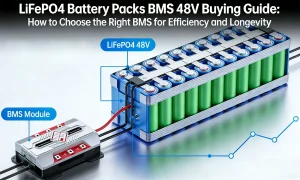
When using a 24V panel to charge 12V batteries, the MPPT controller provides a multi-stage charging process—bulk, absorption, and float. This is essential for battery longevity. Direct connections often lead to overcharging, which causes electrolyte loss in lead-acid batteries or dangerous thermal runaway in lithium iron phosphate (LiFePO4) batteries. By utilizing an MPPT controller, you gain the ability to program specific battery profiles, ensuring the charging curve matches the chemistry of your battery bank precisely.
Frequently Asked Questions
Q: Can I use a PWM controller if I absolutely have to?
A: Technically, some high-end PWM controllers can handle different voltages, but it is highly discouraged. You will lose half your power, and it will not provide the necessary charging stages to keep your batteries healthy long-term.
Q: Does the 24V panel charge faster than a 12V panel?
A: Not necessarily. The speed of charge is determined by the wattage (amps x volts). A 100W 24V panel provides the same amount of energy as a 100W 12V panel, provided the MPPT controller is used to convert that energy correctly.
Q: What happens if the solar panel voltage is too high for my controller?
A: The internal components of the charge controller will likely suffer permanent damage, often resulting in a short circuit or a complete loss of functionality. Always ensure your solar panel’s maximum voltage does not exceed the controller’s rated input capacity.
Final Considerations for System Longevity
Investing in a high-quality MPPT controller not only solves the voltage mismatch issue but also adds a layer of protection to your entire system. Many modern controllers include features like low-voltage disconnects, which prevent your batteries from being drained to a point of no return. By following the correct installation procedures and respecting the electrical limits of your equipment, you can build a robust, efficient solar power system that serves your needs for years to come.
📷 Photo by solarsme.com