



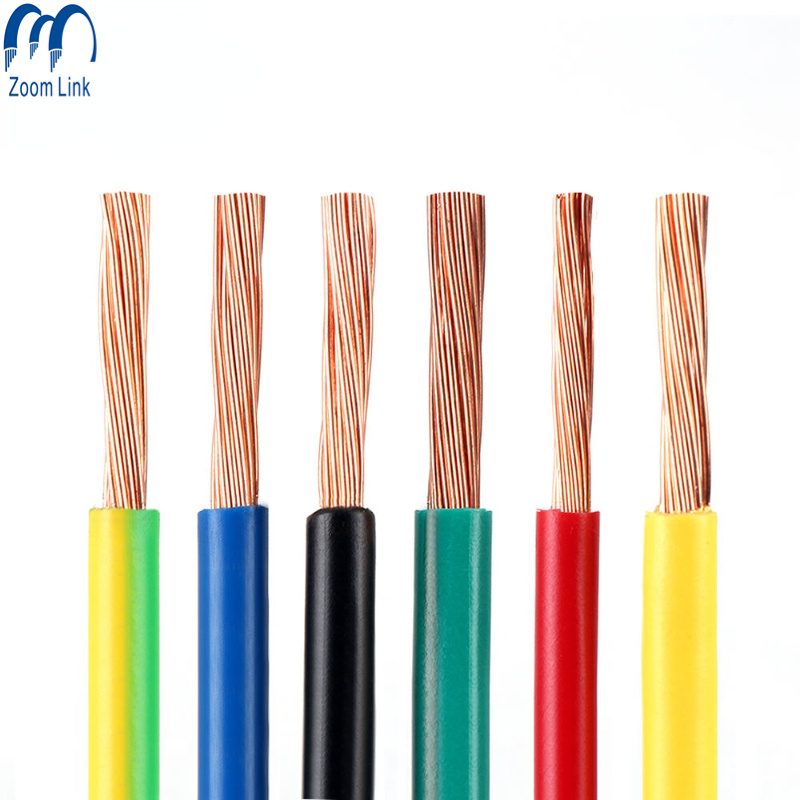
Vanonpower.com – For a 100 Amp DC circuit, you typically need 2 AWG copper wire for shorter distances, though you must upgrade to 1 AWG or 1/0 AWG to compensate for voltage drop if your cable run exceeds 15 to 20 feet.
Selecting the correct wire size for a 100 Amp DC circuit is not merely about preventing the wire from melting; it is about ensuring your equipment receives the voltage it needs to function correctly. DC systems are notoriously sensitive to voltage drop, especially at high current levels. If the wire is too thin, the resistance creates a drop in voltage, which causes motors to run hot, lights to dim, and sensitive electronics to shut down prematurely.
Understanding Ampacity and Voltage Drop
Ampacity refers to the maximum current a conductor can carry before it exceeds its temperature rating. For a 100 Amp circuit, the National Electrical Code (NEC) generally dictates that you must use wire rated for at least 125 percent of the continuous load. This means your wire must be rated for at least 125 Amps. However, ampacity is only half the battle. You must also calculate the total round-trip distance—the length of the wire from the power source to the device and back to the source.
The longer the wire, the higher the resistance. If you are wiring a solar array, a heavy-duty inverter, or a marine battery bank, failing to account for distance will result in significant power loss. A wire that is perfectly safe from a thermal standpoint (it won’t catch fire) can still be functionally useless because it delivers only 10 Volts instead of the intended 12 or 24 Volts.
Wire Selection Reference Table
The following table provides a general guideline for choosing copper wire sizes based on distance for a 100 Amp load. Please note that these values are calculated to keep voltage drop within reasonable limits (typically under 3 percent) for common DC voltages.
| Circuit Length (Round Trip) | Recommended Wire Size (Copper) |
|---|---|
| 0 to 10 Feet | 2 AWG |
| 11 to 20 Feet | 1 AWG |
| 21 to 35 Feet | 1/0 AWG |
| 36 to 50 Feet | 2/0 AWG |
| 51 to 75 Feet | 4/0 AWG |
Steps to Determine Your Specific Requirements
Before purchasing your cable, follow these steps to ensure safety and performance for your specific installation:
- Identify the total continuous current of your load. If the device pulls 100 Amps, calculate for 125 Amps to allow for headroom and safety margins.
- Measure the exact physical distance between your power source (e.g., battery bank) and the load. Remember to measure the positive and negative paths combined.
- Determine your system voltage. Lower voltages (like 12V) are much more susceptible to voltage drop than higher voltages (like 48V).
- Consult a voltage drop calculator to verify that your chosen wire size keeps the drop below 3 percent for critical equipment.
- Check the insulation temperature rating of the wire. High-amperage DC applications often generate significant heat, so ensure your wire is rated for at least 75 degrees Celsius or higher.
Common Mistakes to Avoid
One of the most frequent errors is ignoring the “round-trip” distance. Many DIY enthusiasts measure only the distance from the battery to the device, forgetting that the current must travel back through the negative cable. If you use a 20-foot run, you actually have 40 feet of conductor resistance. Underestimating this will lead to an undersized wire, causing your system to perform inefficiently.
Another mistake is mixing copper and aluminum wire without proper connectors. While aluminum is cheaper, it has different expansion properties and requires specific oxidation inhibitors. For most 100 Amp DC applications, high-quality stranded copper wire is the industry standard because it is flexible, durable, and highly conductive.
Lastly, do not overlook the importance of termination. Using the correct gauge wire is useless if you use a cheap, undersized crimp terminal. A loose connection or a high-resistance crimp will generate heat, melt your insulation, and eventually cause a total circuit failure. Always use high-quality, heavy-duty lugs and a proper hydraulic crimping tool.
Risks of Undersized Wiring
When you use wire that is too small for a 100 Amp load, the primary risk is heat. As the wire reaches its limit, the insulation will begin to degrade. Over time, this brittle insulation can crack, exposing the bare conductor and creating a significant fire hazard or a short circuit. Even if the wire doesn’t catch fire, the heat generated increases the electrical resistance further, creating a cycle that can permanently damage your batteries or the connected equipment.
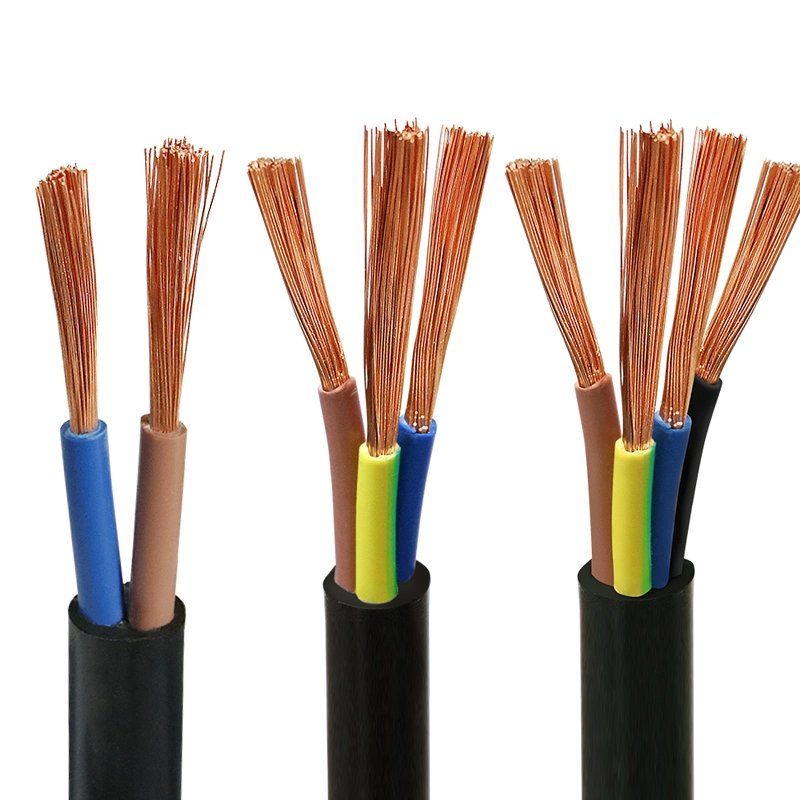
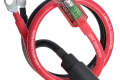
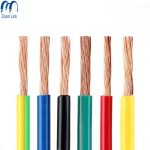
📷 Photo by kolorapus.en.made-in-china.com
Additionally, consider the environment. If the wire is running through a hot engine bay or an unventilated battery compartment, the ambient temperature will reduce the wire’s ampacity. In these cases, you should always “upsize” your wire by one gauge to compensate for the lack of cooling.
Frequently Asked Questions
Q: Can I use aluminum wire to save money on a 100 Amp DC circuit?
A: Yes, but you must use a larger gauge than copper to achieve the same conductivity, and you must use specialized anti-oxidant paste and connectors specifically rated for aluminum to prevent corrosion and dangerous hot spots.
Q: Is there any benefit to using wire that is larger than required?
A: Absolutely. Using a larger gauge than the minimum requirement further reduces voltage drop and minimizes heat generation, which improves the overall efficiency and longevity of your entire electrical system.
Q: Does the type of insulation matter for DC circuits?
A: Yes, ensure your wire is rated for the environment. For example, if the wire will be exposed to oil, fuel, or moisture, choose an insulation type like THHN or marine-grade tinned copper, which resists corrosion in harsh conditions.
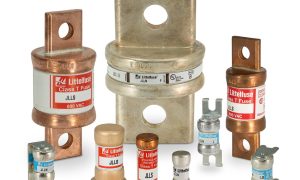
Always prioritize safety by using fuses or circuit breakers rated for the wire’s ampacity. A 100 Amp circuit should be protected by a fuse that is sized to protect the wire itself, ensuring that if a fault occurs, the power is cut before the wire becomes a hazard. When in doubt, always step up to the next larger wire size; the extra cost is a small price to pay for peace of mind and system reliability.
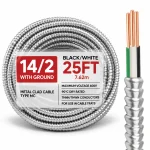
📷 Photo by zmlcable.en.made-in-china.com