



Vanonpower.com – Calculating voltage drop in 12-volt off-grid circuits requires multiplying the circuit current by the total wire resistance, ensuring the resulting loss remains under 3% for sensitive equipment or 5% for general lighting to prevent performance degradation.
In low-voltage systems like 12V off-grid setups, voltage drop is a critical factor that often goes overlooked. Because the system operates at a low pressure, even a small amount of resistance in your wiring can lead to a significant percentage of power loss. Unlike 120V or 240V systems where a 1-volt drop is negligible, a 1-volt drop in a 12V system represents an 8.3% loss in efficiency, which can cause lights to dim, inverters to shut down prematurely, or batteries to charge inefficiently.
Understanding the Physics of Voltage Drop
Voltage drop occurs because every wire has a specific amount of internal resistance based on its material, diameter (gauge), and length. When current (amperage) flows through this wire, some of the electrical energy is converted into heat. This heat represents the lost voltage. Ohm’s Law dictates that Voltage Drop equals Current multiplied by Resistance (V = I x R). In an off-grid environment, your goal is to minimize this resistance by selecting the correct wire size for the specific distance the power must travel.
Key Factors Influencing Voltage Drop
Several variables interact to dictate how much voltage is lost in your circuit. First, the total length of the wire is the most significant factor; remember that you must account for both the positive and negative legs of the circuit. If your solar panel is 20 feet away from your battery bank, the electricity must travel 20 feet out and 20 feet back, making the total circuit length 40 feet.
Second, wire gauge is the primary way to mitigate loss. In the AWG (American Wire Gauge) system, a lower number indicates a thicker wire. Thicker wires have more copper cross-sectional area, which provides a path of least resistance for the electrons. Finally, the current draw of your appliance determines the load on the wire. A high-wattage device, such as a water pump or a powerful inverter, will draw more amps, thereby increasing the voltage drop across the same length of wire compared to a small LED light.
Common Voltage Drop Thresholds
When planning your system, it is standard practice to adhere to specific percentage limits to ensure your appliances function correctly. Use the following table to understand the recommended limits for different types of off-grid applications.
| Application Type | Recommended Max Voltage Drop | Typical Use Case |
|---|---|---|
| Critical/Sensitive | 2% | Battery chargers, medical devices, sensitive electronics |
| General Lighting | 3% | LED lighting circuits, interior cabin lights |
| General Purpose | 5% | DC water pumps, fans, basic appliances |
Practical Steps to Calculate Voltage Drop
Follow this systematic approach to determine if your current wire selection is adequate for your specific off-grid installation. You will need to know the wire length, the current in amps, and the resistance per foot of your chosen wire gauge.
- Identify the total circuit length in feet (distance from source to load and back to source).
- Determine the maximum current (amps) that the appliance will draw.
- Consult a wire resistance chart to find the resistance in Ohms per foot for your specific wire gauge.
- Multiply the total length by the resistance per foot to find the total circuit resistance.
- Multiply the total circuit resistance by the current (amps) to find the total voltage drop.
- Divide the voltage drop by 12 (your system voltage) and multiply by 100 to get the percentage of voltage drop.
Risks of Ignoring Voltage Drop
Failing to account for voltage drop is a common mistake that leads to “ghost” problems in off-grid systems. For instance, you might find that your batteries are fully charged, but your inverter keeps triggering a low-voltage alarm. This happens because the inverter senses the voltage at its terminals, not at the battery. If the wire is too thin, the voltage at the inverter drops below the safety threshold under load, even though the battery is healthy.
Additionally, heat buildup is a major safety concern. If a wire is undersized for the current it carries, it will get warm to the touch. Over time, this heat can degrade the wire insulation, leading to brittle wiring, short circuits, or even fire hazards. Always prioritize safety by opting for a slightly thicker wire than the minimum calculation suggests, especially in environments with high ambient temperatures.
Tips for Off-Grid Wiring Success
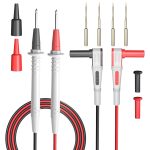
📷 Photo by shopee.com.my
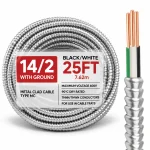
📷 Photo by wish.com
Always use stranded copper wire for mobile or vibration-prone off-grid systems, as solid wire can break over time. Ensure all connections are tight and free of corrosion, as oxidized terminals create high-resistance points that exacerbate voltage drop. If you find your calculated voltage drop is too high, you have three practical options: shorten the wire run, increase the wire gauge (thicker wire), or reduce the current draw by splitting the load into multiple circuits.
FAQ
Q: Does the material of the wire affect voltage drop?
A: Yes. Pure copper is the standard for high-performance off-grid systems. Aluminum wire has higher resistance than copper, meaning you would need a thicker aluminum wire to achieve the same voltage drop performance as a thinner copper wire.
Q: Is it ever okay to exceed a 5% voltage drop?
A: It is generally discouraged. While some non-sensitive devices like simple resistive heaters might function with a higher drop, exceeding 5% usually results in wasted energy, heat, and inefficient operation that will shorten the lifespan of your DC components.
Q: Should I calculate voltage drop based on average or peak current?
A: Always calculate based on the maximum (peak) current that the device will draw. If you design for average current, the voltage drop will spike during peak usage, potentially causing your equipment to shut down or malfunction when you need it most.
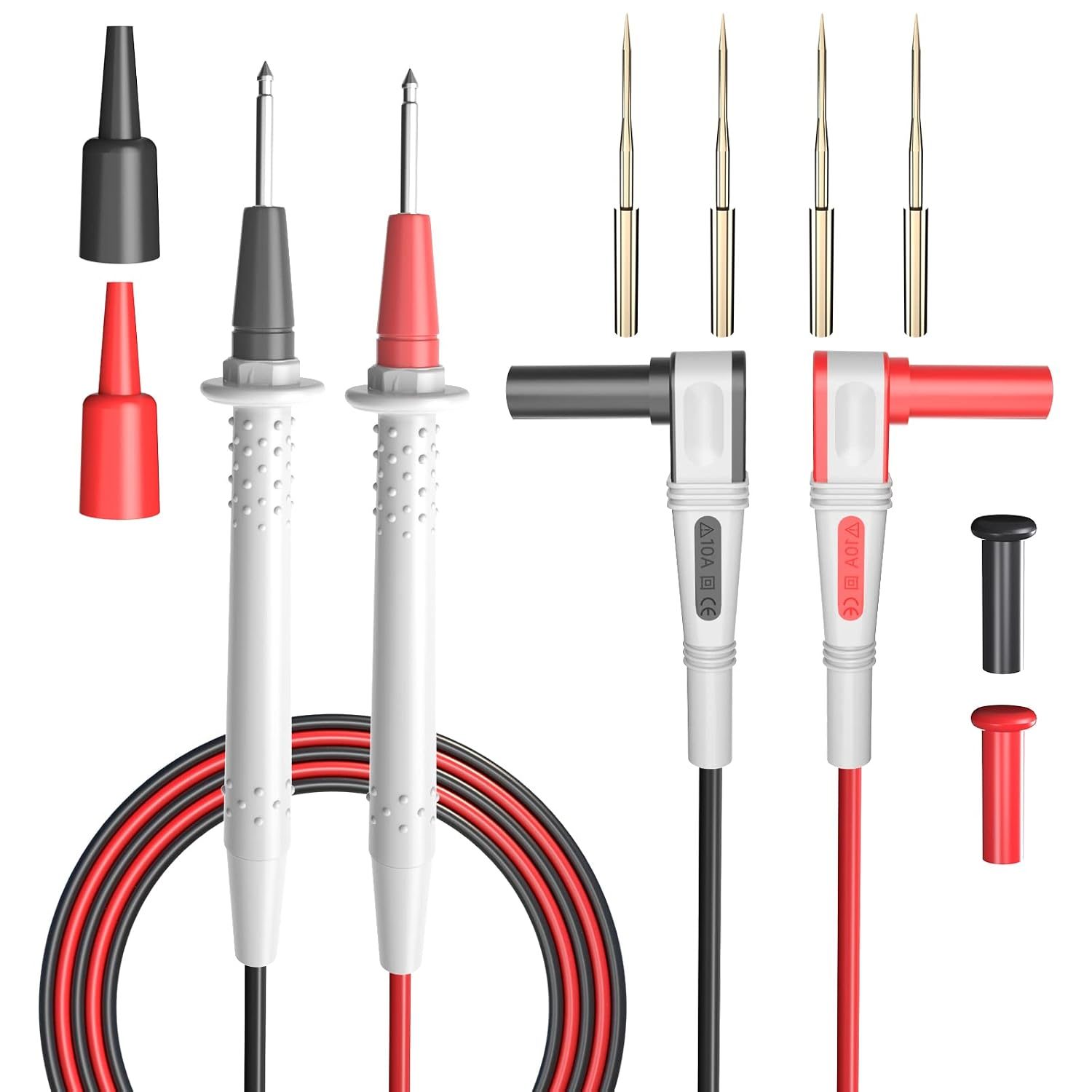
📷 Photo by amazon.ca