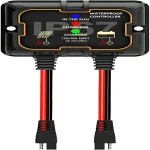


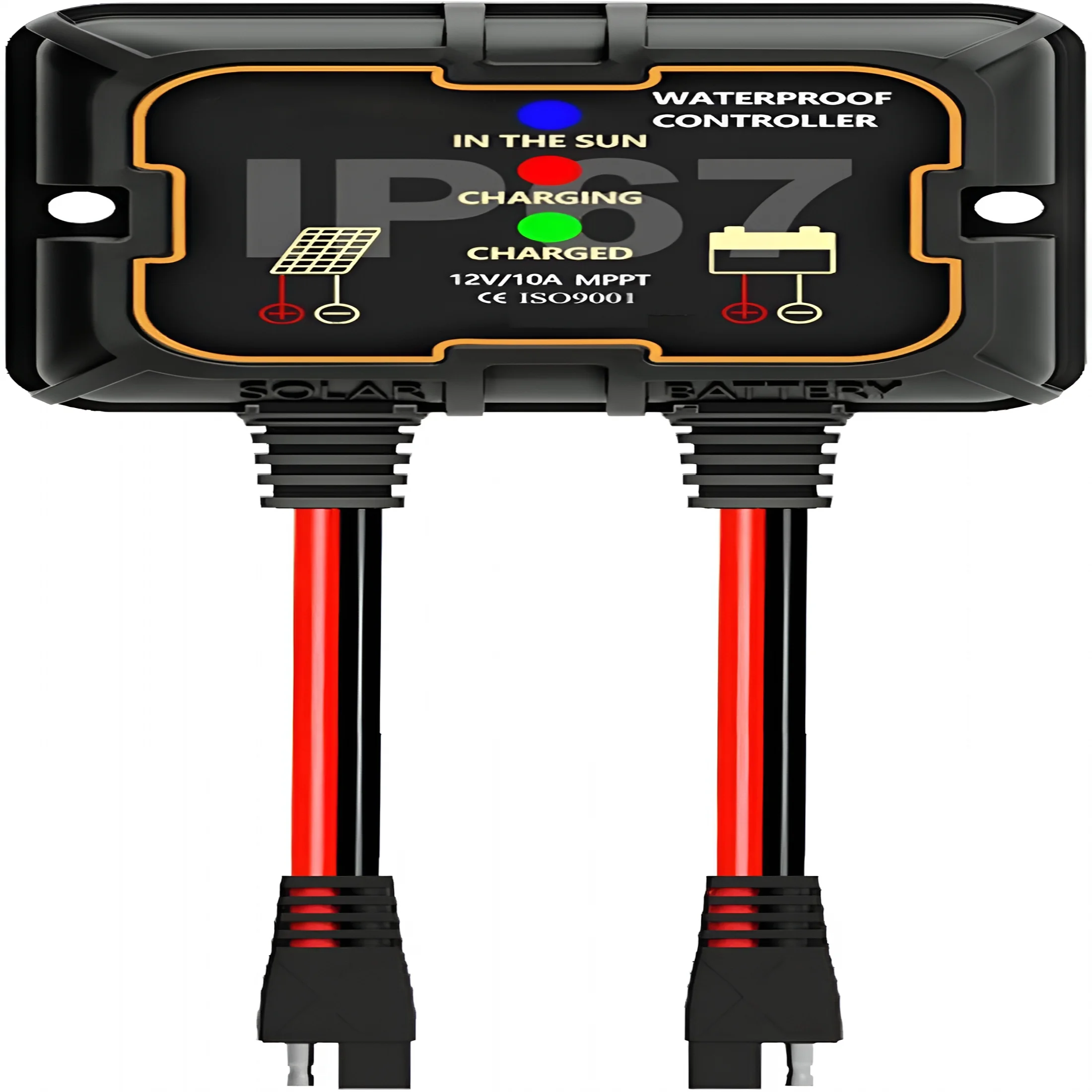
Vanonpower.com – Exceeding the maximum open-circuit voltage (Voc) rating of a solar charge controller will almost certainly cause permanent damage to its internal electronic components, leading to immediate system failure or a critical safety hazard like fire. The controller’s internal semiconductors, specifically the MOSFETs, will experience dielectric breakdown when exposed to voltage levels beyond their design threshold.
The Mechanics of Voltage Overload
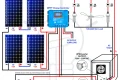
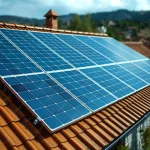
Solar panels generate electricity based on sunlight intensity and temperature. The Open-Circuit Voltage (Voc) is the maximum voltage a panel can produce when no current is flowing. Charge controllers are designed with a strict maximum input voltage limit to protect the circuitry from surges. When the voltage from your solar array exceeds this limit, the controller loses its ability to regulate the flow of power, resulting in catastrophic hardware failure.
Most modern MPPT (Maximum Power Point Tracking) controllers have internal capacitors and switching transistors rated for specific voltages. If your array delivers even a few volts over the rated limit, the insulation within these components can break down. This often manifests as a “popping” sound, a burnt electronic smell, or smoke emanating from the unit. Once the internal circuitry is fried, the controller will stop charging the battery bank entirely, rendering the entire solar system useless until the unit is replaced.
Why Temperature Matters
A common mistake among DIY solar installers is calculating Voc based on standard test conditions at 25 degrees Celsius. However, solar panels behave differently in cold weather. As temperatures drop, the voltage output of solar panels increases significantly. If you calculate your string voltage based on a mild day, a cold morning could push your voltage into the danger zone, exceeding the controller’s maximum Voc and destroying the device.
Comparison of Controller Responses to Voltage
| Condition | Impact on PWM Controller | Impact on MPPT Controller |
|---|---|---|
| Voltage within spec | Stable charging | Optimal power conversion |
| Slightly over Voc | Possible erratic behavior | Internal component burnout |
| Significantly over Voc | Immediate unit destruction | Immediate unit destruction |
Steps to Safely Calculate Your Solar Array Voltage
To prevent damaging your controller, you must account for the coldest temperature your location typically experiences. Use the following steps to ensure your array remains within safe operating limits:
- Locate the “Voc” (Open-Circuit Voltage) value on the back label of your solar panel.
- Find the “Temperature Coefficient of Voc” on the panel’s datasheet, usually expressed as a percentage per degree Celsius.
- Determine the lowest historical temperature for your specific geographic region.
- Calculate the voltage increase by multiplying the temperature difference from 25 degrees Celsius by the temperature coefficient.
- Multiply the number of panels in your series string by this adjusted voltage to ensure the total is lower than the charge controller’s maximum Voc rating.
Common Risks and Warning Signs
Beyond simple hardware failure, exceeding the Voc rating poses a fire risk. When transistors fail due to overvoltage, they often fail in a “shorted” state. This can allow the full, unregulated voltage of the solar array to reach the battery bank. Batteries are sensitive to voltage levels; subjecting them to an uncontrolled high-voltage surge can lead to overheating, electrolyte boiling, or even thermal runaway in lithium-based batteries.
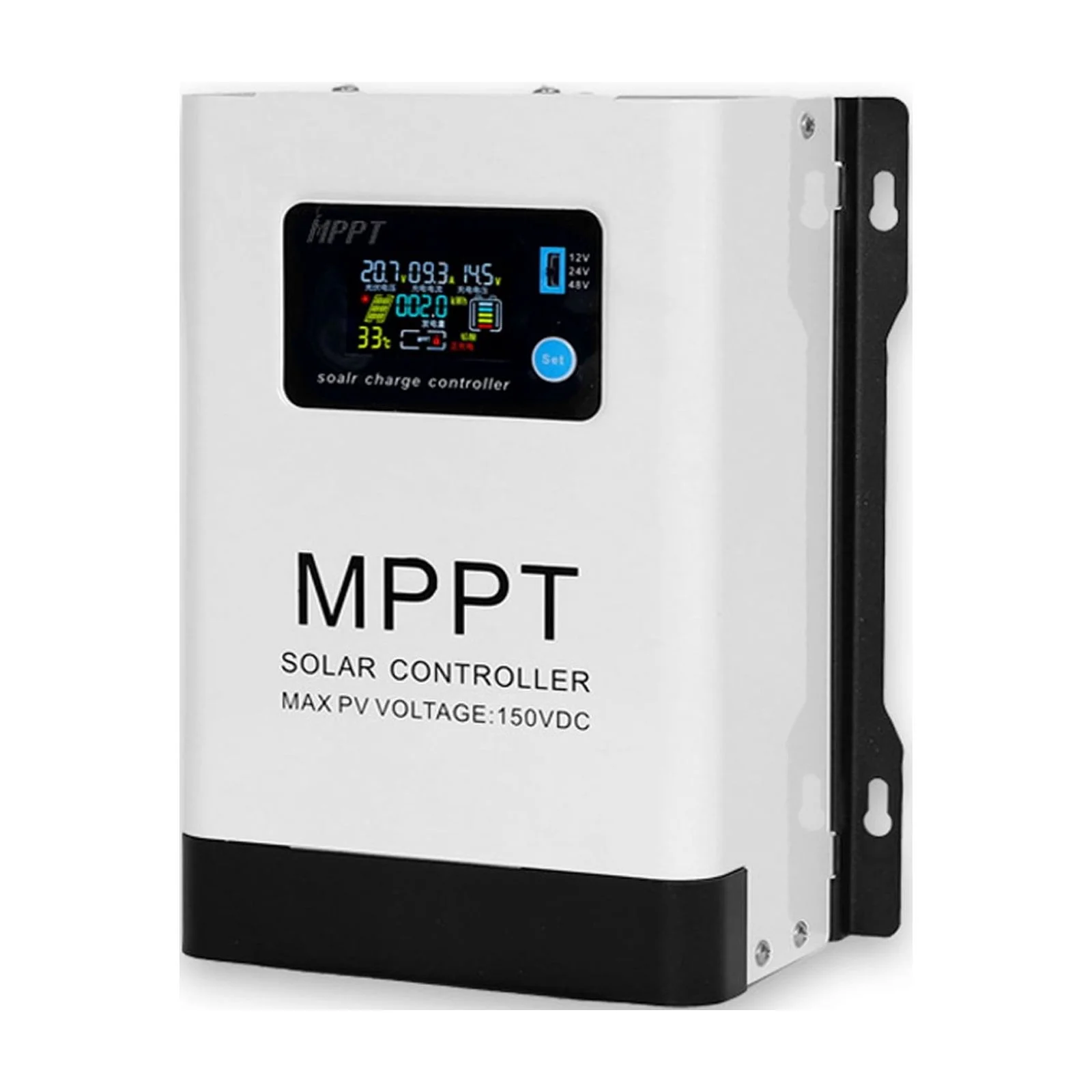
📷 Photo by walmart.com
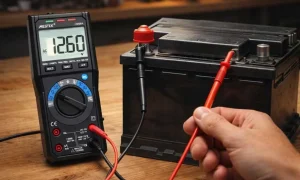
Telltale signs that you have exceeded your controller’s limits include the unit displaying an error code related to “High Voltage,” the screen going completely blank despite the array being in the sun, or a complete lack of charging current when measured with a multimeter. If your controller feels physically hot to the touch even when not under heavy load, it may have already suffered internal damage.
Mitigation Strategies
If you discover that your current solar array configuration exceeds your controller’s Voc rating, you have two primary options. First, you can change the wiring configuration from series to parallel. Wiring panels in parallel keeps the voltage constant at the level of a single panel while increasing the current. However, you must ensure that your controller can handle the higher amperage and that your wire gauges are thick enough to carry the increased current without overheating.
Alternatively, if your system design requires a series configuration for efficiency, you must upgrade your charge controller to a model with a higher Voc rating. Many high-voltage MPPT controllers are designed to handle 150V, 250V, or even higher, which allows for larger series strings and smaller, more cost-effective cabling.
Frequently Asked Questions
Q: Will a fuse protect my charge controller from high voltage?
A: No. Fuses and circuit breakers are designed to protect against over-current (amperage). They do not react to voltage spikes, meaning they will not prevent the internal electronics of your controller from failing if the voltage threshold is crossed.
Q: Does the warranty cover damage from high voltage?
A: Almost never. Manufacturers consider exceeding the maximum input voltage as “user error” or “improper installation.” Most controllers have internal data logs that record the highest voltage received, allowing the manufacturer to easily identify if the unit was subjected to over-voltage.
Q: Can I use a voltage regulator before the charge controller?
A: It is not recommended. Adding external components increases the points of failure and reduces system efficiency. It is always better to design the solar array configuration to match the controller’s specifications rather than trying to “fix” an incompatible voltage through external hardware.
Conclusion
Protecting your charge controller starts with precise planning. Always treat the manufacturer’s maximum Voc rating as an absolute ceiling, not a suggestion. By accounting for cold-weather voltage spikes and ensuring your series string calculations are accurate, you protect your investment and ensure the longevity of your renewable energy system. If you are ever in doubt about your voltage calculations, it is always safer to opt for a controller with a higher voltage capacity or to reduce the number of panels in your series string.
📷 Photo by walmart.com