



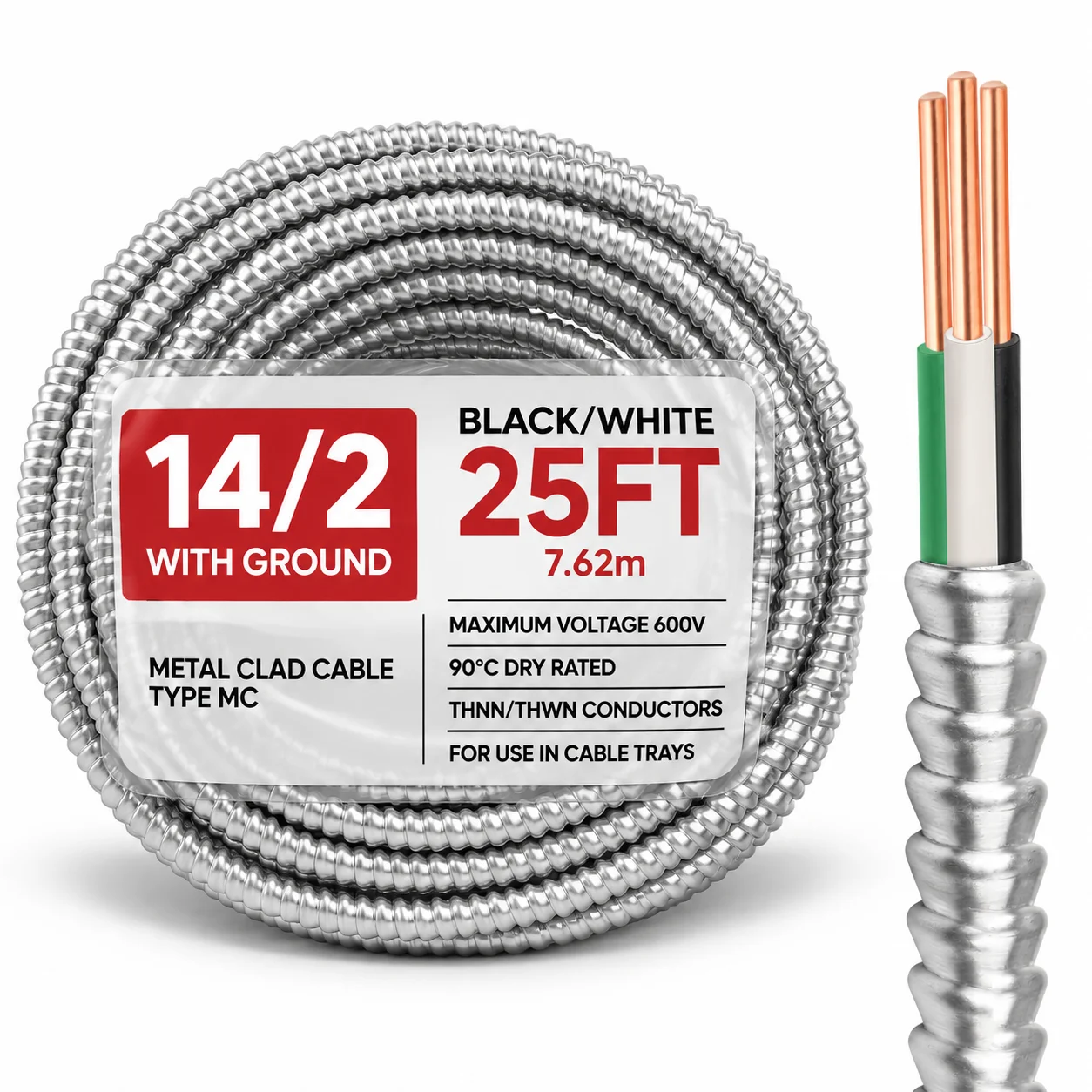
Vanonpower.com – Choosing the correct wire gauge for a 12V DC system requires balancing the total current draw in Amps against the physical length of the wire run to minimize voltage drop to below 3 percent. Using an undersized wire increases resistance, which leads to heat buildup, potential fire hazards, and equipment malfunction due to insufficient voltage delivery.
Understanding Voltage Drop in 12V Systems
In low-voltage DC systems, voltage drop is the primary enemy. Unlike AC power, which travels at higher voltages and experiences less relative loss, 12V systems are highly sensitive to resistance. Even a small increase in wire length or a slight reduction in wire diameter can cause the voltage at the end of the line to drop below the threshold required for your device to operate correctly. This is particularly critical for sensitive electronics, LED lighting, and high-draw appliances like water pumps or refrigerators.
Voltage drop is calculated based on the resistivity of copper, the length of the wire (both positive and negative paths), and the current flowing through it. If your wire is too thin, the energy is dissipated as heat rather than reaching your appliance. Over time, this heat can degrade wire insulation, leading to short circuits or electrical fires.
Key Factors Influencing Wire Selection
To determine the appropriate American Wire Gauge (AWG), you must identify two non-negotiable variables: the total current (Amperage) of the load and the round-trip distance. The round-trip distance is the total length of the wire from the battery to the appliance and back to the negative terminal. Neglecting the return path distance is the most common error beginners make, resulting in a wire that is effectively half the size it needs to be.
You must also consider the environment. Wires running through hot engine bays or enclosed spaces without airflow require higher temperature ratings and potentially thicker insulation. Vibration is another factor; in mobile applications like RVs or boats, stranded wire is mandatory because solid core wire will eventually fatigue and snap under constant movement.
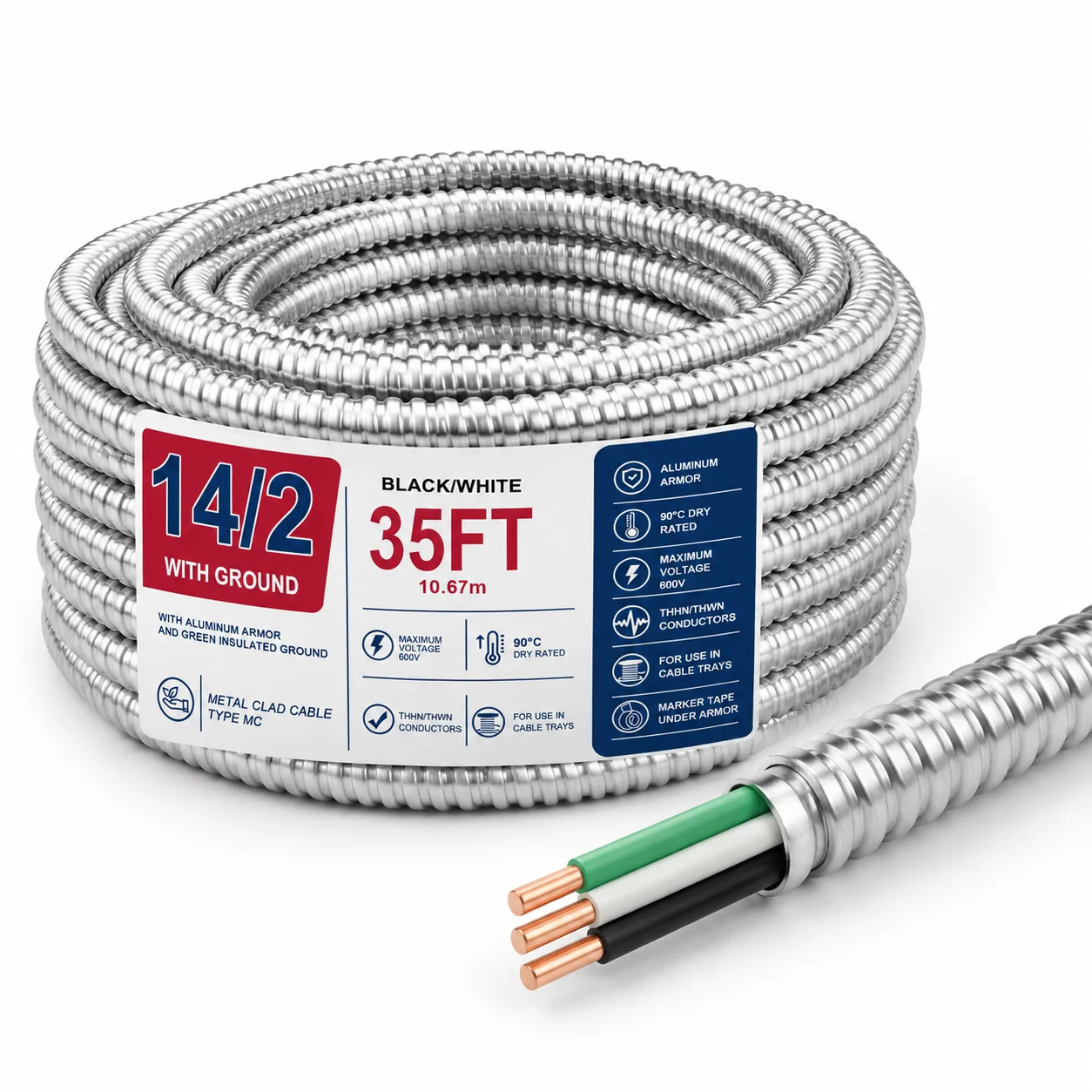
📷 Photo by walmart.com
Standard Wire Gauge Capacity Reference
The following table provides a general guideline for wire sizing based on a standard 3 percent voltage drop threshold for 12V DC systems. Always verify with your specific device manufacturer’s requirements.
| Wire Gauge (AWG) | Max Amps (Up to 10ft) | Max Amps (10ft – 20ft) | Typical Application |
|---|---|---|---|
| 16 AWG | 10A | 5A | LED lights, small sensors |
| 14 AWG | 15A | 7A | Interior lighting, fans |
| 12 AWG | 20A | 10A | Water pumps, USB hubs |
| 10 AWG | 30A | 15A | Inverters, heavy appliances |
| 8 AWG | 40A | 20A | Battery interconnects |
Step-by-Step Guide to Sizing Your Wiring
Follow these steps to ensure your electrical circuit is safe and efficient:
- Determine the continuous current draw of your device in Amps. You can find this on the device label or by dividing the wattage by 12 (Watts / 12V = Amps).
- Measure the exact length of the cable path from the power source to the device and back to the source. If the distance is 10 feet one way, your round-trip distance is 20 feet.
- Identify the acceptable voltage drop. For most 12V DC electronics, a 3 percent drop is the industry standard for optimal performance.
- Consult an AWG calculation chart or calculator to find the intersection of your Amperage and total round-trip distance.
- Always round up to the next thicker gauge (lower AWG number) if you are between sizes to provide a safety margin for future expansion or unexpected surges.
Common Mistakes to Avoid
The most frequent error is ignoring the “round-trip” distance. If you have a 15-foot distance to your appliance, you must calculate for 30 feet of wire. Ignoring the return path will result in choosing a wire that is too thin, leading to significant performance issues. Another common mistake is failing to fuse the circuit at the source. The wire gauge must be large enough to handle the current that the fuse is rated for; otherwise, the wire will melt before the fuse blows.
Additionally, avoid using household AC wiring for DC projects. AC wires are often solid core and designed for different insulation standards. Stick to automotive-grade (GPT or SXL) stranded copper wire, which is designed to withstand the vibration and environmental stressors of DC power systems.
Frequently Asked Questions
Q: Does the length of the wire really matter if the device only draws 1 Amp?
A: Yes, though the impact is smaller at low Amperage. However, for long runs, even low-current devices will experience voltage drop, which can cause intermittent issues or failure in sensitive microcontrollers.
Q: Can I use a larger wire gauge than recommended?
A: Absolutely. Using a larger wire (lower AWG number) than necessary is always safer and more efficient because it reduces resistance, though it may be more expensive and physically harder to route through tight spaces.
Q: Is there a difference between copper-clad aluminum (CCA) and pure copper wire?
A: Yes, and you should avoid CCA for critical 12V systems. CCA has higher resistance than pure copper, meaning you would need a much thicker gauge to achieve the same performance, and it is prone to corrosion at connection points.
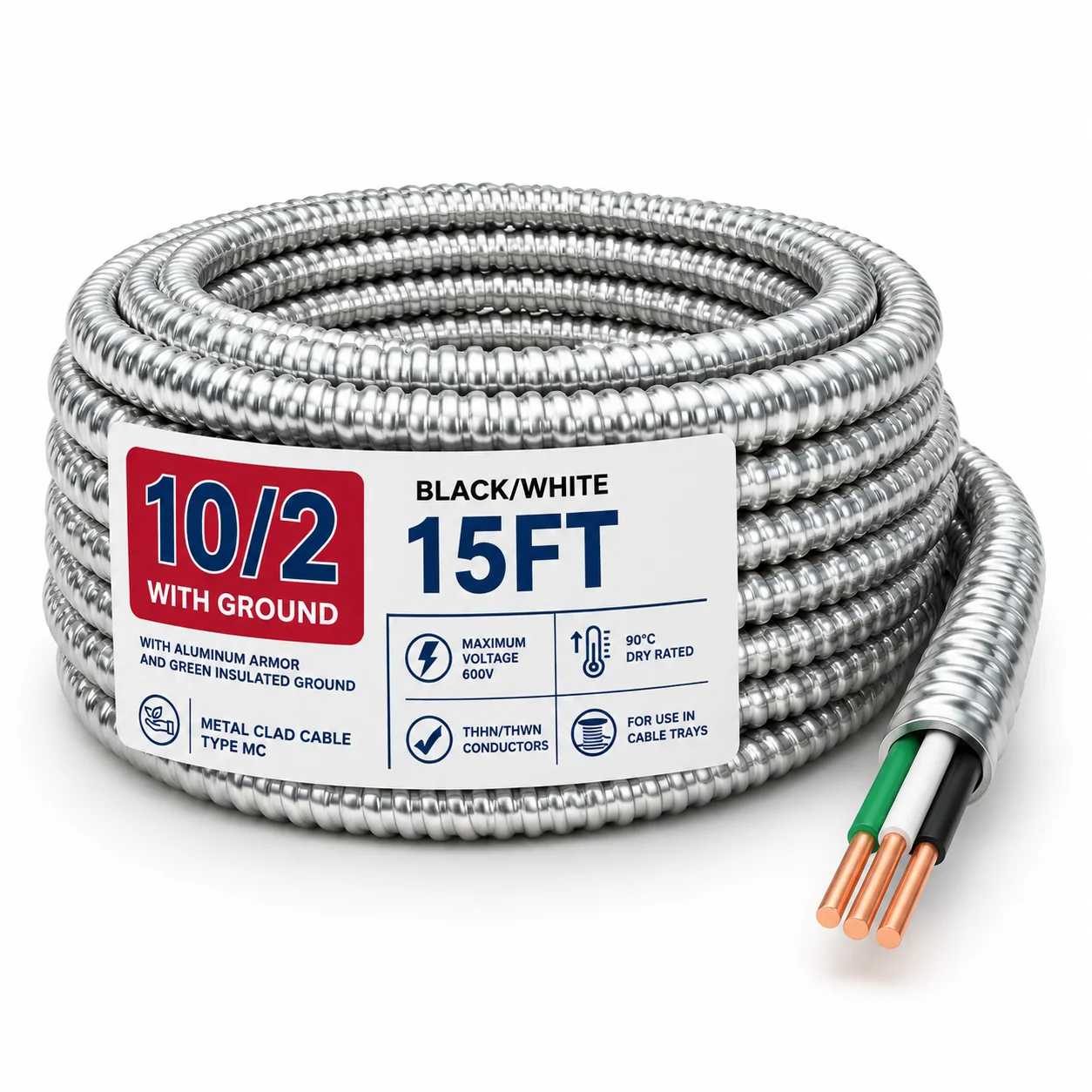
📷 Photo by walmart.com
Proper wire selection is the foundation of a reliable 12V system. By taking the time to calculate your loads and distances correctly, you prevent the common pitfalls of flickering lights, underperforming appliances, and dangerous overheating. When in doubt, choosing one size thicker than the calculated requirement provides peace of mind and better long-term performance for your electrical installation.
📷 Photo by walmart.com